Endometrial thickness is not a risk factor for hypertensive disorders of pregnancy after IVF treatment in women with male-factor infertility - Scorecard - MDSpire
Advertisement
Endometrial thickness is not a risk factor for hypertensive disorders of pregnancy after IVF treatment in women with male-factor infertility
Clinical Scorecard: Endometrial Thickness Does Not Contribute to the Risk of Hypertensive Disorders in Pregnancies Following IVF in Women with Male-Factor Infertility
At a Glance
Category
Detail
Condition
Hypertensive Disorders of Pregnancy (HDP)
Key Mechanisms
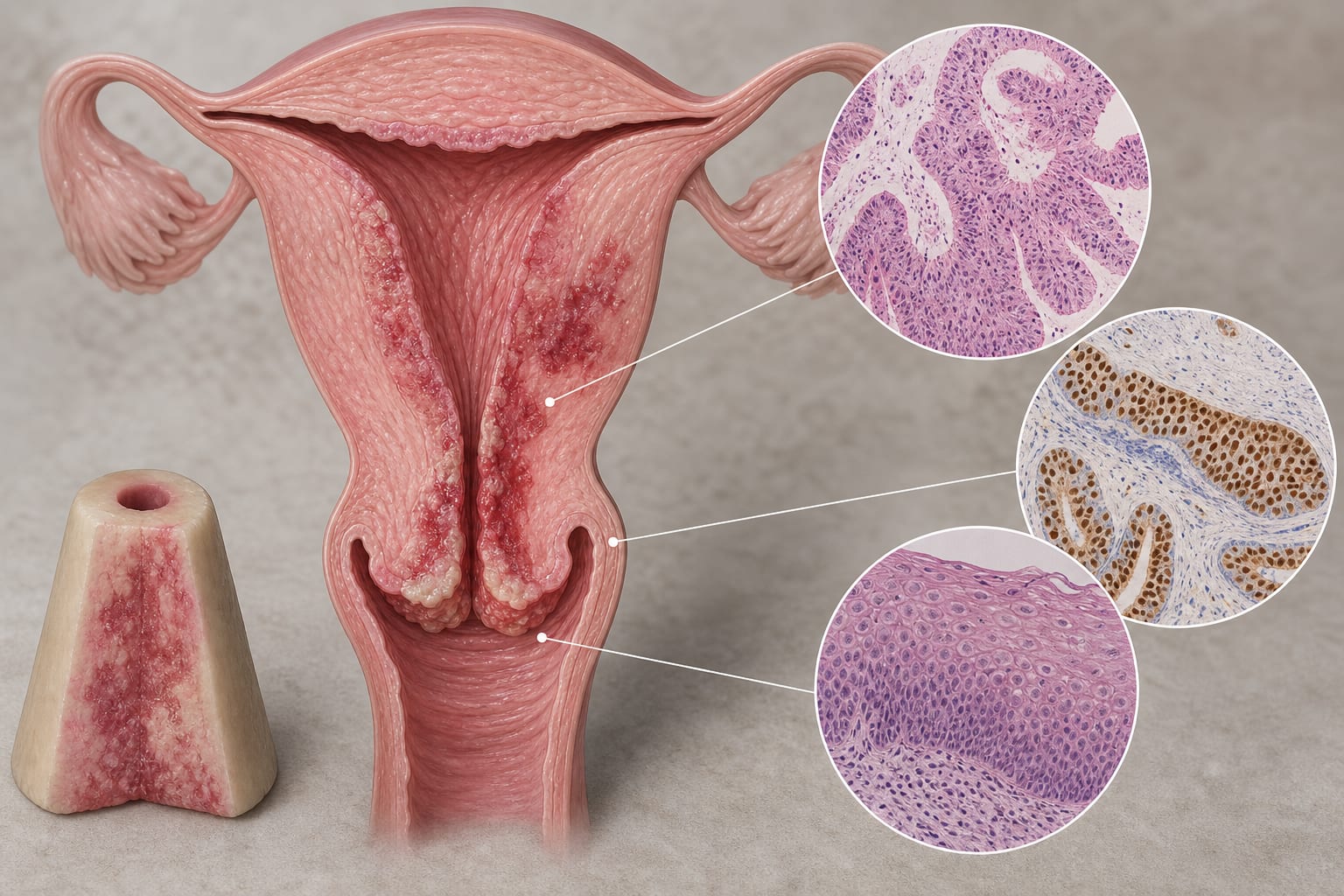
Endometrial thickness (EMT) measured via transvaginal ultrasound
Target Population
Women aged 20–40 years with male-factor infertility undergoing IVF
Care Setting
Retrospective cohort study in a hospital setting
Key Highlights
Overall HDP rate was 3.67% with no significant difference across EMT groups.
Older maternal age and higher BMI were significant risk factors for HDP.
EMT was not associated with HDP risk in this study.
Guideline-Based Recommendations
Diagnosis
Measure endometrial thickness on the day of embryo transfer.
Management
Monitor maternal age and BMI as significant risk factors for HDP.
Monitoring & Follow-up
Assess HDP incidence in pregnancies following IVF.
Risks
Older maternal age and BMI ≥ 24.0 Kg/m² increase HDP risk.
Patient & Prescribing Data
Women with male-factor infertility undergoing their first frozen-thawed embryo transfer.
Endometrial thickness does not influence the risk of HDP.
Clinical Best Practices
Utilize transvaginal ultrasound for accurate measurement of endometrial thickness.
Consider maternal age and BMI in risk assessments for HDP.