Clinical Scorecard: The Growing Importance of Cell-Free DNA in Systemic Lupus Erythematosus: Insights into Mechanisms and Potential Therapeutic Applications
At a Glance
Category
Detail
Condition
Systemic lupus erythematosus (SLE)
Key Mechanisms
Dysregulated immune responses to self-DNA and altered cfDNA characteristics promote immune activation.
Target Population
Predominantly women of childbearing age with SLE.
Care Setting
Clinical research and precision medicine.
Key Highlights
cfDNA serves as a biomarker of disease activity in SLE.
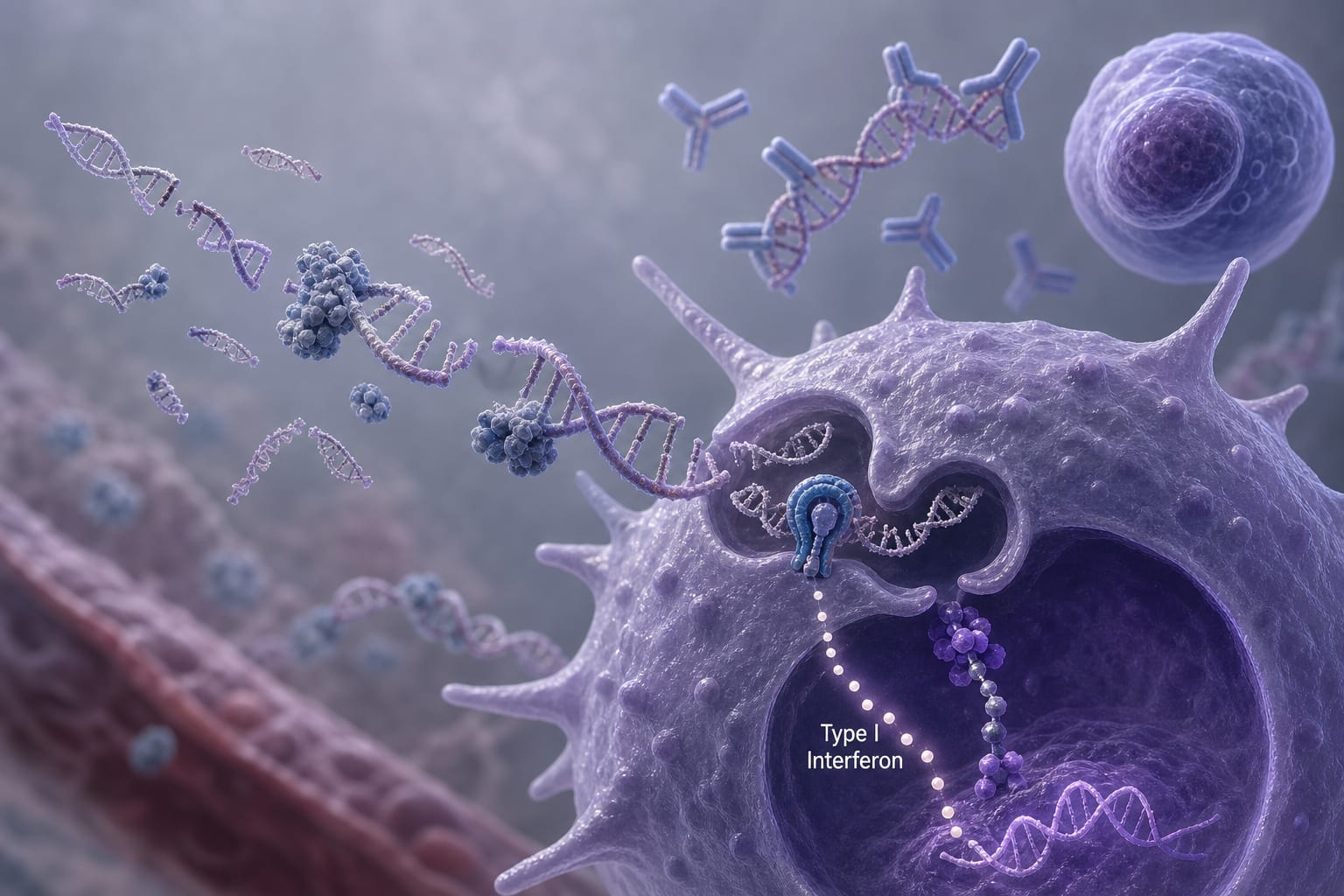
Deficiencies in DNASE1L3 lead to increased immunogenic potential of cfDNA.
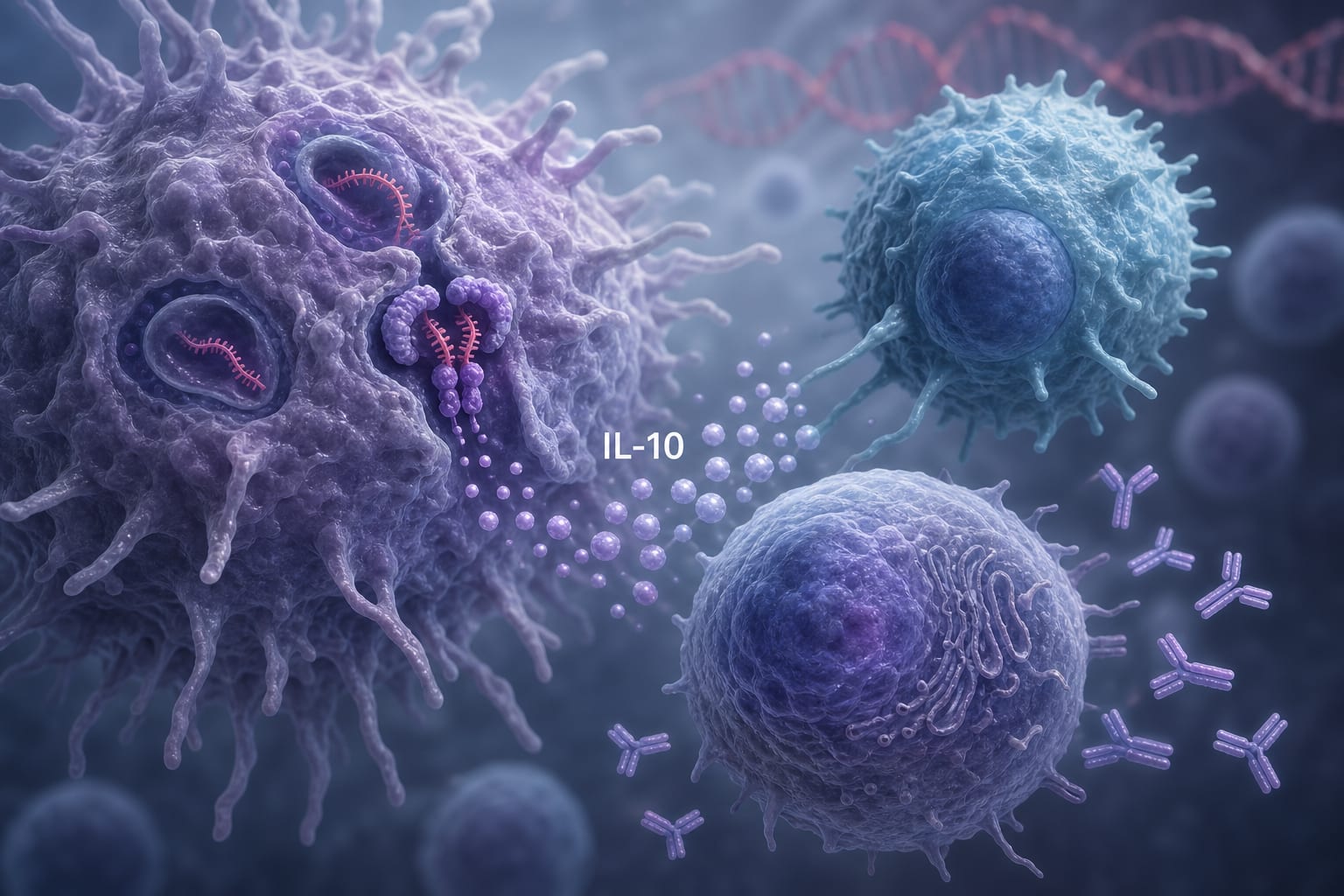
Aberrant cfDNA can trigger type I interferon responses and anti-dsDNA antibody production.
cfDNA fragmentation and epigenetic modifications are linked to SLE pathogenesis.
Standardization of cfDNA analysis is essential for clinical application.
Guideline-Based Recommendations
Diagnosis
Utilize SLE Disease Activity Index (SLEDAI) for assessing disease activity.
Management
Implement immunosuppressive and immunomodulatory therapies to manage inflammation.
Monitoring & Follow-up
Monitor cfDNA characteristics as potential biomarkers for disease activity.
Risks
Increased inflammation and tissue damage due to impaired clearance of cfDNA.
Patient & Prescribing Data
Patients with systemic lupus erythematosus, particularly those with monogenic forms.
Target therapies that address type I interferon signaling and pDC activation.
Clinical Best Practices
Incorporate cfDNA analysis into routine monitoring of SLE.
Consider genetic testing for DNASE1L3 variants in patients with monogenic SLE.
Focus on personalized treatment strategies based on cfDNA characteristics.