Familial, neuropathological and cellular analysis identify ARPP21 as a major amyotrophic lateral sclerosis associated gene in French cohorts - Scorecard - MDSpire
Coming Soon: Introducing MDSpire News. Learn more
Conexiant’s news site is now MDSpire News. Learn more

Identification of ARPP21 as a Key Gene Associated with Amyotrophic Lateral Sclerosis Through Familial, Neuropathological, and Cellular Investigations in French Populations

  • By

  • Sibylle de Bertier

  • Maria-Del-Mar Amador

  • Claire Guissart

  • Tomoko Miki

  • Séverine Boillée

  • Christian S. Lobsiger

  • Delphine Bohl

  • Anne-Laure Fauret-Amsellem

  • Adrien Bohic

  • Anna-Gaelle Giguet-Valard

  • Rémi Bellance

  • Katell Beauvais

  • Vincent Meininger

  • Gaelle Bruneteau

  • François Salachas

  • Christophe Vial

  • William Camu

  • Florence Esselin

  • Elisa de la Cruz

  • Emilien Bernard

  • Danielle Seilhean

  • Stéphanie Millecamps

  • September 4, 2026

Share

Clinical Scorecard: Identification of ARPP21 as a Key Gene Associated with Amyotrophic Lateral Sclerosis Through Familial, Neuropathological, and Cellular Investigations in French Populations

At a Glance

CategoryDetail
ConditionAmyotrophic Lateral Sclerosis (ALS)
Key MechanismsDegeneration of upper and lower motor neurons leading to paralysis and respiratory failure.
Target PopulationPatients with familial and sporadic ALS, particularly those without pathogenic variants in principal ALS genes.
Care SettingGenetic and neuropathological analysis in clinical research settings.

Key Highlights

  • Approximately 90% of ALS cases are sporadic (sALS) and 10% are familial (fALS).
  • ARPP21 variant c.1586C>T, p.Pro529Leu identified as a significant genetic contributor to ALS.
  • Whole-exome sequencing (WES) used to analyze large ALS cohorts for genetic variants.
  • Variants in ARPP21 may interact with other ALS-associated genes like GLT8D1.
  • Study involved 1190 French ALS patients with comprehensive genetic analysis.

Guideline-Based Recommendations

Diagnosis

  • Diagnosis based on clinical criteria for ALS.

Management

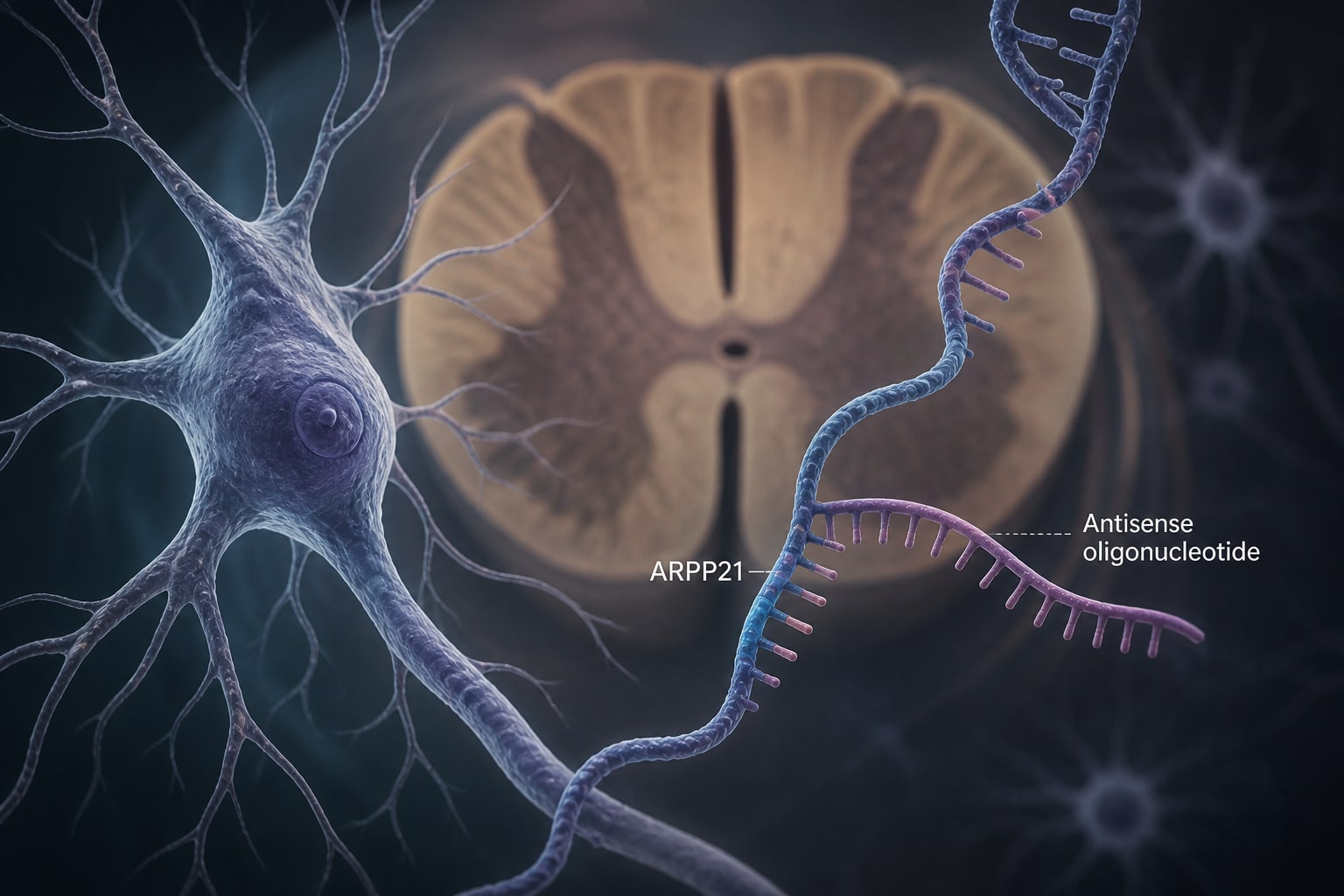
  • Targeted antisense oligonucleotide treatments for specific genetic variants.

Monitoring & Follow-up

  • Genetic variant analysis and clinical follow-up for ALS patients.

Risks

  • Potential for toxic protein accumulation in ALS due to genetic variants.

Patient & Prescribing Data

French ALS patients, including both familial and sporadic cases.

Antisense oligonucleotide treatments may be proposed for patients with pathogenic variants.

Clinical Best Practices

  • Utilize whole-exome sequencing for genetic analysis in ALS patients.
  • Conduct thorough familial and neuropathological assessments in ALS cases.
  • Ensure informed consent for genetic studies and autopsies.

Related Resources & Content

Original Source(s)

Related Content