Longitudinal Analysis of Reflux-Related Observations in the Distal Esophagus, Gastric Pouch, and Anastomotic Region at One and Three Years Post-One-Anastomosis Gastric Bypass: Assessing the Diagnostic Precision of Endoscopy Versus Biopsy - Scorecard - MDSpire
Conexiant’s news site is now MDSpire News. Learn more
Advertisement
Longitudinal Analysis of Reflux-Related Observations in the Distal Esophagus, Gastric Pouch, and Anastomotic Region at One and Three Years Post-One-Anastomosis Gastric Bypass: Assessing the Diagnostic Precision of Endoscopy Versus Biopsy
Clinical Scorecard: Longitudinal Analysis of Reflux-Related Observations in the Distal Esophagus, Gastric Pouch, and Anastomotic Region at One and Three Years Post-One-Anastomosis Gastric Bypass: Assessing the Diagnostic Precision of Endoscopy Versus Biopsy
At a Glance
Category
Detail
Condition
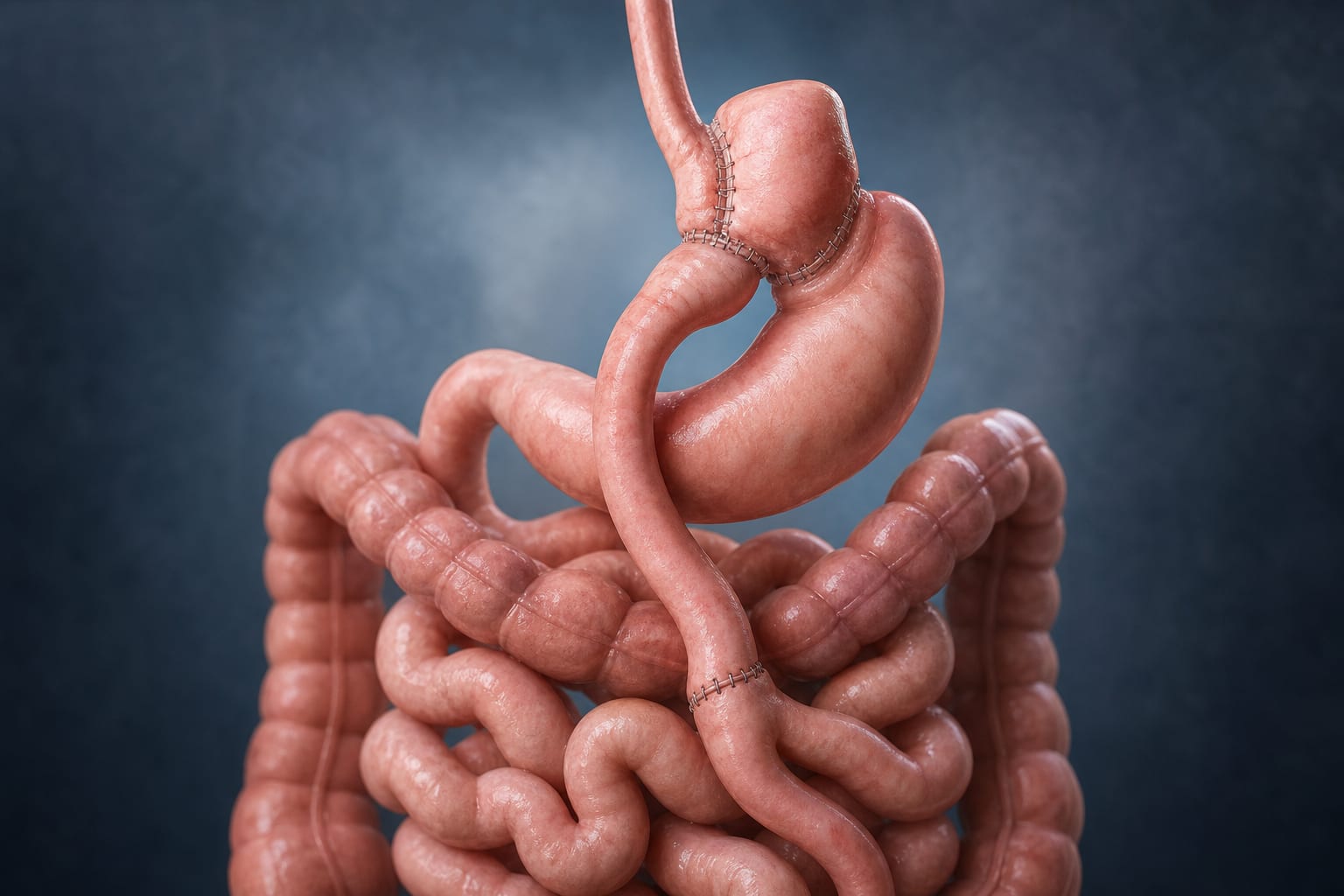
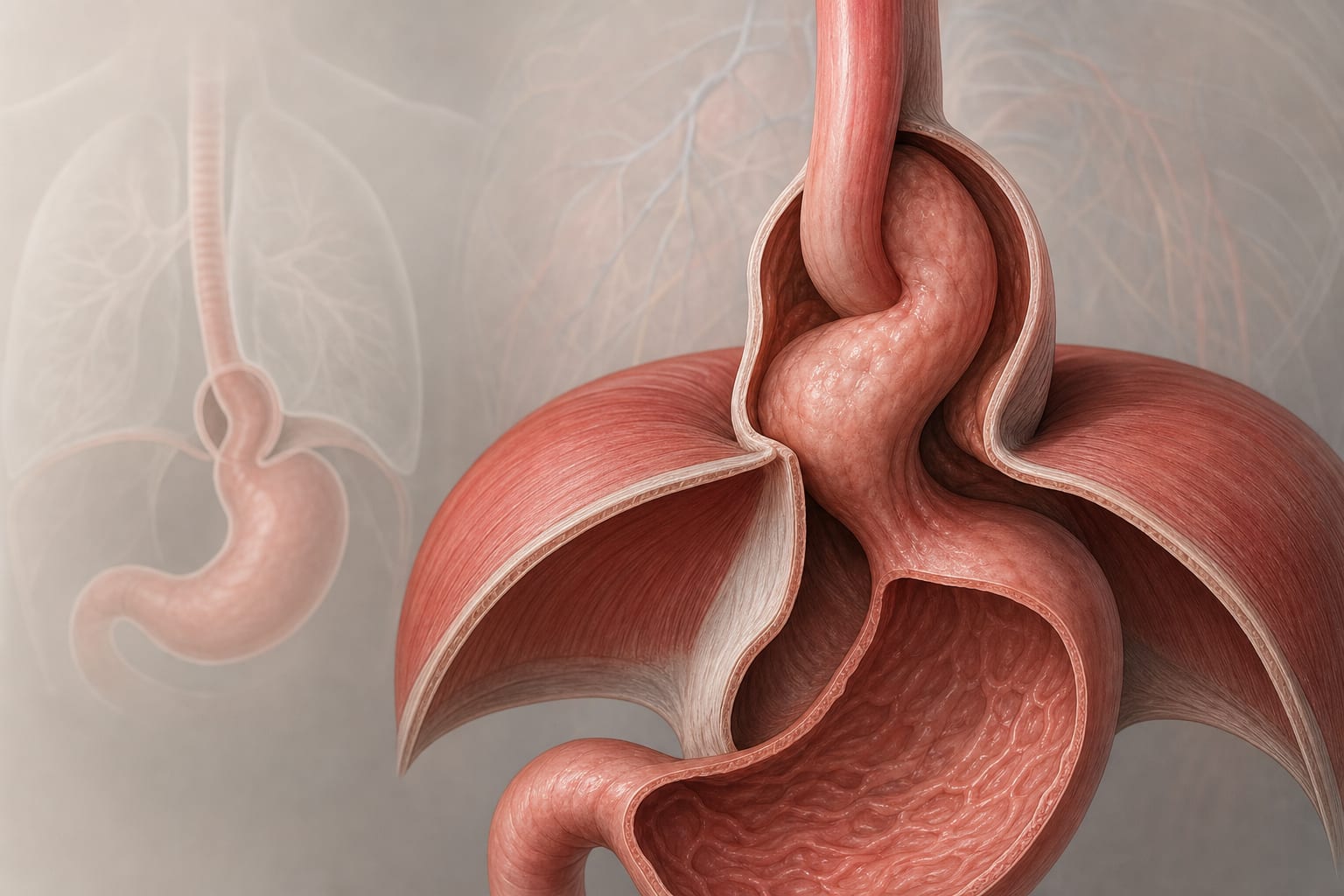
Postoperative reflux after one-anastomosis gastric bypass (OAGB)
Key Mechanisms
Assessment of reflux-related abnormalities using upper endoscopy (UE) and biopsy
Target Population
Adults with obesity undergoing primary OAGB
Care Setting
Postoperative follow-up in a bariatric surgical setting
Key Highlights
OAGB is the third most common metabolic and bariatric surgery procedure worldwide.
Postoperative reflux is reported in up to 70% of OAGB patients.
Upper endoscopy (UE) and biopsy are critical for diagnosing reflux-related conditions.
The study compares diagnostic accuracy of UE versus biopsy at one and three years post-surgery.
Concerns exist regarding the higher risk of reflux following OAGB compared to other bariatric procedures.
Guideline-Based Recommendations
Diagnosis
Utilize upper endoscopy (UE) and biopsy for confirming reflux-related abnormalities post-OAGB.
Management
Monitor patients for reflux symptoms and consider endoscopic evaluation as needed.
Monitoring & Follow-up
Conduct follow-up assessments at one and three years post-OAGB to evaluate reflux-related changes.
Risks
Be aware of the potential for increased reflux incidence after OAGB compared to other bariatric surgeries.
Patient & Prescribing Data
Adults with a BMI > 40 kg/m² or > 35 kg/m² with obesity-related conditions undergoing OAGB.
Preoperative evaluation should include upper endoscopy to exclude preexisting reflux conditions.
Clinical Best Practices
Ensure comprehensive preoperative assessments by a multidisciplinary team.
Educate patients on the importance of lifestyle modifications pre-surgery, including cessation of smoking and alcohol.