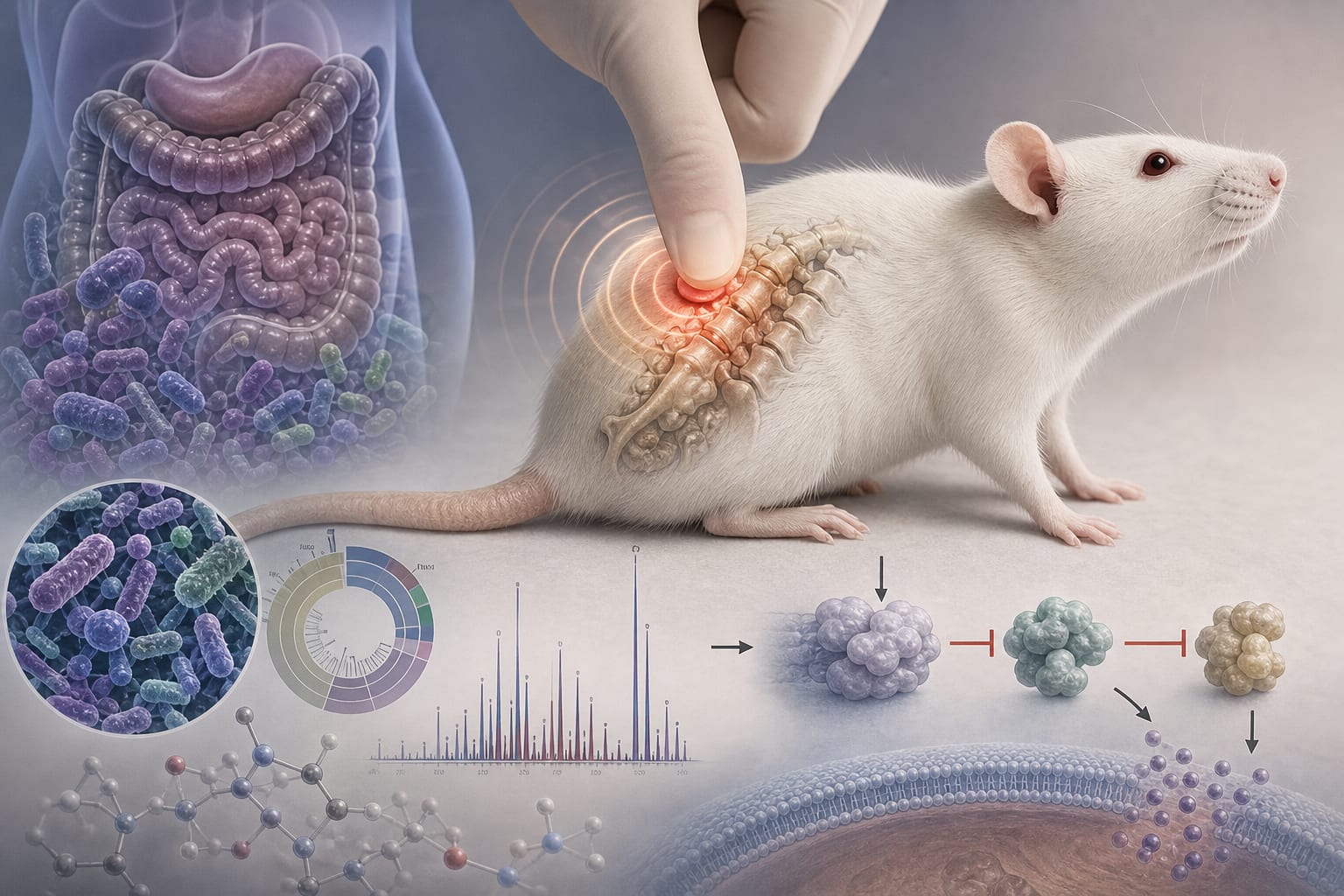
Osteoimmunological impacts of micro/nanoplastics: systemic translocation, inflammatory responses, and bone remodeling disruption
-
By
-
Jinzhu Fan
-
Jinmeng Li
-
Chao Hao
-
Yigeng Hui
-
July 14, 2026
Clinical Scorecard: Effects of Micro and Nanoplastics on Osteoimmunology: Systemic Movement, Inflammatory Reactions, and Disruption of Bone Remodeling
At a Glance
| Category | Detail |
|---|
| Condition | Micro and Nanoplastics Exposure |
| Key Mechanisms | Disruption of osteoimmunological homeostasis, oxidative stress, NF-κB signaling, NLRP3 inflammasome activation |
| Target Population | Pediatric and geriatric populations |
| Care Setting | Toxicological assessment and environmental health |
Key Highlights
- MNPs may accumulate in bone marrow and disrupt bone remodeling.
- Osteogenesis impairment and macrophage-associated osteoclastogenesis are observed.
- MNP exposure is linked to oxidative stress and inflammatory signaling pathways.
- Gut microbiota dysbiosis and endocrine disruption are potential mechanisms.
- Need for incorporating osteoimmunological endpoints in MNP risk assessment.
Guideline-Based Recommendations
Diagnosis
- Assess for MNP exposure through dietary intake and environmental contact.
Management
- Monitor bone health in populations at risk of MNP exposure.
Monitoring & Follow-up
- Evaluate systemic effects of MNPs on bone remodeling and immune function.
Risks
- Consider long-term impacts of MNP accumulation on skeletal health.
Patient & Prescribing Data
Individuals exposed to MNPs, particularly through diet and environmental sources.
Focus on managing inflammation and oxidative stress in affected populations.
Clinical Best Practices
- Incorporate assessment of MNP exposure in environmental health evaluations.
- Educate at-risk populations about potential sources of MNP exposure.
Related Resources & Content