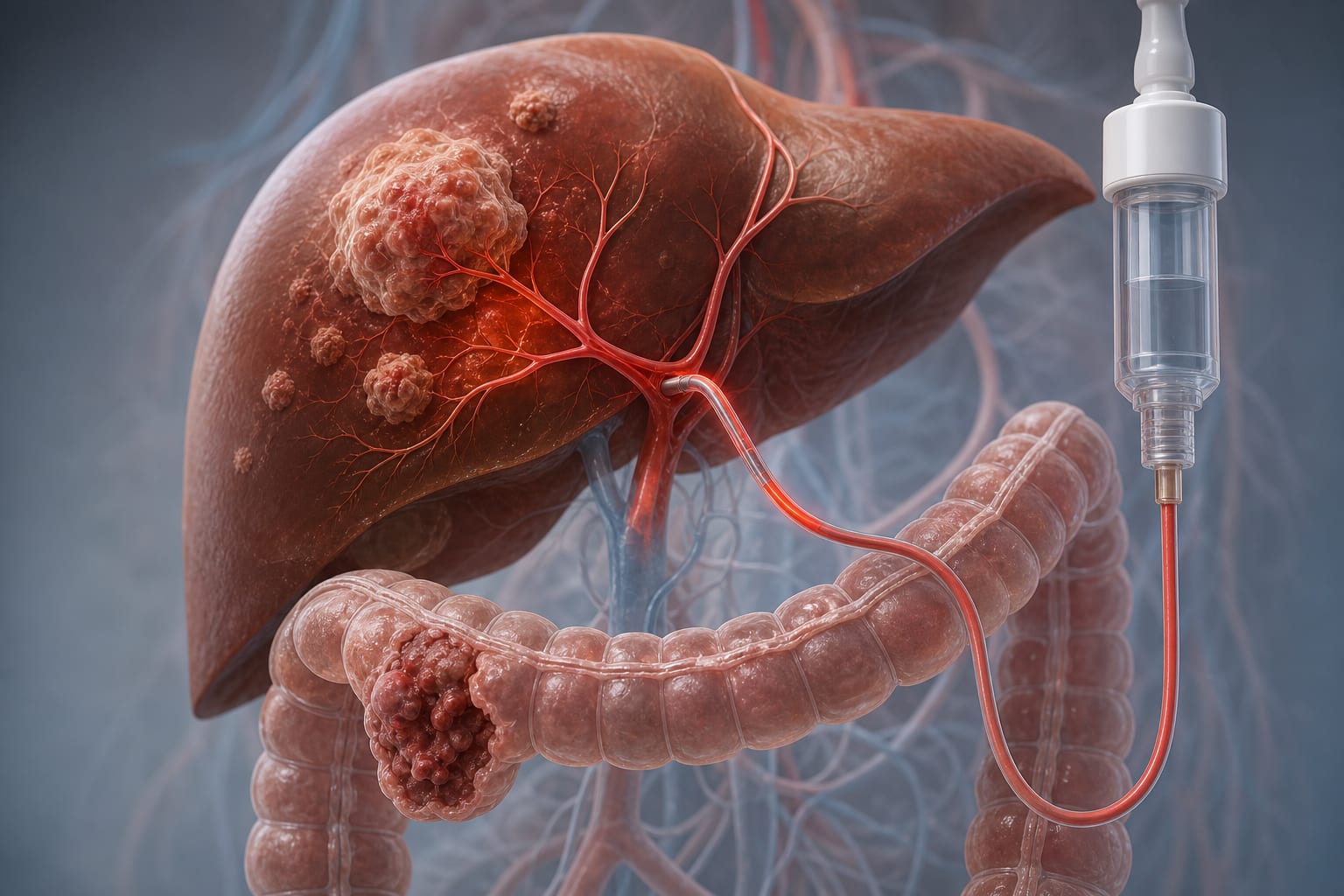
The predictive value of platelet parameters for the response to initial 131I therapy in patients with differentiated thyroid cancer
By
Xian Wang
Suyun Yang
June 19, 2026
Clinical Scorecard: Evaluating the Predictive Role of Platelet Metrics on Initial 131I Treatment Outcomes in Differentiated Thyroid Cancer Patients
At a Glance
Category Detail
Condition Differentiated Thyroid Cancer Key Mechanisms Platelet parameters may reflect tumor-associated inflammation and aggressive biological behavior, influencing treatment response. Target Population Patients with differentiated thyroid cancer undergoing initial 131I therapy. Care Setting Department of Nuclear Medicine in a tertiary hospital.
Key Highlights
MPV was independently and negatively associated with non-Excellent Response (ER). Optimal MPV cutoff value for predicting non-ER was determined to be 9.95 fL. ROC curve analysis showed MPV had a moderate predictive value for treatment response (AUC = 0.664). Age and pre-stimulated thyroglobulin (ps-Tg) influence the association between MPV and treatment response. Guideline-Based Recommendations
Diagnosis
Assessment of treatment response should follow the 2025 American Thyroid Association Guidelines. Management
Identify and predict patients with poor treatment response to optimize treatment strategies. Monitoring & Follow-up
Early assessment of treatment response is crucial for determining follow-up examinations. Risks
Overtreatment may lead to unnecessary radioactive iodine therapy and associated adverse reactions. Patient & Prescribing Data
365 patients with differentiated thyroid cancer.
Platelet metrics may serve as adjunctive tools for predicting treatment outcomes.
Clinical Best Practices
Utilize platelet parameters in conjunction with existing clinicopathological and biochemical indicators for treatment response assessment. Related Resources & Content