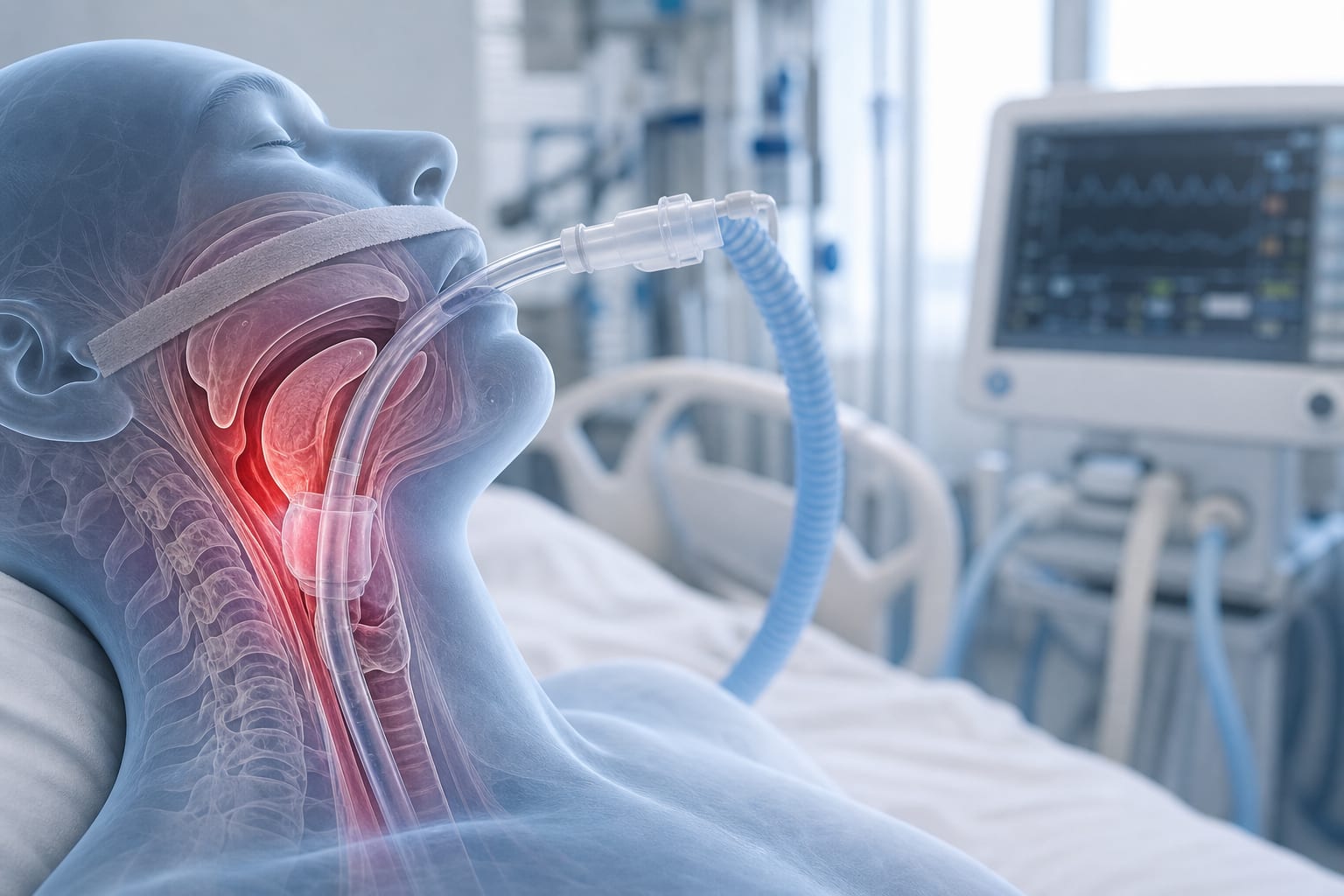
Real-time assessment of exercise rehabilitation and symptoms in hospitalized COPD patients
-
By
-
Rong Cheng
-
Hui Wu
-
Peiran Guo
-
Chuqin Xiong
-
Zhixia Zhang
-
June 18, 2026
-
Clinical Scorecard: Immediate Evaluation of Exercise Rehabilitation and Symptoms in Inpatients with COPD
At a Glance
| Category | Detail |
|---|
| Condition | Chronic Obstructive Pulmonary Disease (COPD) |
| Key Mechanisms | Dyspnea and irritability negatively impact exercise rehabilitation; self-efficacy positively influences rehabilitation behavior. |
| Target Population | Middle-aged patients with COPD (mean age = 50.91 years) |
| Care Setting | Inpatient hospital setting |
Key Highlights
- Active exercise rehabilitation behavior is closely related to symptoms of dyspnea and irritability.
- Self-efficacy buffers the negative impact of irritability on exercise rehabilitation.
- Only 26-30% of COPD patients meet WHO physical activity recommendations.
Guideline-Based Recommendations
Diagnosis
- Monitor symptoms of dyspnea and irritability in COPD patients.
Management
- Incorporate self-efficacy strategies into pulmonary rehabilitation programs.
Monitoring & Follow-up
- Use ecological momentary assessment (EMA) for real-time symptom and behavior tracking.
Risks
- High rates of exercise interruption (60.3%) during hospital-home transition.
Patient & Prescribing Data
Middle-aged patients with COPD
Active exercise rehabilitation is essential for improving physical function and quality of life.
Clinical Best Practices
- Implement dynamic management of clinical symptoms during rehabilitation.
- Encourage patient-driven exercise initiatives.
Related Resources & Content