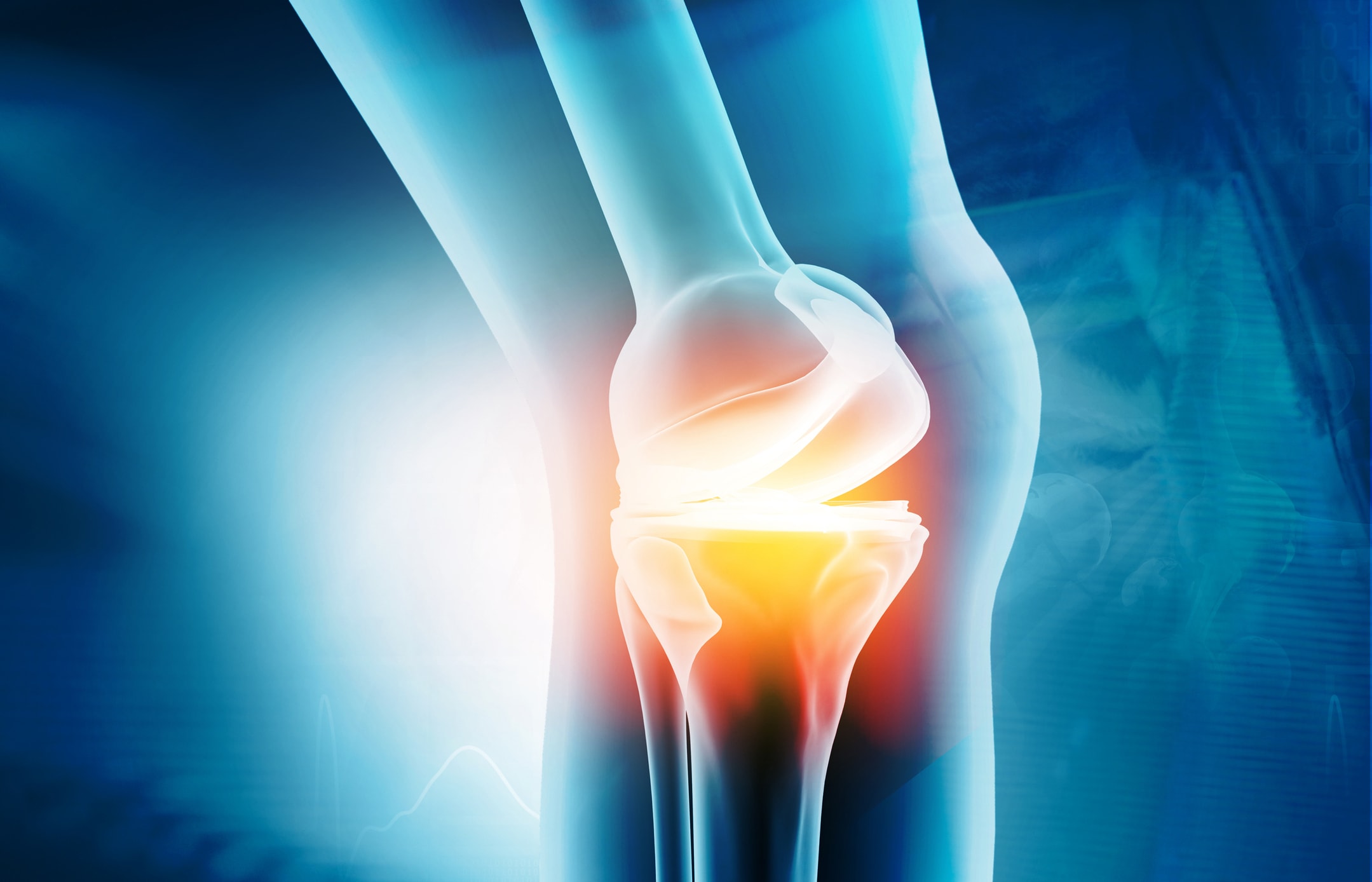
Patients with symptomatic moderate to severe knee OA (KL grade 2–4) who failed conservative management and are ineligible for or refuse total knee arthroplasty (TKA)
Care Setting
Outpatient ambulatory setting under moderate sedation at tertiary care centers
Key Highlights
GAE is a minimally invasive outpatient procedure with minimal risks and potential to bridge conservative therapies and TKA.
Success rates of GAE range from 60% to 86%, with patient selection factors influencing outcomes.
One-year follow-up is critical to assess durability and avoid short-term placebo effects.
Guideline-Based Recommendations
Diagnosis
Confirm moderate to severe knee pain ≥5/10 on visual analog scale.
Radiographic confirmation of knee OA with Kellgren–Lawrence grade 2–4.
Assess failure of conservative management including physical therapy, medications, and intra-articular injections.
Management
Perform GAE in patients who are not candidates for or refuse TKA after failed conservative treatment.
Use radiopaque skin markers to localize pain sites pre-procedure.
Conduct digital subtraction angiography and cone-beam CT to identify target genicular arteries.
Embolize abnormal hyperemic vessels with 100-mm particles preserving normal arterial flow.
Discharge patients approximately 4 hours post-procedure.
Monitoring & Follow-up
Follow-up for at least one year to evaluate clinical success and durability of symptom relief.
Monitor for complications related to embolization and vascular access.
Risks
Potential risks are minimal but include contrast allergy and impaired renal function which are contraindications.
Procedural risks related to arterial access and embolization must be considered.
Patient & Prescribing Data
Patients with symptomatic moderate to severe knee OA, KL grade 2–4, who failed conservative therapies and are not candidates for or refuse TKA.
GAE offers a safe, minimally invasive option with success rates between 60% and 86%, providing symptom relief and potentially delaying or avoiding TKA.
Clinical Best Practices
Careful patient selection based on pain severity, radiographic grading, and failure of conservative management.
Use intra-procedural imaging including DSA and cone-beam CT to precisely target embolization.
Preserve normal arterial flow while embolizing abnormal hyperemic vessels to minimize complications.
Prefer ipsilateral antegrade femoral artery access for better catheter control.
Ensure at least one year of follow-up to assess long-term outcomes.
Machine-learning models distinguished healthy knees from those with osteoarthritis-related cartilage damage, but age and BMI performed as well as or better than the vibration-based models.
A randomized crossover trial found changes in insulin-induced cerebral blood flow following 16 weeks of daily peanut consumption, although the connection to improved memory remains unclear.