The triglyceride-glucose–waist-to-height ratio is the strongest predictor of reduced kidney function in elderly hypertensive patients - Scorecard - MDSpire
Advertisement
The triglyceride-glucose–waist-to-height ratio is the strongest predictor of reduced kidney function in elderly hypertensive patients
Clinical Scorecard: The waist-to-height ratio combined with triglyceride-glucose levels is the most significant indicator of diminished kidney function in older patients with hypertension
At a Glance
Category
Detail
Condition
Diminished kidney function in elderly hypertensive patients
Key Mechanisms
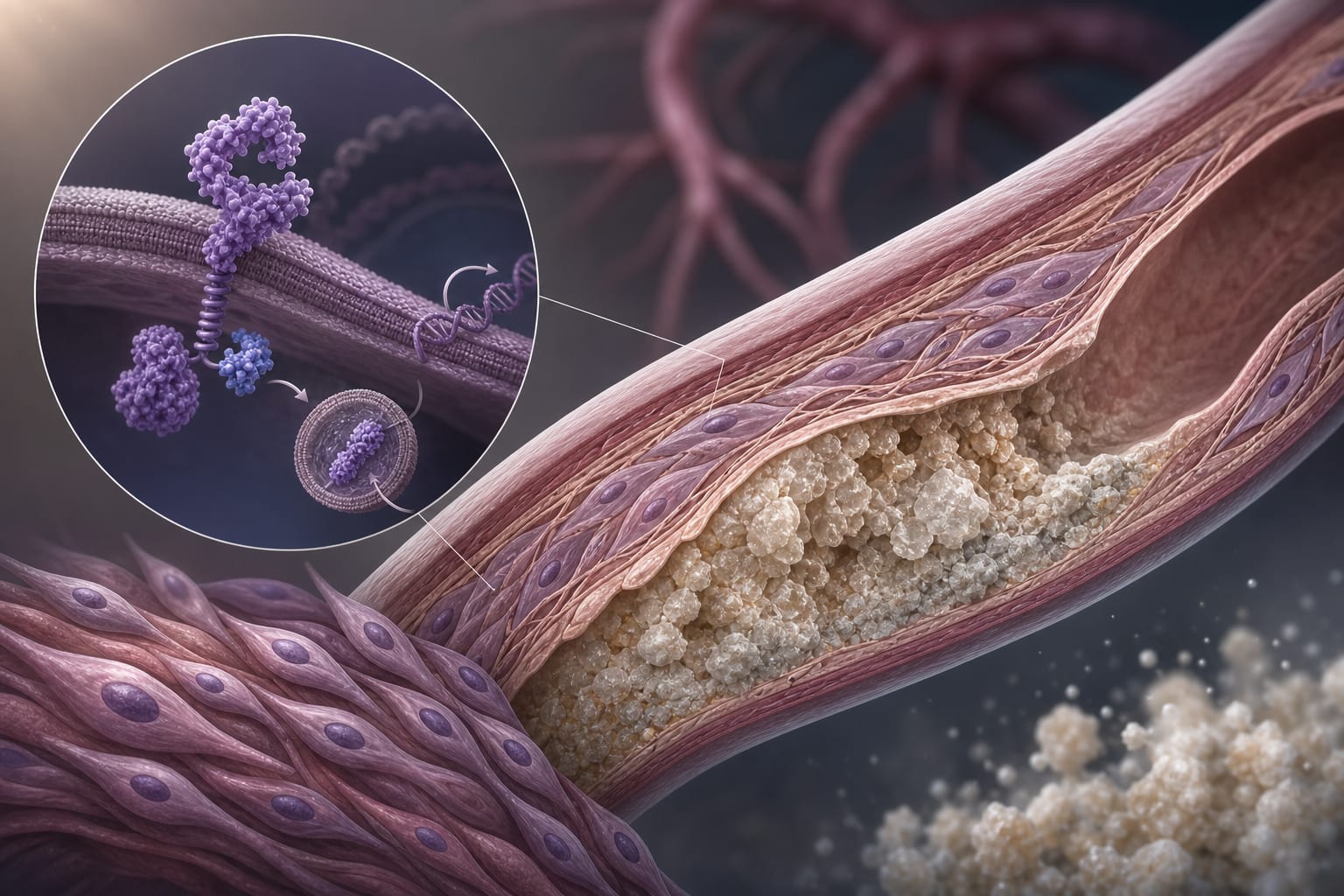
Insulin resistance, disruption of glomerular filtration barrier, inflammation, oxidative stress
Target Population
Elderly hypertensive patients aged ≥65 years
Care Setting
Community health service centers
Key Highlights
Elevated TyG-WHtR is a significant predictor of reduced eGFR.
TyG-WHtR shows superior predictive ability compared to other TyG-related indices.
16.25% of participants had reduced eGFR.
Significant interactions found for gender, age, and alcohol consumption.
Guideline-Based Recommendations
Diagnosis
Use TyG-WHtR and related indices to assess renal function.
Management
Monitor insulin resistance and related metabolic parameters in hypertensive patients.
Monitoring & Follow-up
Regularly evaluate eGFR in elderly patients with hypertension.
Risks
Increased risk of chronic kidney disease associated with hypertension.
Patient & Prescribing Data
Hypertensive adults aged ≥65 years in Huaian, China
Focus on managing insulin resistance to prevent renal dysfunction.
Clinical Best Practices
Incorporate TyG-WHtR in routine assessments for elderly hypertensive patients.
Educate patients on lifestyle modifications to improve insulin sensitivity.