Clinical Scorecard: Impacts and risk factors associated with self-discharge against medical advice in plastic and hand surgical procedures
At a Glance
Category
Detail
Condition
Self-discharge against medical advice in plastic, aesthetic, hand, and reconstructive surgery
Key Mechanisms
Patient autonomy leading to self-discharge; associated with increased complication and reoperation rates
Target Population
Adult patients undergoing plastic, aesthetic, hand, and reconstructive surgical procedures
Care Setting
Inpatient surgical care in a single-center hospital setting
Key Highlights
Self-discharge rate increased from 2.6% to 4.7% over 10 years in the studied clinic.
Patients self-discharging had significantly higher complication (19.2% vs. 10.0%) and revision operation rates (17.8% vs. 3.1%) compared to controls.
Living in shared households and having children were significant predictors of self-discharge.
Guideline-Based Recommendations
Diagnosis
Identify patients at risk of self-discharge by assessing household composition and caregiving responsibilities.
Management
Enhance physician–patient communication using shared decision-making models to improve adherence.
Provide continued outpatient follow-up, especially for patients who self-discharge.
Monitoring & Follow-up
Monitor for complications and need for reoperations more closely in patients who self-discharge.
Follow-up via general practitioners, other surgeons, or outpatient clinics to ensure continuity of care.
Risks
Self-discharge is associated with increased risk of complications and higher rates of reoperation.
Lower pain scores at discharge do not preclude risk of adverse outcomes.
Patient & Prescribing Data
Adult surgical patients in plastic and hand surgery who self-discharge against medical advice
Self-discharge patients often continue treatment with general practitioners or outpatient clinics but have higher complication and revision rates despite high satisfaction with care.
Clinical Best Practices
Implement shared decision-making to balance patient autonomy with medical recommendations.
Identify social factors such as living situation and childcare responsibilities that may predispose to self-discharge.
Ensure structured follow-up plans for patients who self-discharge to reduce complications.
Educate patients on risks associated with early discharge despite low pain scores.
by Sören Könneker, Rosalia Luketina, Stefaniya Bozadzhieva, Thomas von Lengerke, Nicco Krezdorn, Theodore L. H. Luketina, Peter M. Vogt, Alexander Kaltenborn
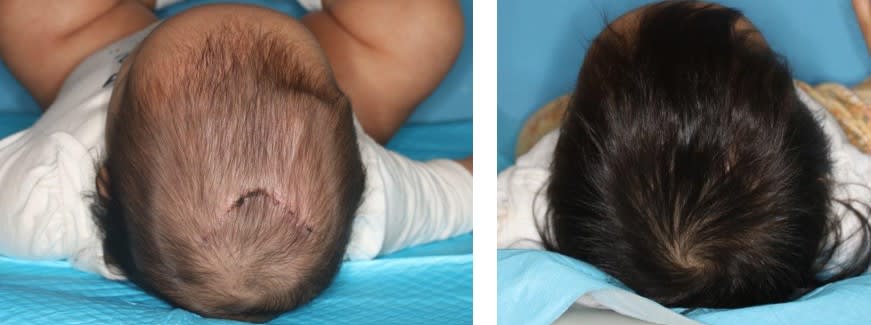
In our cohort of non-syndromic sagittal synostosis treated with SMC, 33% of patients was found to have UCS in the early postoperative period on CT imaging.
A prospective cohort study suggests that clinically meaningful quality‐of‐life changes continue well beyond the first postoperative year, with one‐year complications emerging as the strongest potentially modifiable predictor of later decline.
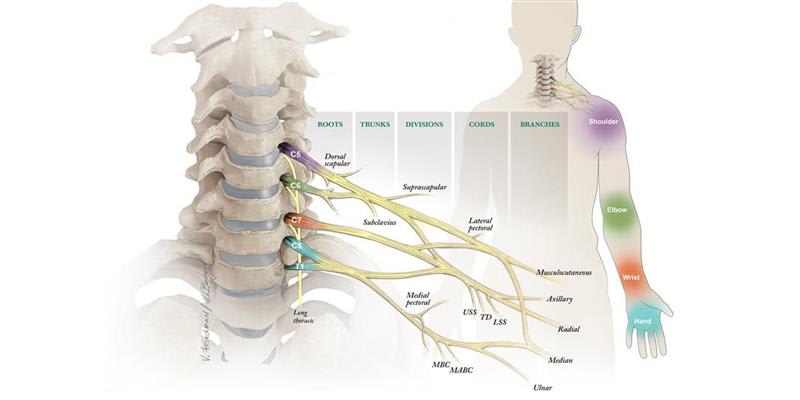
David Brogan, MD, MSc, and Christopher Dy, MD, MPH, who are pioneering new approaches to treating brachial plexus injuries, including those caused by high-velocity trauma such as motor vehicle accidents.