The duality of disease: the Alzheimer’s disease dilemma through the lens of nosos and asthenia
Clinical Scorecard: Exploring the Dichotomy of Alzheimer’s Disease: A Perspective on Nosos and Asthenia
At a Glance
| Category | Detail |
|---|
| Condition | Alzheimer’s disease |
| Key Mechanisms | Biological pathology including amyloid-β plaques, tau pathology, and neurodegeneration (nosos) |
| Target Population | Individuals at risk or diagnosed with Alzheimer’s disease, including preclinical stages |
| Care Setting | Neurology clinics, research settings, and long-term care facilities |
Key Highlights
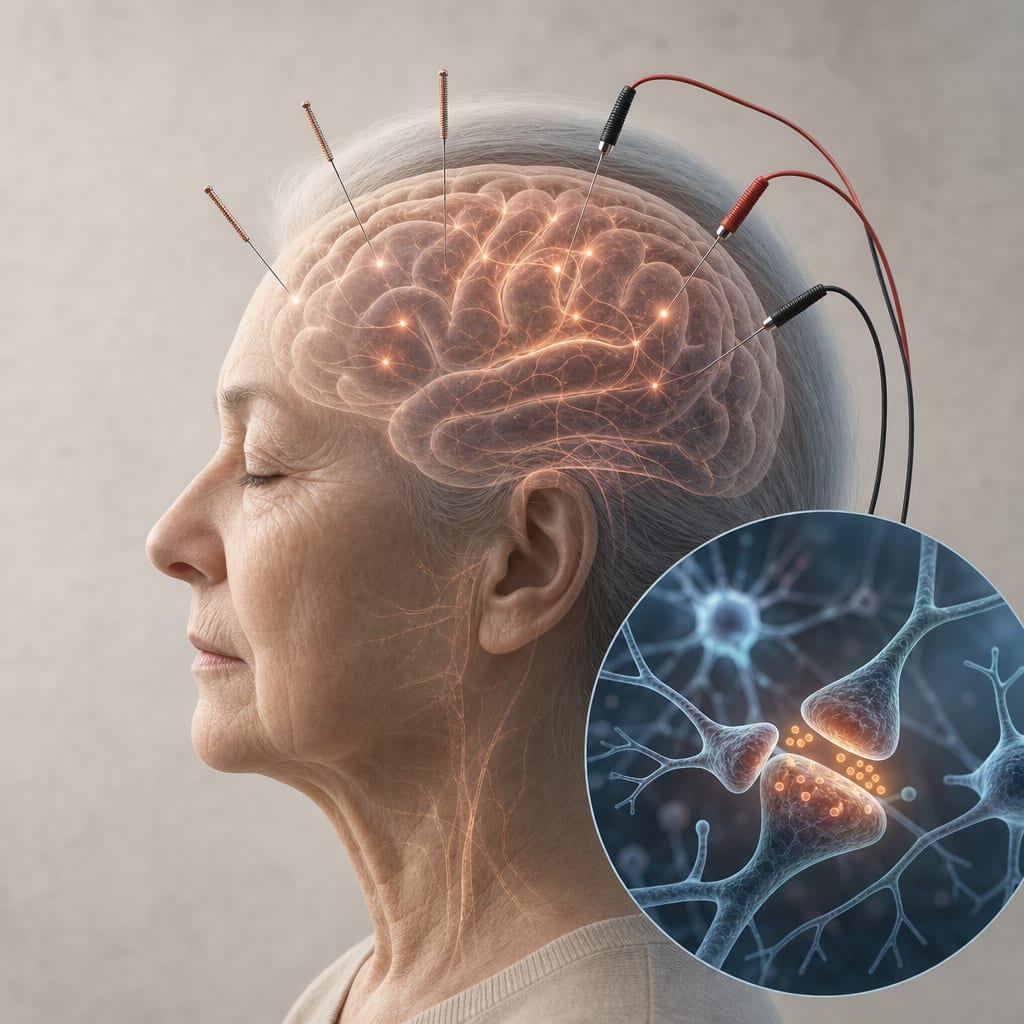
- Alzheimer’s disease can be conceptualized as nosos (biological disease) or asthenia (clinical symptoms of cognitive decline).
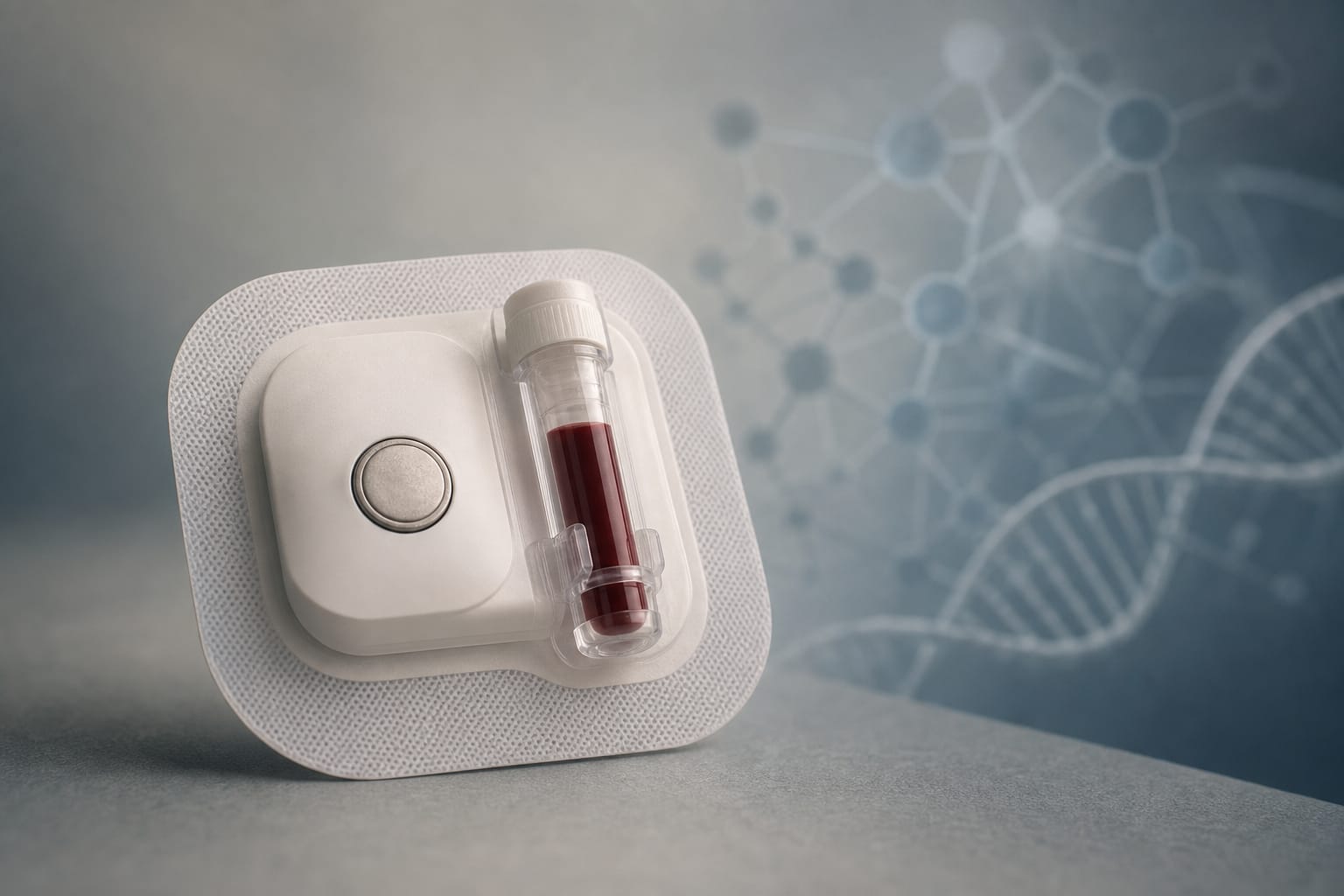
- Modern diagnostics enable detection of Alzheimer’s pathology before symptom onset via CSF biomarkers, PET imaging, and blood tests.
- A biological definition (nosos) allows earlier diagnosis and targeted interventions but clinical symptoms (asthenia) remain crucial for patient care.
Guideline-Based Recommendations
Diagnosis
- Use biomarkers such as amyloid-β, tau pathology, and neurodegeneration markers for early detection.
- Incorporate clinical assessment of cognitive decline to define symptomatic Alzheimer’s disease.
- Recognize Alzheimer’s disease as a clinical-biological construct combining nosos and asthenia.
Management
- Target interventions in preclinical stages identified by biomarkers to potentially delay symptom onset.
- Tailor treatment decisions based on presence and severity of cognitive impairment (asthenia).
- Avoid conflating Alzheimer’s disease with other dementias lacking characteristic pathology.
Monitoring & Follow-up
- Monitor biomarker progression alongside cognitive function over time.
- Assess functional impairment and caregiver burden to guide care planning.
- Use longitudinal evaluations to adjust therapeutic strategies.
Risks
- Risk of misclassification if diagnosis relies solely on clinical symptoms without biomarker confirmation.
- Potential overtreatment of asymptomatic individuals with biomarker positivity.
- Neglecting patient experience and symptom management if focus is exclusively on biological markers.
Patient & Prescribing Data
Individuals with biomarker evidence of Alzheimer’s pathology, both symptomatic and asymptomatic
Early intervention may be more effective in preclinical stages; treatment decisions should consider cognitive status and functional impact
Clinical Best Practices
- Integrate biomarker testing with comprehensive clinical evaluation for accurate diagnosis.
- Educate patients and caregivers about the distinction between biological disease and symptomatic experience.
- Balance nosological precision with attention to patient-centered outcomes and quality of life.
References