25HC regulates the polarization of CD163+ macrophages in the immune microenvironment of triple-negative breast cancer through the interferon pathway - Scorecard - MDSpire
Advertisement
25HC regulates the polarization of CD163+ macrophages in the immune microenvironment of triple-negative breast cancer through the interferon pathway
Clinical Scorecard: 25-Hydroxycholesterol Modulates CD163+ Macrophage Polarization in the Immune Microenvironment of Triple-Negative Breast Cancer via the Interferon Signaling Pathway
At a Glance
Category
Detail
Condition
Triple-Negative Breast Cancer (TNBC)
Key Mechanisms
Aberrant activation of the interferon regulatory factor 7–cholesterol-25-hydroxylase–25HC axis regulates macrophage polarization.
Target Population
Patients with Triple-Negative Breast Cancer (TNBC)
Care Setting
Oncology and research settings focusing on breast cancer
Key Highlights
25-hydroxycholesterol (25HC) identified as a key regulator of macrophage polarization in TNBC.
The study delineates the link between dysregulated 25HC metabolism and macrophage polarization.
Unique immune landscape of TNBC characterized by higher levels of tumor-infiltrating lymphocytes (TILs).
The role of tumor-associated macrophages (TAMs) in TNBC is complex and context-dependent.
Guideline-Based Recommendations
Diagnosis
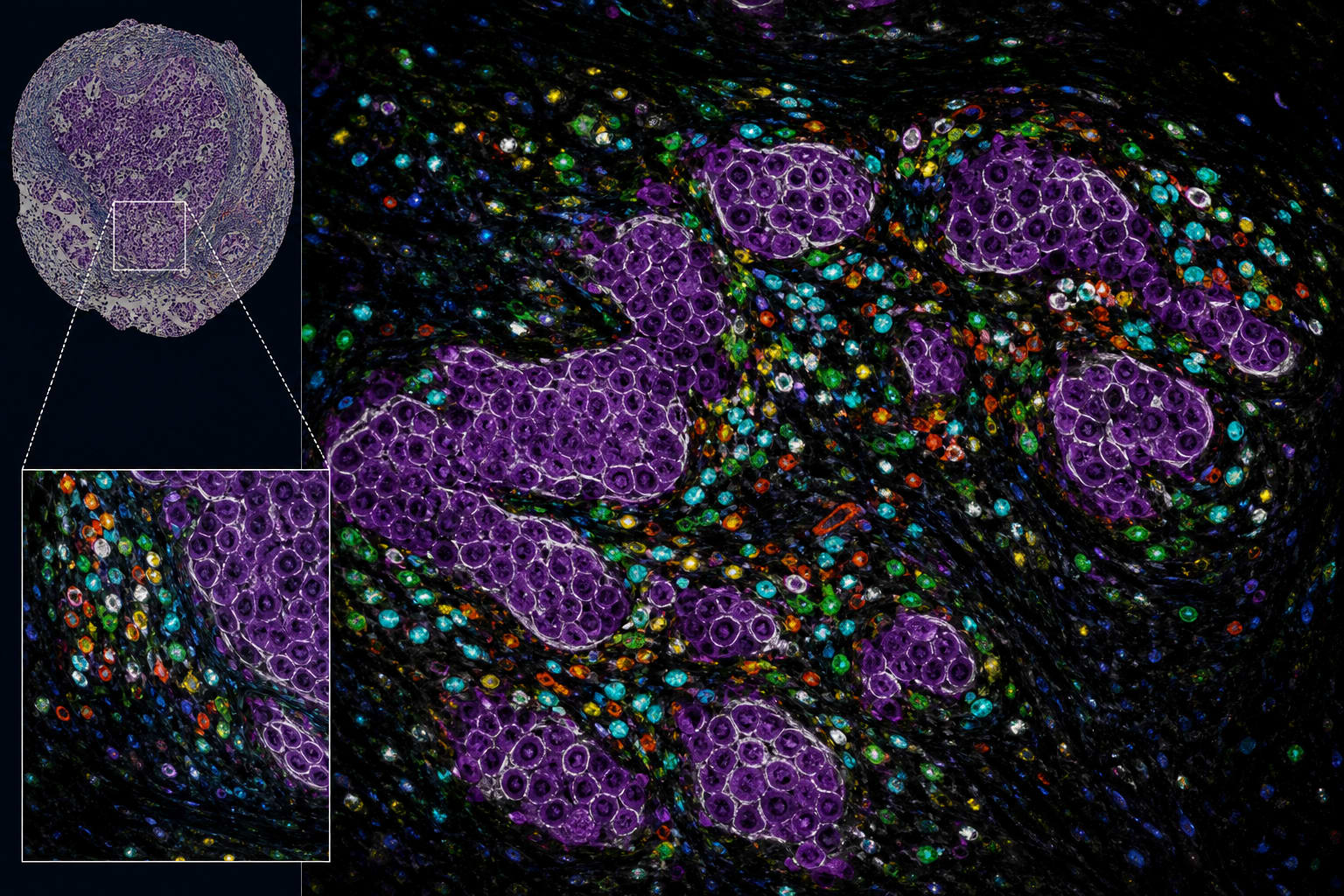
Utilize multiplex fluorescence immunohistochemistry to profile the immune microenvironment in TNBC.
Management
Investigate therapeutic strategies targeting the 25HC metabolic pathway in TNBC.
Monitoring & Follow-up
Monitor macrophage polarization states in the tumor microenvironment.
Risks
Consider the implications of macrophage polarization on tumor progression and treatment resistance.
Patient & Prescribing Data
Women diagnosed with Triple-Negative Breast Cancer (TNBC).
Targeting the 25HC pathway may offer new therapeutic avenues for TNBC.
Clinical Best Practices
Integrate bioinformatic analyses with experimental validation to understand immune mechanisms in TNBC.
Consider the immune context when evaluating treatment responses in TNBC.