Immune heterogeneity and therapeutic resistance in gynecological malignancies
-
By
-
Mengyi Zhang
-
Binhan Guo
-
June 22, 2026
-
Clinical Scorecard: Variability in Immune Response and Treatment Resistance in Gynecological Cancers
At a Glance
| Category | Detail |
|---|
| Condition | Gynecological malignancies |
| Key Mechanisms | Cellular heterogeneity, immune remodeling, therapeutic resistance |
| Target Population | Women with cervical, ovarian, and endometrial cancers |
| Care Setting | Oncology |
Key Highlights
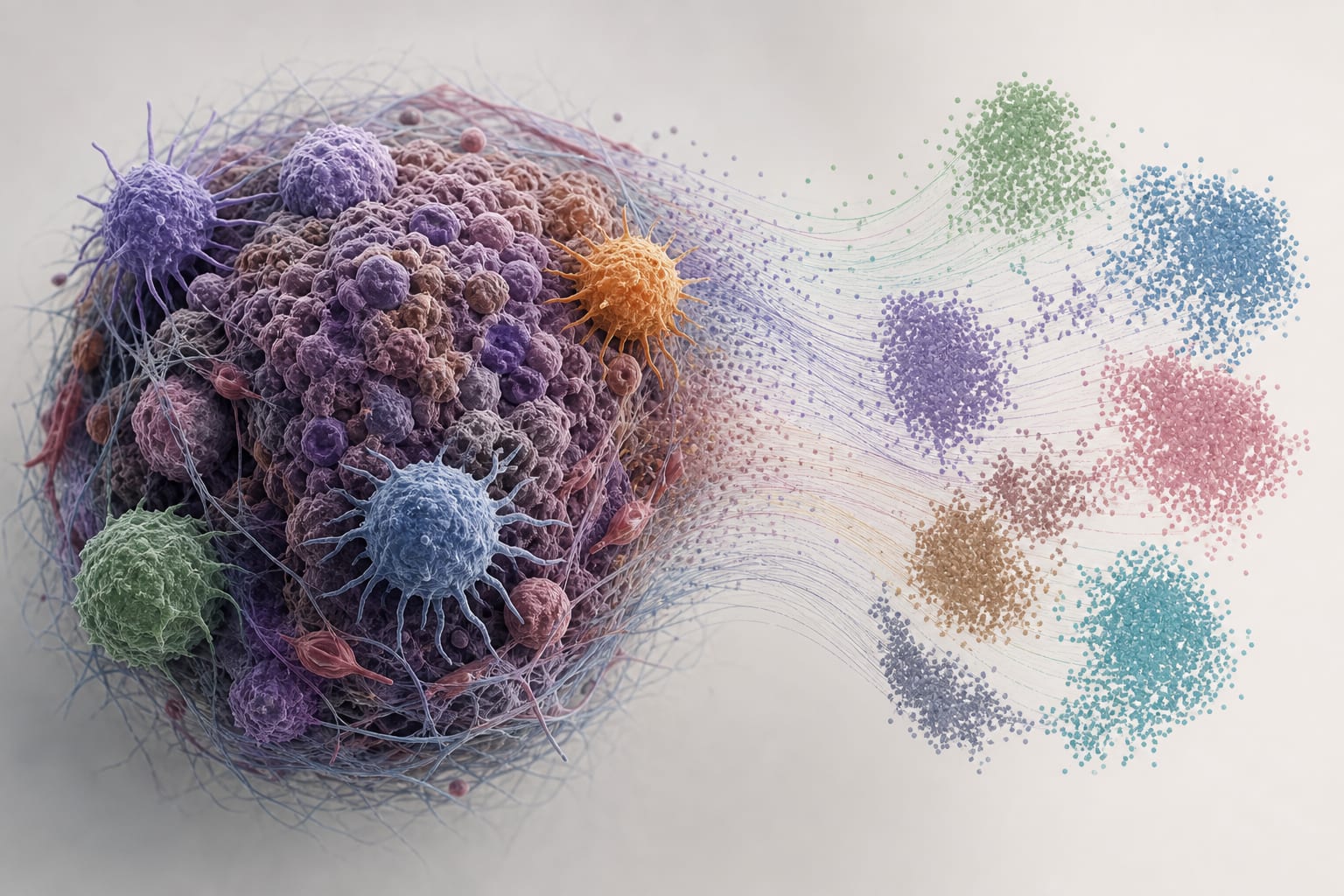
- Single-cell sequencing reveals profound cellular heterogeneity in gynecological cancers.
- Tumor-associated macrophages (TAMs) play a significant role in immune suppression and therapeutic resistance.
- Ascites-derived TAMs in ovarian cancer exhibit strong immunoregulatory activity.
- Cancer-associated fibroblasts (CAFs) contribute to immune exclusion and metastatic dissemination.
- Single-cell analyses inform precision immunotherapy strategies.
Guideline-Based Recommendations
Diagnosis
- Utilize single-cell sequencing to identify tumor ecosystems and immune cell states.
Management
- Consider the role of immune microenvironment in treatment planning.
Monitoring & Follow-up
- Monitor immune cell populations and their interactions with tumor cells.
Risks
- Be aware of the potential for therapeutic resistance due to immune suppression.
Patient & Prescribing Data
Women diagnosed with cervical, ovarian, or endometrial cancers.
Therapeutic strategies should account for immune heterogeneity and resistance mechanisms.
Clinical Best Practices
- Incorporate single-cell technologies in research to enhance understanding of tumor biology.
- Evaluate the immune microenvironment to inform treatment decisions.
- Focus on personalized treatment approaches based on tumor and immune characteristics.
Related Resources & Content