Clinical Scorecard: Building a Pre-Disease Data Map
At a Glance
Category
Detail
Condition
Early biological changes preceding disease symptoms
Key Mechanisms
Integration of proteomic, genomic, and longitudinal clinical data, analyzed with artificial intelligence and large-scale data analytics to identify patterns associated with disease development.
Target Population
Biospecimens and longitudinal clinical data from a planned one million samples; no specific patient eligibility criteria are stated.
Care Setting
Biomedical research and data infrastructure intended to support research into early disease detection and the development of diagnostics, therapeutics, and other healthcare technologies.
Key Highlights
Mayo Clinic and Thermo Fisher Scientific launched Precure, LLC to study biological changes that occur before disease symptoms emerge.
The initiative plans to generate molecular data from one million biospecimens and link it with clinical information collected over several years.
The planned dataset will combine proteomic, genomic, and longitudinal clinical data, with AI and analytics used to identify patterns.
Research areas named include cancer, cardiometabolic disease, neurological disorders, and immune-mediated conditions.
Mayo Clinic will hold a majority stake; Thermo Fisher will be a founding partner and minority owner, contributing proteomics technologies and expertise.
Guideline-Based Recommendations
Diagnosis
Management
Monitoring & Follow-up
Risks
Patient & Prescribing Data
No prescribing population, treatment regimen, or patient eligibility criteria are provided. The initiative plans to study molecular data from one million biospecimens linked to longitudinal clinical information.
No treatment recommendations are reported. The company aims to support research that may inform earlier diagnosis, targeted interventions, and therapeutic development.
Clinical Best Practices
The article describes a research initiative, not clinical practice guidance; it provides no diagnostic, treatment, or monitoring recommendations.
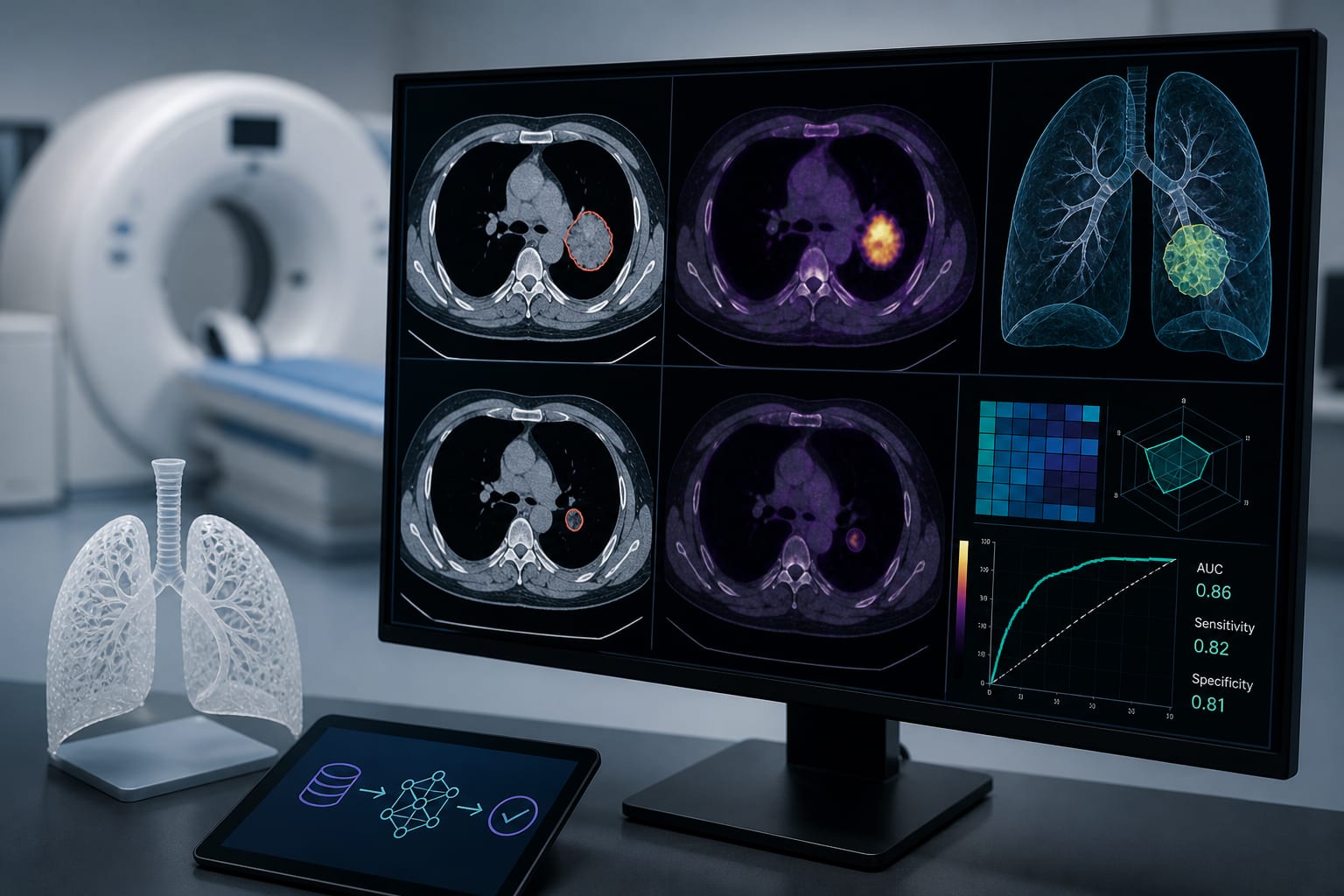
Standardized preprocessing, multicenter datasets, external validation, and interpretable models may matter more than further gains in classification accuracy