Risk factors associated with aggressive tumor phenotypes in papillary thyroid microcarcinoma: a systematic review and meta-analysis - Scorecard - MDSpire
Advertisement
Risk factors associated with aggressive tumor phenotypes in papillary thyroid microcarcinoma: a systematic review and meta-analysis
Clinical Scorecard: Identifying Risk Factors Linked to Aggressive Tumor Characteristics in Papillary Thyroid Microcarcinoma: A Systematic Review and Meta-Analysis
At a Glance
Category
Detail
Condition
Papillary Thyroid Microcarcinoma (PTMC)
Key Mechanisms
Risk factors for aggressive phenotypes include male sex, age, tumor size, multifocality, bilaterality, and BRAFV600E mutation.
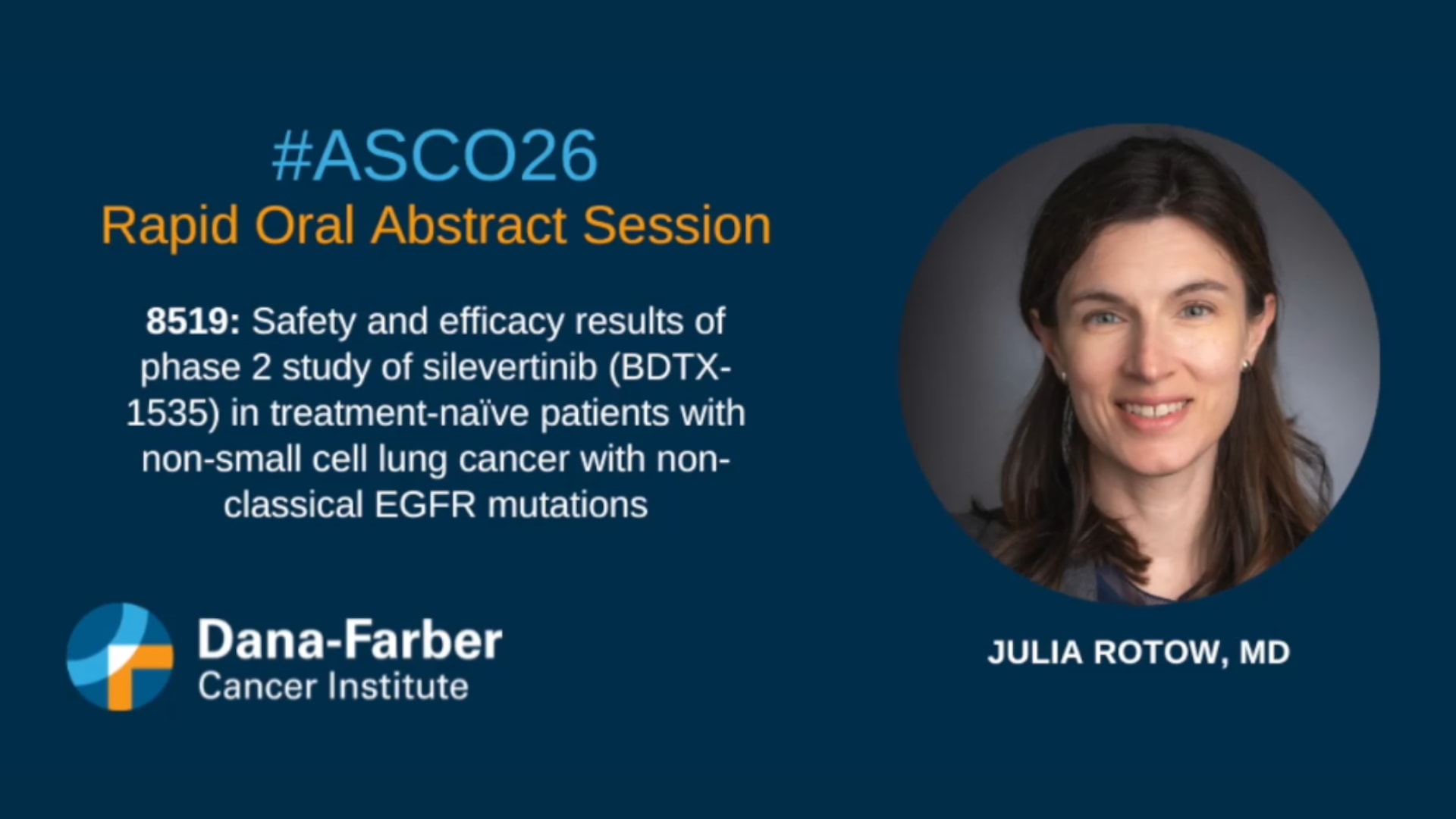
Dana-Farber Cancer Institute's Dr. Julia Rotow reported on a study looking at silevertinib, with data showing it may offer a new first-line option for hard-to-treat EGFR non-small cell lung cancer variants, with encouraging brain activity and manageable side effects.
A-DREAM/Alliance A032101 study presented by Dana-Farber Cancer Institute's Dr. Atish Choudhury shows 41% of favorable responders to testosterone suppression plus androgen receptor pathway inhibitor remaining treatment-free with testosterone recovery at 18 months after treatment interruption.