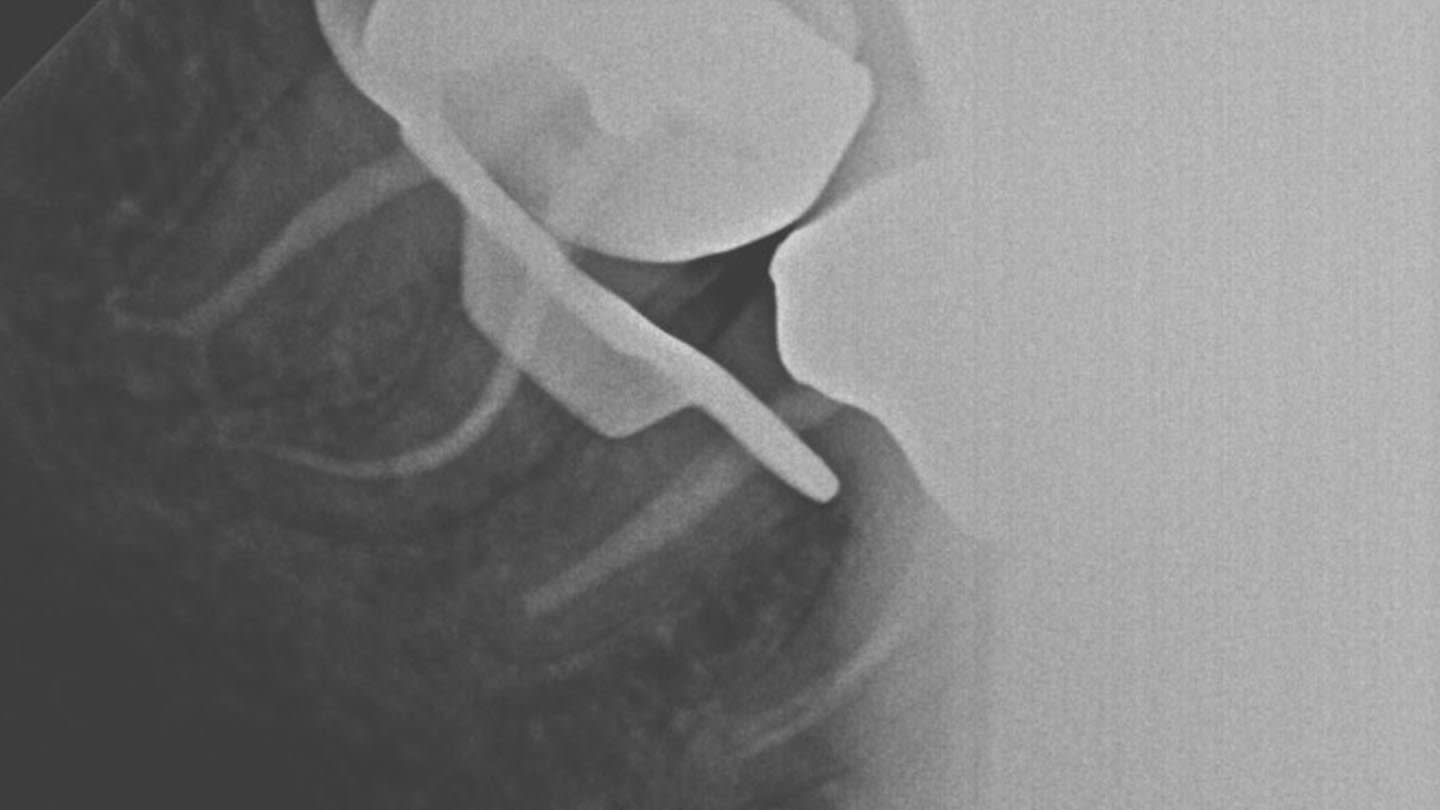
Management of a Mandibular Third Molar With Radix Paramolaris: A Case Report
By
Zak R. James, DMD
September 1, 2026
Clinical Scorecard: Management of a Mandibular Third Molar With Radix Paramolaris: A Case Report
At a Glance
Category Detail
Condition Pulpal necrosis and symptomatic apical periodontitis associated with mandibular third molar Key Mechanisms Presence of radix paramolaris complicating root canal treatment Target Population Patients with complex root canal anatomy, particularly elderly individuals Care Setting Dental clinic specializing in endodontics
Key Highlights
Successful nonsurgical root canal treatment despite complex anatomy Importance of cone-beam computed tomography (CBCT) in diagnosis Use of heat-treated nickel-titanium rotary instruments for treatment Challenges of accessing and treating mandibular third molars Need for conservative treatment planning to preserve existing restorations Guideline-Based Recommendations
Diagnosis
Utilize CBCT for complex root canal anatomy assessment Perform clinical examination and diagnostic testing for accurate diagnosis Management
Consider nonsurgical root canal therapy to preserve tooth structure Employ conservative access techniques to minimize restoration damage Monitoring & Follow-up
Regular follow-up to assess treatment success and monitor for complications Risks
Potential for missed anatomy leading to treatment failure Increased procedural complexity due to anatomical variations Patient & Prescribing Data
Elderly patients with symptomatic apical periodontitis
Conservative management can be effective with appropriate imaging and instrumentation
Clinical Best Practices
Incorporate 3D imaging for treatment planning in complex cases Utilize flexible rotary instruments to navigate challenging anatomy Maintain conservative access to preserve existing restorations Related Resources & Content