Conexiant’s news site is now MDSpire News. Learn more
Advertisement
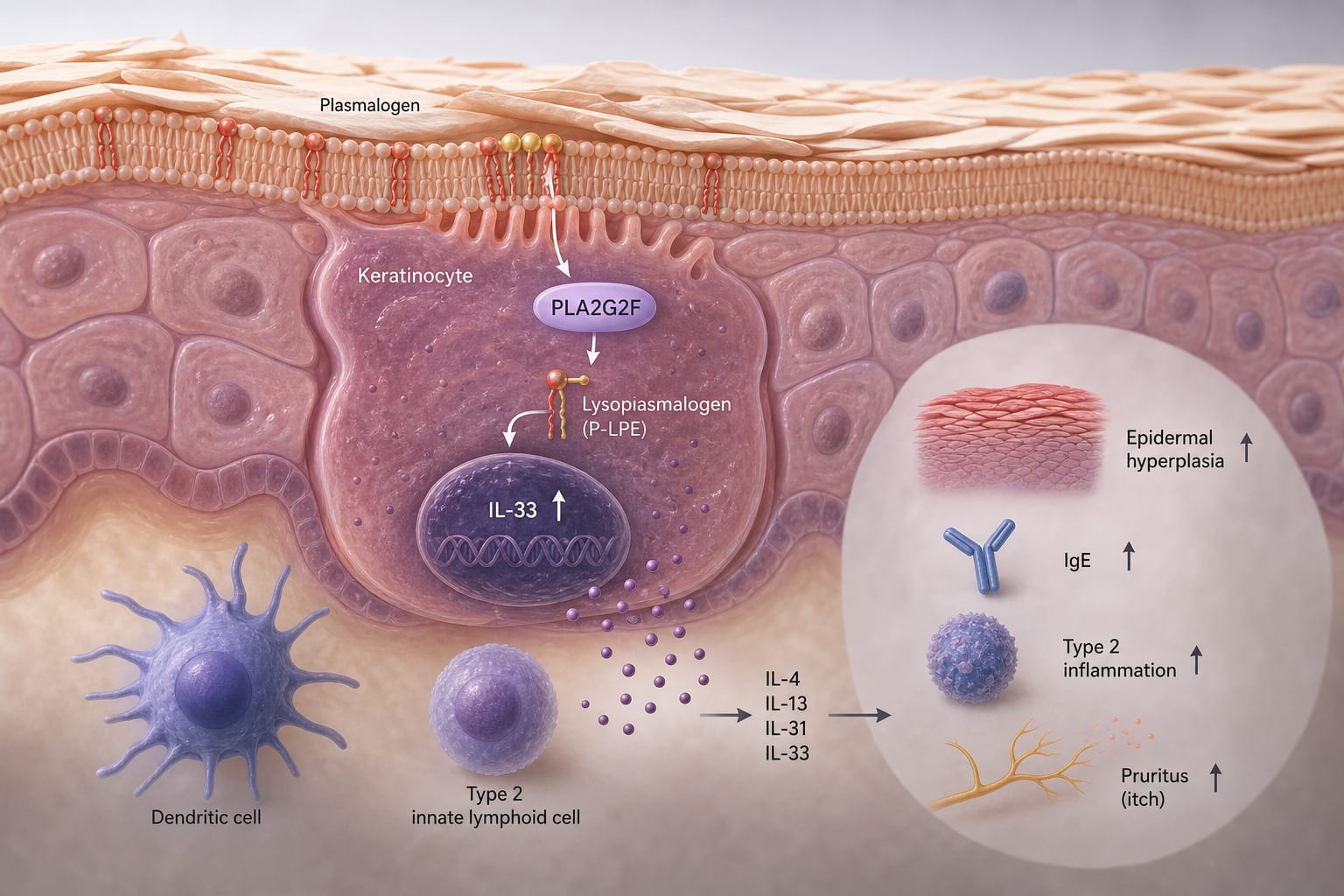
The Role of the PLA2G2F/Lysoplasmalogen Pathway in Connecting Epidermal Lipid Metabolism to Type 2 Inflammatory Responses and Pruritus in Atopic Dermatitis
Clinical Scorecard: The Role of the PLA2G2F/Lysoplasmalogen Pathway in Connecting Epidermal Lipid Metabolism to Type 2 Inflammatory Responses and Pruritus in Atopic Dermatitis
At a Glance
Category
Detail
Condition
Atopic Dermatitis
Key Mechanisms
PLA2G2F/P-LPE axis connects epidermal lipid metabolism with IL-33-mediated type 2 inflammation and itch.
Target Population
Individuals with atopic dermatitis, affecting 10–20% of people in developed countries.
Care Setting
Clinical research and dermatology
Key Highlights
PLA2G2F is induced by type 2 cytokines and contributes to atopic dermatitis exacerbation.
Inhibition of PLA2G2F or breakdown of P-LPE reduces itch response.
P-LPE concentrations correlate with disease severity in atopic dermatitis patients.
The study identifies a novel therapeutic target and biomarker for atopic dermatitis.
Guideline-Based Recommendations
Diagnosis
Diagnosis of atopic dermatitis is based on clinical criteria including pruritus and eczematous lesions.
Management
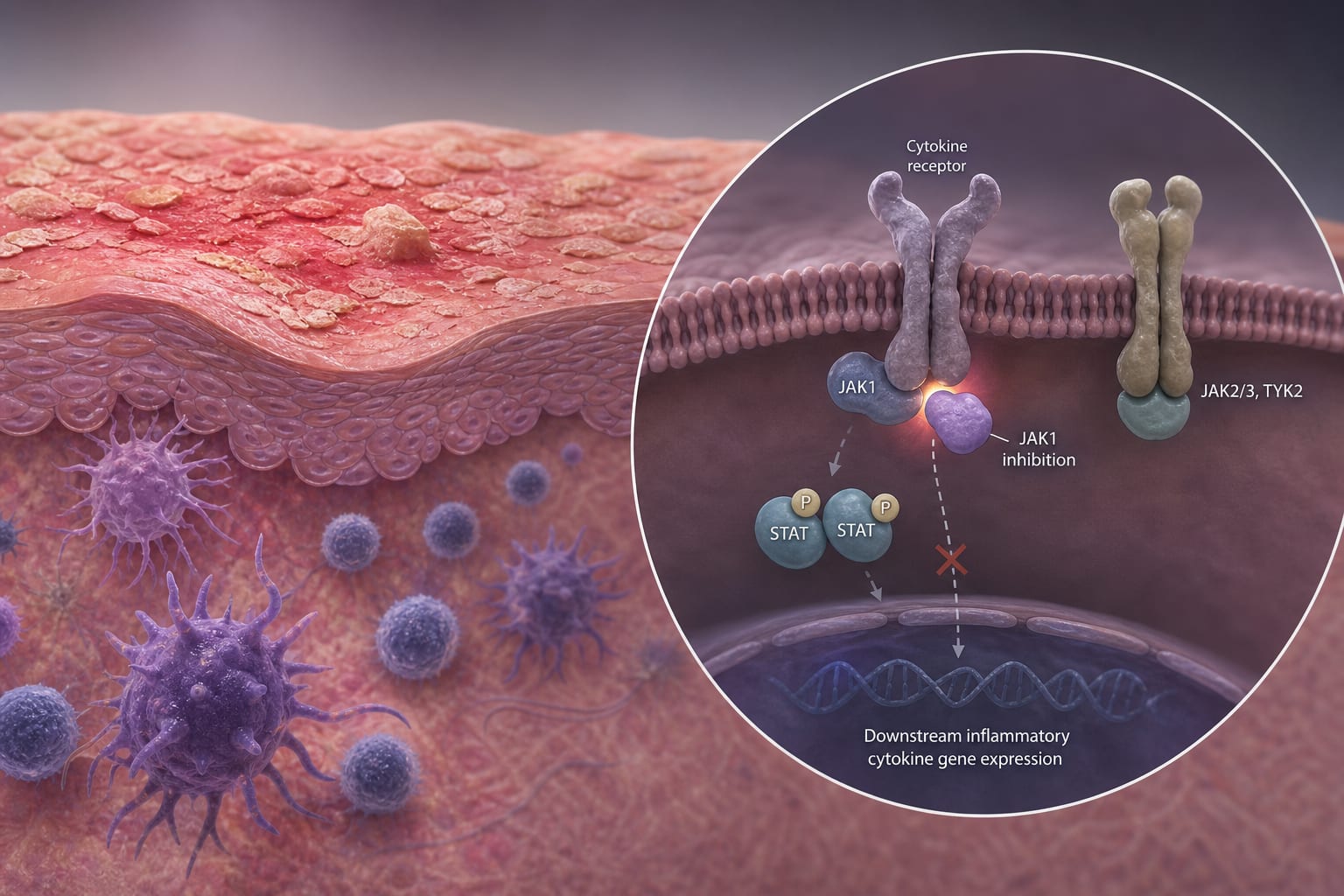
Current treatments include topical corticosteroids, calcineurin inhibitors, JAK inhibitors, and systemic biologics targeting type 2 cytokines.
Monitoring & Follow-up
Monitor disease severity and treatment response through clinical evaluation and patient-reported outcomes.
Risks
Adverse effects from current therapies, including potential treatment non-response.
Patient & Prescribing Data
Patients diagnosed with atopic dermatitis.
Novel therapeutic targets are needed to disrupt pathological communication among epithelial, immune, and neuronal pathways.
Clinical Best Practices
Consider the role of lipid mediators in the management of atopic dermatitis.
Evaluate the potential of targeting the PLA2G2F/P-LPE pathway in treatment strategies.