Early arterial blood gas parameters, clinical features, and neuroimaging findings in neonates undergoing therapeutic hypothermia for suspected hypoxic-ischemic encephalopathy: a retrospective single-center study - Scorecard - MDSpire
Conexiant’s news site is now MDSpire News. Learn more
Advertisement
Assessment of Initial Arterial Blood Gas Metrics, Clinical Characteristics, and Neuroimaging Results in Neonates Treated with Therapeutic Hypothermia for Suspected Hypoxic-Ischemic Encephalopathy: A Retrospective Analysis from a Single Center
Clinical Scorecard: Assessment of Initial Arterial Blood Gas Metrics, Clinical Characteristics, and Neuroimaging Results in Neonates Treated with Therapeutic Hypothermia for Suspected Hypoxic-Ischemic Encephalopathy: A Retrospective Analysis from a Single Center
At a Glance
Category
Detail
Condition
Hypoxic-Ischemic Encephalopathy (HIE)
Key Mechanisms
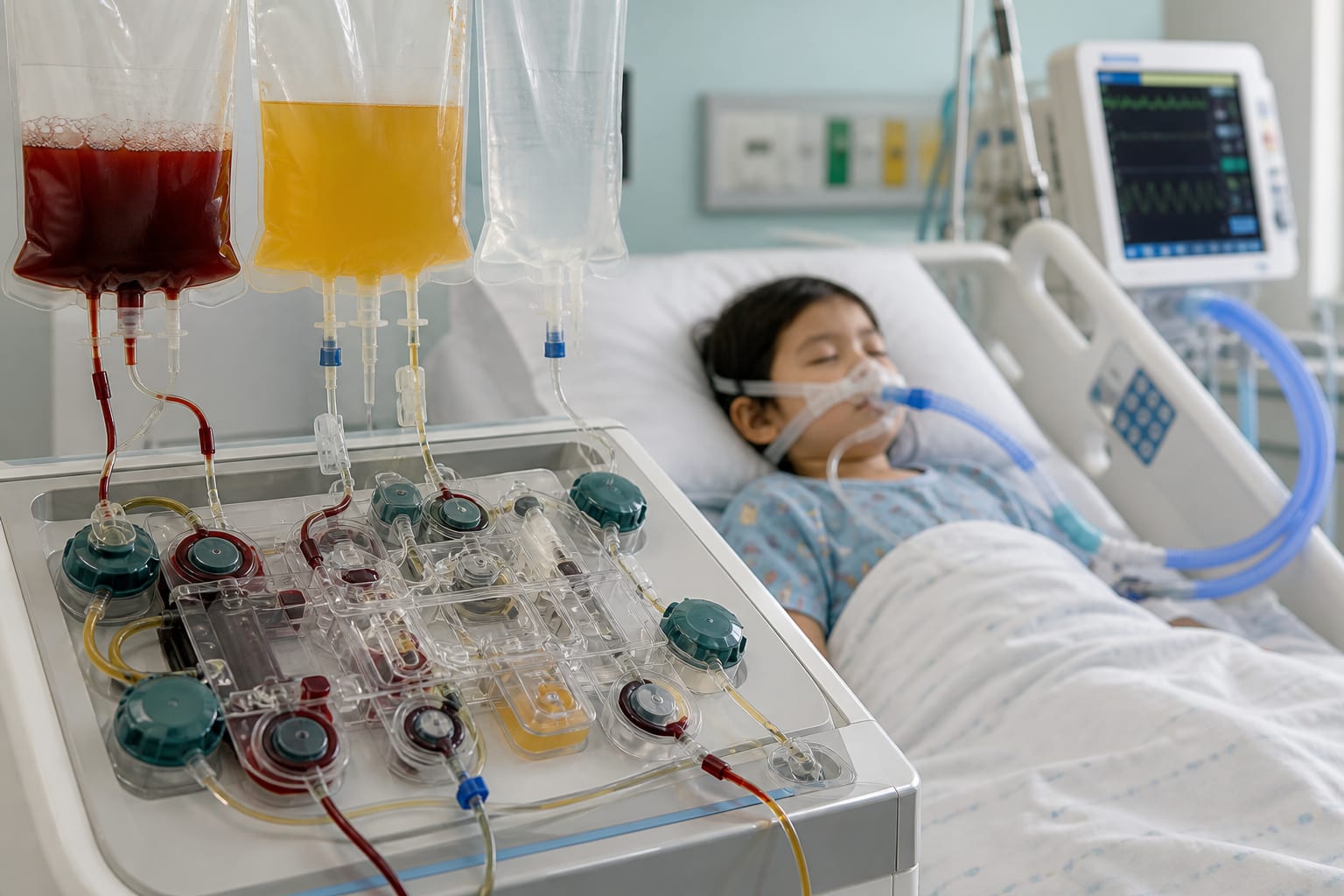
Therapeutic hypothermia as a neuroprotective treatment for HIE.
Target Population
Neonates aged 0–28 days with suspected moderate-to-severe HIE.
Care Setting
Neonatal intensive care units.
Key Highlights
72.7% of neonates showed no final evidence of HIE.
Lower bicarbonate levels were associated with the presence of any-stage HIE.
Seizures correlated with lower gestational age and more negative base excess values.
Concordance between cranial ultrasonography and MRI was low.
MRI findings were more sensitive in detecting brain injury compared to ultrasonography.
Guideline-Based Recommendations
Diagnosis
Final HIE classification should be based on clinical course, seizures, neurologic findings, EEG data, and neuroimaging.
Management
Therapeutic hypothermia is recommended for term and near-term neonates with moderate to severe HIE.
Monitoring & Follow-up
Early blood gas parameters should be monitored to assess perinatal acid-base status and severity of hypoxic-ischemic insult.
Risks
Abnormal MRI patterns are associated with adverse neurodevelopmental outcomes.
Patient & Prescribing Data
Neonates treated with therapeutic hypothermia for suspected HIE.
Bicarbonate levels and blood gas parameters are critical for assessing HIE severity.
Clinical Best Practices
Utilize MRI for confirming the pattern and severity of hypoxic-ischemic injury.
Consider the discordance between cranial ultrasonography and MRI in clinical assessments.