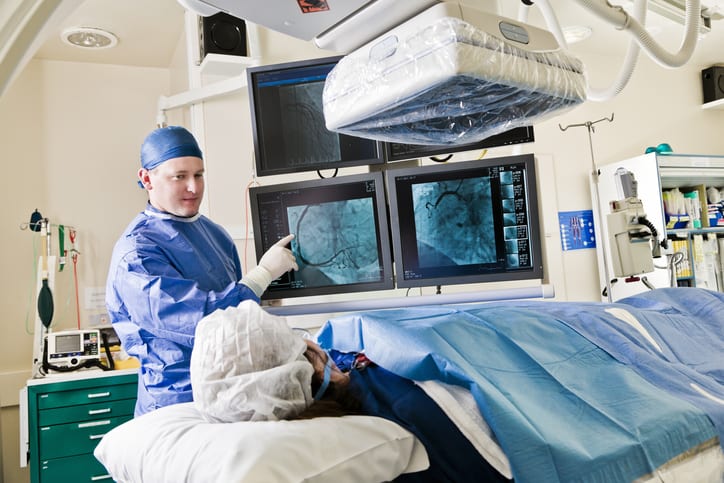
Counting coins in the dark—Austrian, German, and Swiss medical students’ perceptions of radiology
-
By
-
Magdalena Seng
-
Hanns-Christian Breit
-
Paul Hehenkamp
-
Christoph Johannes Zech
-
Drilona Lumi
-
Ricardo Donners
-
March 6, 2025
-
Clinical Scorecard: Exploring the Views of Medical Students in Austria, Germany, and Switzerland on the Field of Radiology
At a Glance
| Category | Detail |
|---|
| Condition | Radiology as a medical specialty and its perception among medical students |
| Key Mechanisms | Increasing demand for diagnostic imaging and image-guided procedures; workforce shortage; impact of AI on radiology practice and perceptions |
| Target Population | Medical students in Austria, Germany, and Switzerland |
| Care Setting | Radiology departments within hospitals and medical institutions |
Key Highlights
- Demand for diagnostic imaging and complexity of examinations has increased globally, while radiology workforce growth remains minimal.
- Majority of medical students (64%) do not envision a career in radiology despite recognizing its clinical importance (99%).
- Artificial intelligence supports radiology but cannot replace radiologists; misconceptions about AI may deter students from choosing radiology.
Guideline-Based Recommendations
Diagnosis
- Radiology remains crucial for precise diagnosis across medical conditions, supported by advances in imaging technology.
Management
- Address workforce shortages by increasing radiology trainees and improving recruitment strategies.
- Incorporate more contemporary radiology education into medical curricula to enhance student interest.
Monitoring & Follow-up
- Monitor student perceptions and attitudes towards radiology regularly to adapt educational and recruitment approaches.
Risks
- Risk of burnout among radiologists due to workload imbalance.
- Potential decline in radiology workforce if misconceptions about AI replacing radiologists persist.
Patient & Prescribing Data
Not applicable (focus on medical students and radiology workforce)
Not applicable
Clinical Best Practices
- Enhance radiology exposure and education within medical school curricula to improve specialty attractiveness.
- Address misconceptions about AI in radiology through transparent communication and education.
- Support radiologists' working conditions to reduce burnout and improve job satisfaction.
References