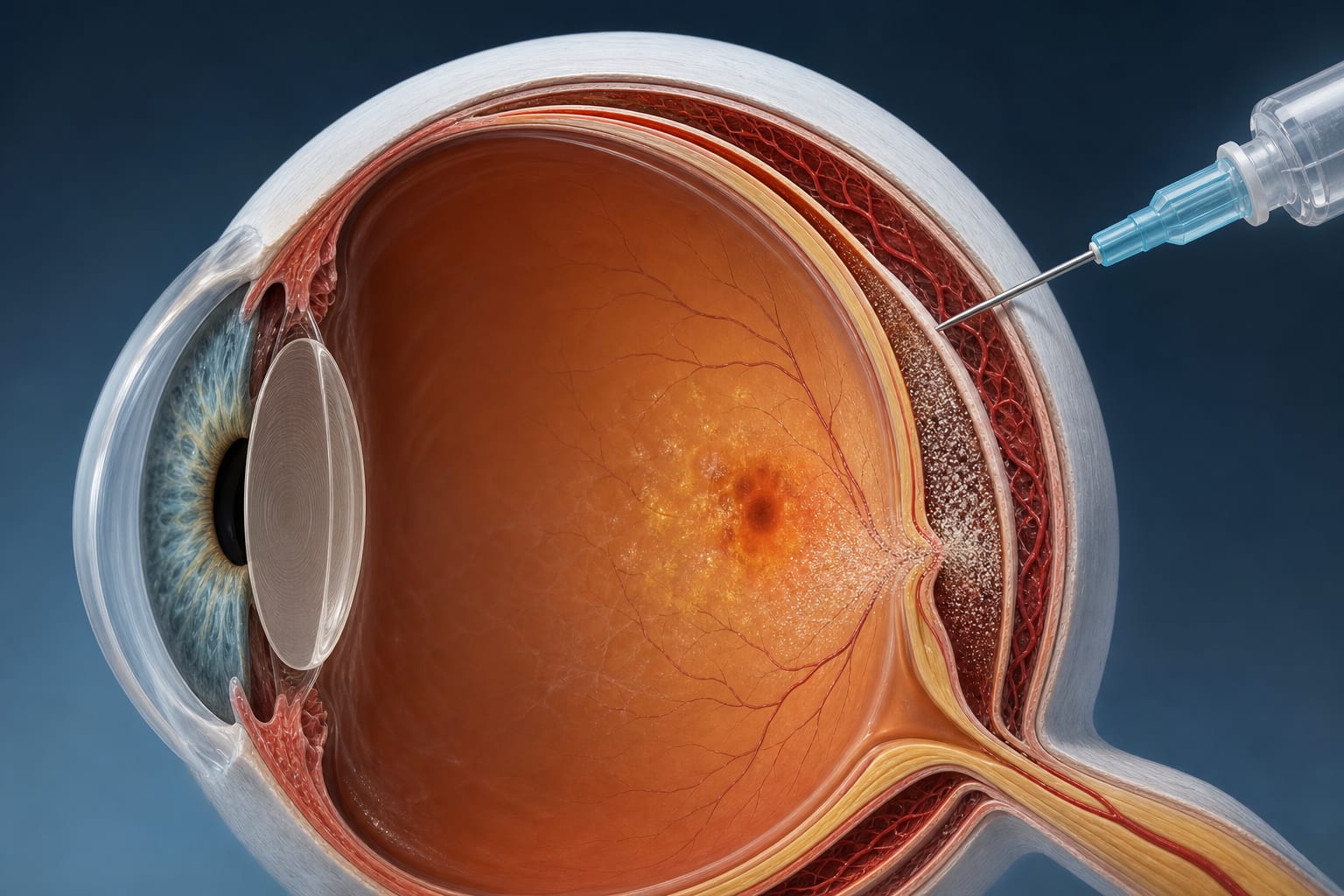
Editorial: Addressing the Challenges of Diabetes Complications and Exploring Innovative Approaches
-
By
-
Khalid Siddiqui
-
Thorsten Siegmund
-
April 29, 2026
-
0 min
Clinical Scorecard: Addressing the Challenges of Diabetes Complications and Exploring Innovative Approaches
At a Glance
| Category | Detail |
|---|---|
| Condition | Diabetes mellitus and its complications including microvascular and macrovascular conditions |
| Key Mechanisms | Complex interplay of metabolic, inflammatory, and vascular pathways contributing to nephropathy, retinopathy, neuropathy, cardiovascular disease, sarcopenia, and cognitive impairment |
| Target Population | Adults with type 2 diabetes worldwide |
| Care Setting | Multidisciplinary clinical settings including primary care, endocrinology, nephrology, ophthalmology, and specialized diabetes care centers |
Key Highlights
- Emerging biomarkers such as the triglyceride-glucose (TyG) index improve cardiovascular and metabolic risk stratification in type 2 diabetes.
- Innovative precision medicine approaches integrate digital phenotypes and clinical biomarkers for diabetic kidney disease management.
- Novel therapeutic and diagnostic advances include anti-inflammatory treatments for diabetic retinopathy, AI-based neuropathy prediction models, and risk prediction for diabetic foot infections.
Guideline-Based Recommendations
Diagnosis
- Utilize biomarkers like the TyG index and atherogenic index of plasma for early detection of metabolic and cardiovascular complications.
- Implement comprehensive screening protocols for microvascular complications including diabetic retinopathy and nephropathy.
- Apply machine learning models to predict diabetic peripheral neuropathy and risk models for multidrug-resistant infections in diabetic foot ulcers.
Management
- Adopt organ-protective therapies aligned with guideline recommendations for cardiovascular, heart failure, and kidney disease in diabetes.
- Incorporate anti-inflammatory treatments such as dexamethasone implants for diabetic retinopathy post-vitrectomy.
- Explore complementary therapies like acupuncture for diabetic retinopathy using evidence-based approaches.
- Emphasize personalized treatment strategies integrating clinical and digital biomarkers for diabetic kidney disease.
Monitoring & Follow-up
- Regularly assess inflammatory markers and metabolic indices to monitor progression of diabetic complications.
- Use standardized screening tools for diabetic sarcopenia to detect musculoskeletal decline early.
- Monitor erythrocyte sedimentation rate (ESR) as a diagnostic aid for diabetic foot osteomyelitis.
Risks
- Recognize the high morbidity and mortality associated with cardiovascular disease in diabetes.
- Address gaps in adherence to guideline-recommended therapies to reduce complications.
- Be vigilant for multidrug-resistant infections in diabetic foot ulcers to prevent hospitalization and amputation.
Patient & Prescribing Data
Adults with type 2 diabetes experiencing or at risk for microvascular and macrovascular complications
Real-world data reveal significant gaps in implementation of organ-protective therapies, underscoring the need for improved healthcare delivery and patient education to optimize outcomes.
Clinical Best Practices
- Integrate novel biomarkers such as the TyG index into routine risk assessment for cardiovascular and metabolic complications.
- Employ multimodal frameworks combining digital phenotyping and clinical biomarkers for precision management of diabetic kidney disease.
- Utilize AI-based predictive models to enable early detection and intervention for diabetic neuropathy.
- Adopt evidence-based anti-inflammatory therapies and consider complementary approaches validated by genetic epidemiology for diabetic retinopathy.
- Implement standardized screening for diabetic sarcopenia to address musculoskeletal complications.
- Apply evidence-based diagnostic thresholds like ESR for managing diabetic foot osteomyelitis and use risk prediction tools for infection control.
References
- Global diabetes prevalence and complications overview
- Sun et al. on TyG index and hyperuricemia in type 2 diabetes
- Chen et al. on TyG index and metabolic syndrome risk
- Li et al. on lipid metabolism and ASCVD in diabetic kidney disease
- Meng et al. on multimodal framework for diabetic kidney disease
- Zhang et al. on epidemiology of diabetic nephropathy in China
- Wu et al. on association between diabetic retinopathy and kidney disease
- Zhang et al. on dexamethasone implants for diabetic retinopathy
- El-Asrar et al. on PGC-1α/ERR-α pathway in proliferative diabetic retinopathy
- Sun et al. on machine learning model for diabetic neuropathy prediction
- Yin et al. on screening tools for diabetic sarcopenia
- Liu et al. on ESR diagnostic value for diabetic foot osteomyelitis
- Zang et al. on risk prediction for multidrug-resistant infections in diabetic foot ulcers
This content is an AI-generated, fully rewritten summary based on a published scholarly article. It does not reproduce the original text and is not a substitute for the original publication. Readers are encouraged to consult the source for full context, data, and methodology.