Clinical Scorecard: Trends in the Utilization of High-Flow Nasal Cannula and Continuous Positive Airway Pressure for Acute Bronchiolitis in Infants in Norway
At a Glance
Category
Detail
Condition
Acute Bronchiolitis in Infants
Key Mechanisms
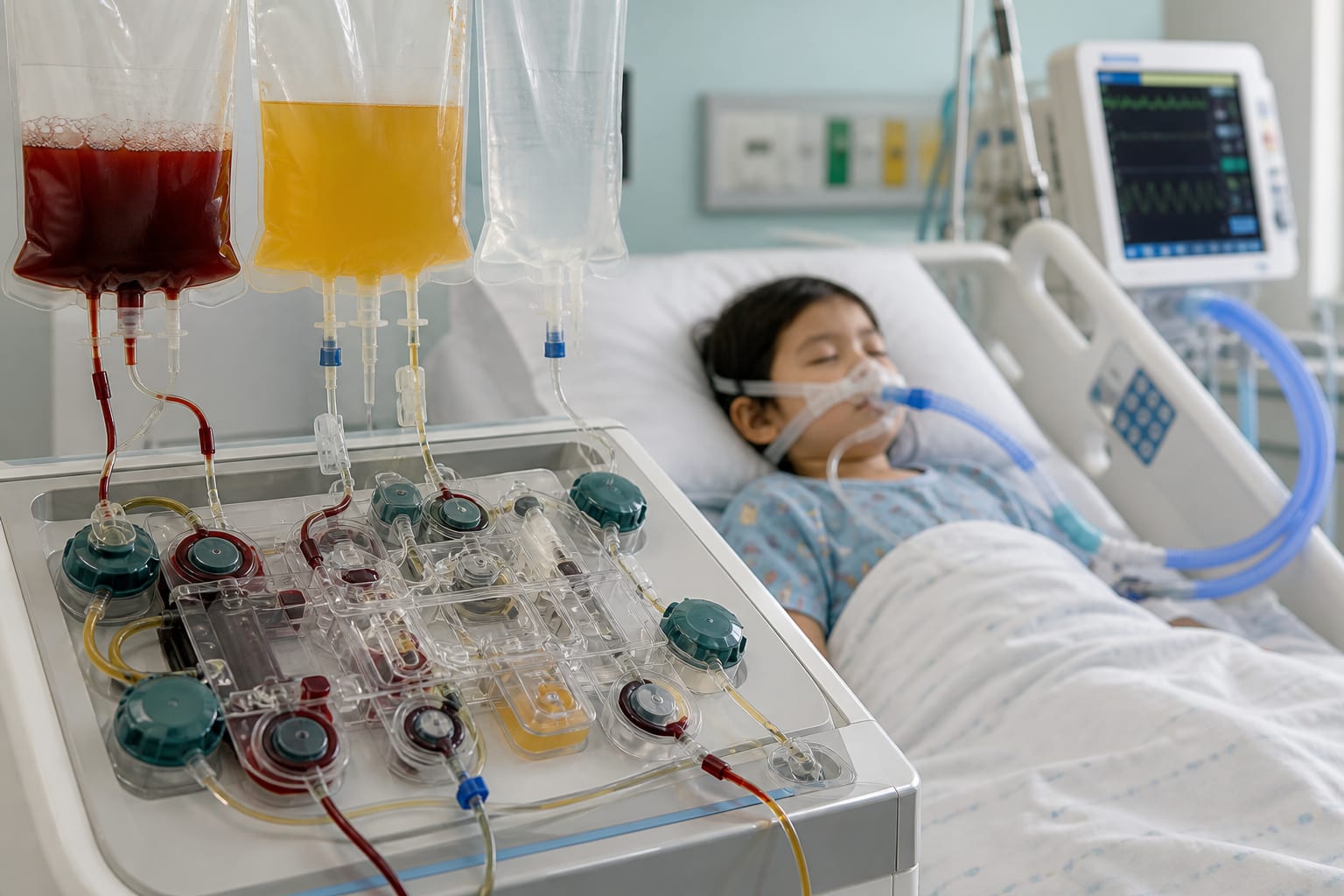
Use of High-Flow Nasal Cannula (HFNC) and Continuous Positive Airway Pressure (CPAP) for respiratory support.
Target Population
Infants < 12 months hospitalized for bronchiolitis.
Care Setting
Paediatric departments in hospitals.
Key Highlights
2%–3% of infants are hospitalized for bronchiolitis during their first year of life.
HFNC is better tolerated than CPAP and has fewer reported side effects.
Both HFNC and CPAP may reduce the need for mechanical ventilation.
Guideline-Based Recommendations
Diagnosis
Diagnosis of bronchiolitis is based on clinical characteristics and diagnostic tests.
Management
Standard oxygen therapy (SOT) is used for mild to moderate respiratory distress.
CPAP is used as rescue therapy for those failing SOT.
Monitoring & Follow-up
Close surveillance is required for infants receiving CPAP.
Risks
Concerns for overuse of HFNC and CPAP due to resource demands.
Patient & Prescribing Data
Infants < 12 months hospitalized for bronchiolitis.
HFNC has replaced CPAP as the most common respiratory support in many paediatric wards.
Clinical Best Practices
Minimal handling is recommended during treatment.
Clear guidelines for HFNC and CPAP use should be established.
by Knut Øymar, Joel Selvakumar, Maren Våland Øymar, Ingvild Dalen, Ken Erik Klaseie, Ujinthini Sivanantham, Kasper Øvsthus, Inger Heimdal, Kari Holte, Kari Risnes, Ketil Størdal, Claus Klingenberg