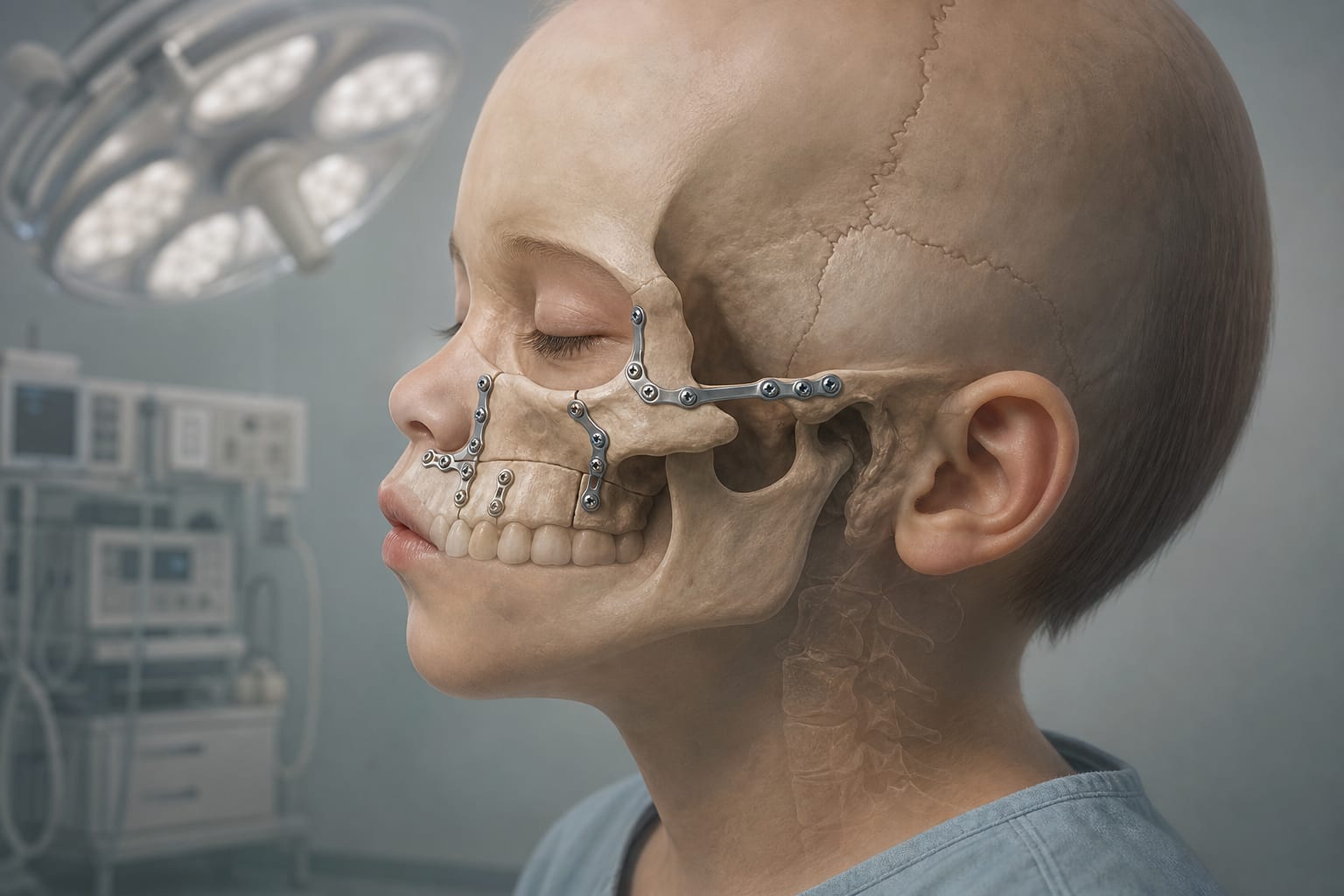
Clinical Scorecard: The Role of Anaesthesia in Tumour Development and Progression
At a Glance
Category
Detail
Condition
Solid tumours requiring surgical treatment
Key Mechanisms
Anaesthetic agents influence tumour cells, tumour microenvironment, and immune system interactions affecting tumour progression and patient outcomes
Target Population
Patients undergoing cancer surgery across various tumour types and ages
Care Setting
Perioperative and anaesthetic care during cancer surgery
Key Highlights
Propofol exhibits direct antitumour effects including inhibition of proliferation, migration, invasion, and induction of apoptosis via micro-RNA modulation and signalling pathway inhibition.
Sevoflurane may suppress immune function but could enhance effects of immune checkpoint inhibitors by modulating tumour-associated macrophages and PD-L1 expression.
Clinical evidence on anaesthetic choice impact on cancer outcomes is conflicting, with retrospective studies suggesting potential benefits of total intravenous anaesthesia (TIVA) but prospective randomized trials showing no significant survival differences.
Guideline-Based Recommendations
Diagnosis
No specific diagnostic recommendations related to anaesthesia; focus remains on standard cancer diagnosis and staging.
Management
Anaesthetic technique choice (TIVA vs inhalational) should consider patient condition, surgical procedure, and potential impact on tumour biology.
Use of propofol-based TIVA may preserve immunological function and increase chemosensitivity in certain cancers.
Balanced anaesthesia with sevoflurane remains a valid option, especially for patients with cardiovascular issues or pediatric inhalational induction.
Monitoring & Follow-up
Monitor oxygen saturation, pain management, and prophylaxis for postoperative nausea and vomiting (PONV) as part of perioperative care.
Follow-up for tumour recurrence and survival outcomes is essential to evaluate long-term effects of anaesthetic choices.
Risks
Potential immunosuppression with inhalational agents like sevoflurane may influence tumour progression.
Confounding factors and lack of definitive evidence necessitate cautious interpretation of anaesthetic impact on cancer outcomes.
Patient & Prescribing Data
Patients undergoing surgery for solid tumours including breast, colorectal, ovarian, pancreatic, gallbladder, cervical, and lung cancers.
Propofol-based TIVA may improve chemosensitivity and preserve immune function; sevoflurane may modulate tumour microenvironment differently, with possible benefits when combined with immunotherapy.
Clinical Best Practices
Individualize anaesthetic technique based on patient health status, tumour type, and surgical requirements.
Consider potential immunoprotective effects of propofol in perioperative planning for cancer surgery.
Maintain vigilant perioperative monitoring including oxygenation, analgesia, and PONV prophylaxis.
Await results from ongoing prospective studies before making definitive changes to anaesthetic protocols solely based on cancer outcome considerations.
A long-term cohort study found that obesity was not associated with worse patient-reported outcomes or higher reoperation rates following total ankle replacement in optimized surgical candidates.