Perampanel use in pediatric autoimmune encephalitis-related seizures and epilepsy: a retrospective case series
-
By
-
Jiaqin Yi
-
Qing Lu
-
Ling Hu
-
Jiehui Ma
-
Qiaoqiao Qian
-
Dan Sun
-
May 26, 2026
Clinical Scorecard: Utilization of Perampanel for Seizures and Epilepsy in Children with Autoimmune Encephalitis: A Retrospective Case Analysis
At a Glance
| Category | Detail |
|---|
| Condition | Autoimmune Encephalitis-related Seizures and Epilepsy |
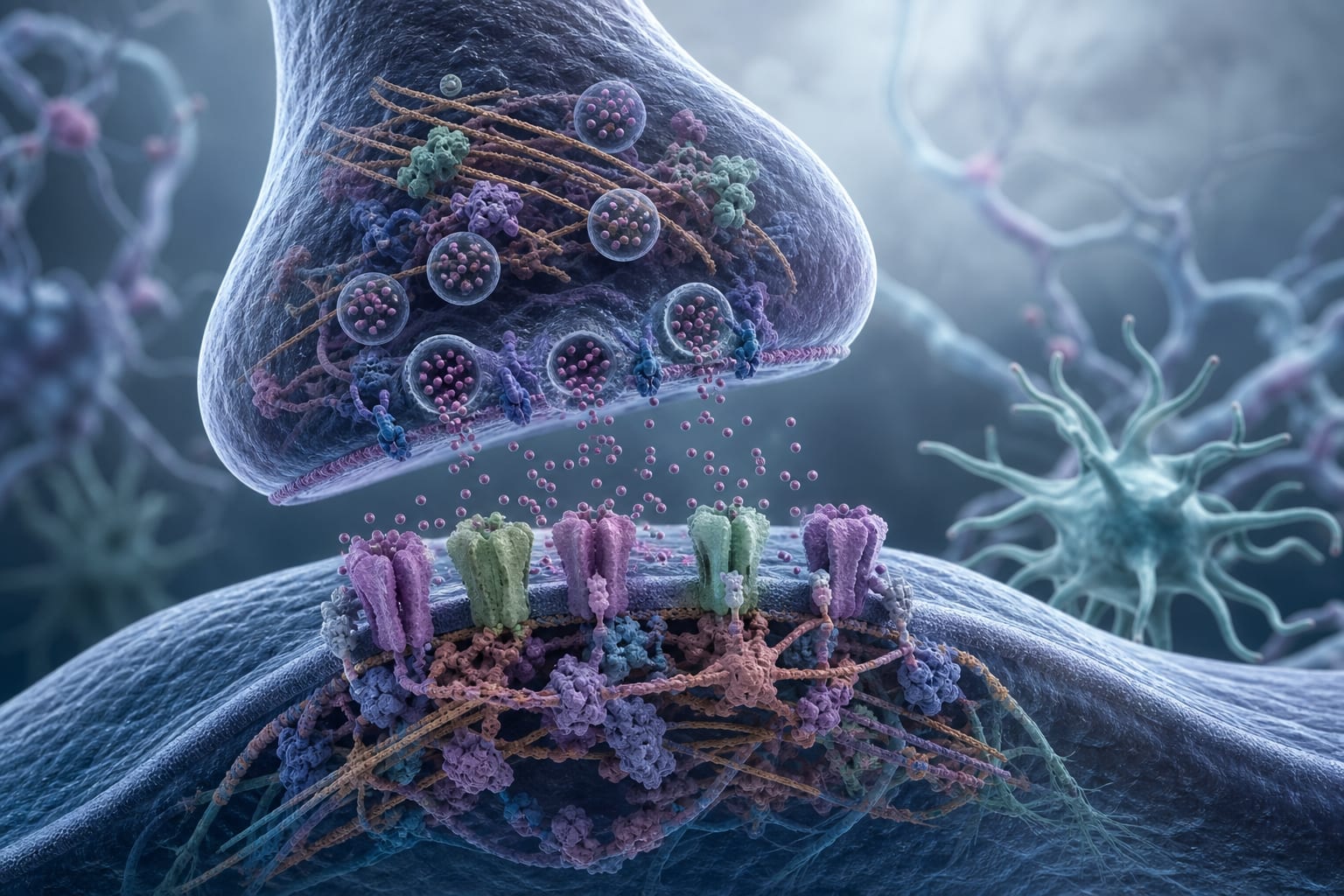
| Key Mechanisms | Involvement of AMPAR-mediated excitotoxicity in inflammatory processes and epileptogenic mechanisms. |
| Target Population | Pediatric patients aged 0–18 years diagnosed with autoimmune encephalitis. |
| Care Setting | Department of Pediatric Neurology at Wuhan Children’s Hospital. |
Key Highlights
- 14 pediatric patients treated with Perampanel (PER) for AE-related seizures.
- 42.8% of patients in the ASSAE group achieved seizure resolution during the acute phase.
- 57.1% of patients in the AAE group achieved a ≥ 50% reduction in seizure frequency at 3 months.
- 42.8% of patients in the AAE group achieved seizure freedom at the 3-month endpoint.
- No serious adverse events reported.
Guideline-Based Recommendations
Diagnosis
- Comprehensive diagnostic work-up including blood tests, CSF analysis, brain MRI, and EEG.
Management
- Use of Perampanel as an adjunctive treatment for seizures in pediatric patients with AE.
Monitoring & Follow-up
- Monitor seizure frequency and adverse events during treatment.
Risks
- Potential for adverse events, though none were reported in this study.
Patient & Prescribing Data
Pediatric patients diagnosed with autoimmune encephalitis.
Median maintenance dose of PER ranged from 2 to 4 mg per day.
Clinical Best Practices
- Consider Perampanel for seizure management in pediatric autoimmune encephalitis.
- Assess for concomitant treatments and immunotherapy.
Related Resources & Content