An XGBoost-based model for detecting undiagnosed type 2 diabetes using routine physical and lifestyle data from a multi-center Chinese population - Scorecard - MDSpire

An XGBoost-based model for detecting undiagnosed type 2 diabetes using routine physical and lifestyle data from a multi-center Chinese population

  • By

  • Hui Xiao

  • Qian Xi

  • Ping Zeng

  • Jinjuan Hao

  • Qinghua He

  • Xiaoxia Wang

  • Chi Zhang

  • June 24, 2026

  • 0 min

Share

Clinical Scorecard: A Machine Learning Approach Utilizing XGBoost for Identifying Undiagnosed Type 2 Diabetes Through Routine Health and Lifestyle Data in a Multi-Center Chinese Cohort
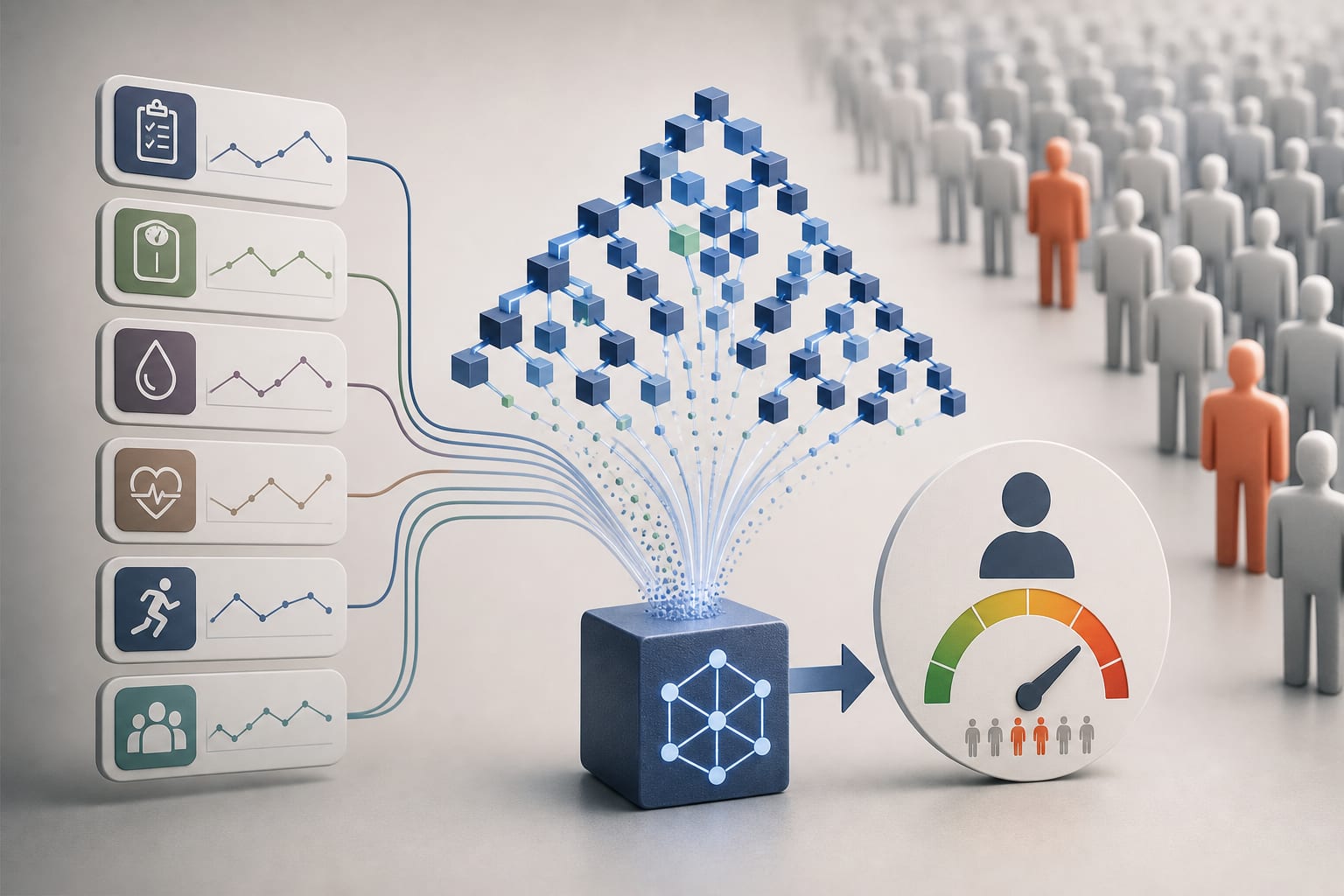
At a Glance

CategoryDetail
ConditionType 2 Diabetes (T2D)
Key MechanismsHyperglycemia, insulin resistance, chronic low-grade inflammation
Target PopulationIndividuals aged 16 years or older undergoing routine health checkups in China
Care SettingMulti-center health checkup population

Key Highlights

  • Developed an XGBoost model to identify undiagnosed T2D using routine health data.
  • Model achieved an AUC of 77.2% in the independent test set.
  • Fasting blood glucose was the most influential predictor (50.6%).
  • Study included data from 12 tertiary hospitals in China.
  • Model aims to assist in clinical decision-making for T2D screening.

Guideline-Based Recommendations

Diagnosis

  • Utilize routine health checkup data for identifying undiagnosed T2D.

Management

  • Flag high-risk individuals for further diagnostic testing.

Monitoring & Follow-up

  • Assess model performance using AUC and other relevant metrics.

Risks

  • Undiagnosed T2D can lead to chronic diseases and complications.

Patient & Prescribing Data

Individuals with routine health checkup data, excluding those with known diabetes or significant comorbidities.

The model can support referrals to diabetes educators or lifestyle counselors.

Clinical Best Practices

  • Incorporate machine learning models into routine health screenings.
  • Focus on early diagnosis and timely treatment of T2D.

Related Resources & Content

Original Source(s)

Related Content