Integrating Diverse Evidence and Technological Supports for Adults with Autism: A Framework for Research and Clinical Practice
By
David Ruttenberg
June 4, 2026
Clinical Scorecard: Integrating Diverse Evidence and Technological Supports for Adults with Autism: A Framework for Research and Clinical Practice
At a Glance
Category Detail
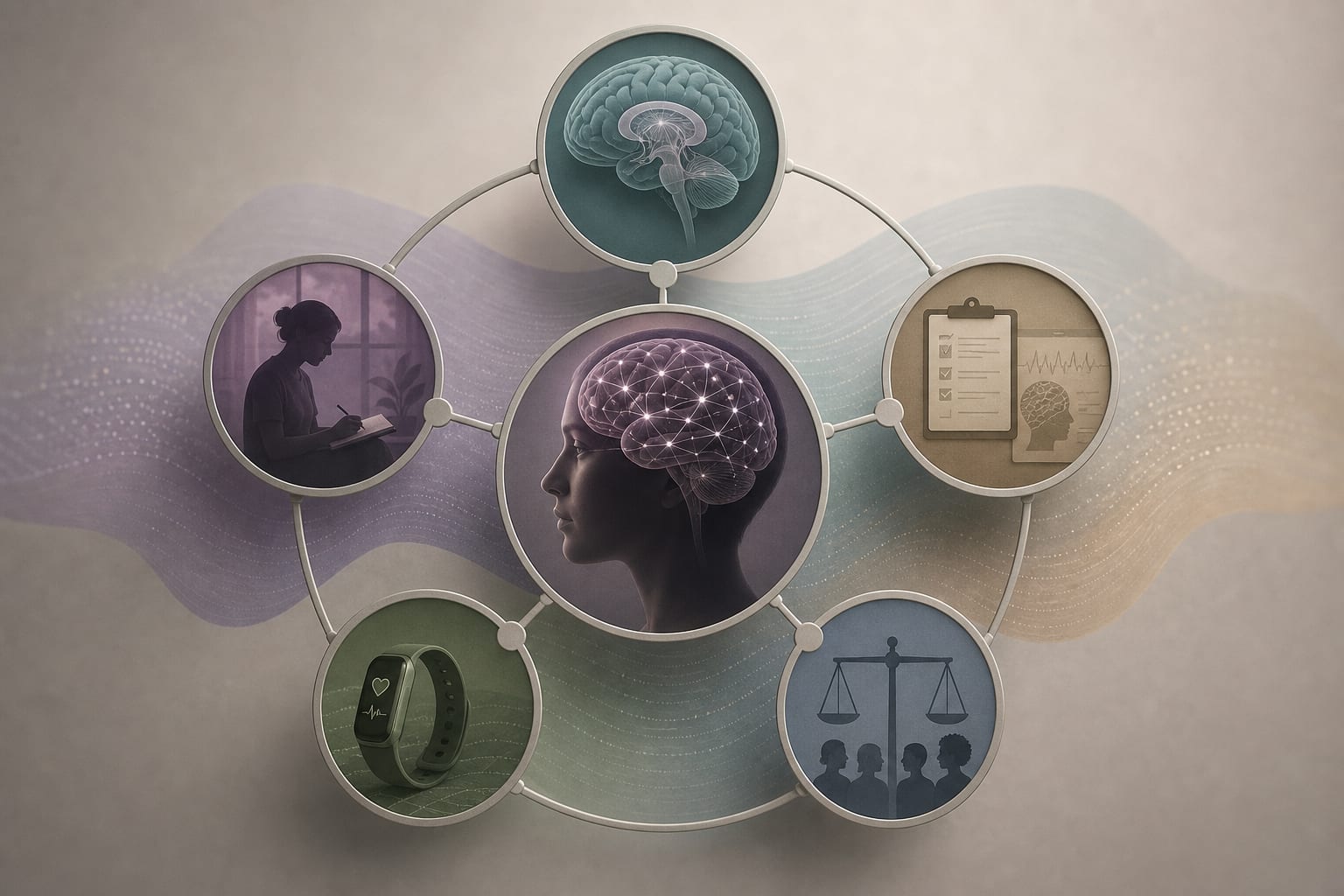
Condition Key Mechanisms Evidential pluralism integrating diverse forms of evidence including neuroscience, physiology, and lived experience. Target Population Care Setting
Key Highlights
Challenges to the legitimacy of autistic neurology due to deficit-centric frameworks. Evidential pluralism proposed as a new framework for understanding autism. Integration of diverse evidence types is essential for robust causal inference. Technological supports, including wearable devices, can aid autistic adults. Guideline-Based Recommendations
Diagnosis
Utilize psychometric, developmental, and longitudinal evidence for diagnostic claims. Management
Implement evidence-based interventions that consider diverse forms of knowledge. Monitoring & Follow-up
Employ technology-enabled monitoring to gather longitudinal physiological data. Risks
Address potential biases in diagnostic processes related to gender and support needs. Patient & Prescribing Data
Accommodations should be viewed as rights rather than privileges.
Clinical Best Practices
Integrate multiple forms of evidence in clinical assessments. Recognize the importance of lived experience in understanding autism. Ensure rigorous validation and privacy safeguards for technological interventions. Related Resources & Content