The Future of Spine Surgery: How the Globus ExcelsiusGPS System is Transforming Precision and Patient Outcomes at Overlook Medical Center - Scorecard - MDSpire
Conexiant’s news site is now MDSpire News. Learn more
Advertisement
The Future of Spine Surgery: How the Globus ExcelsiusGPS System is Transforming Precision and Patient Outcomes at Overlook Medical Center
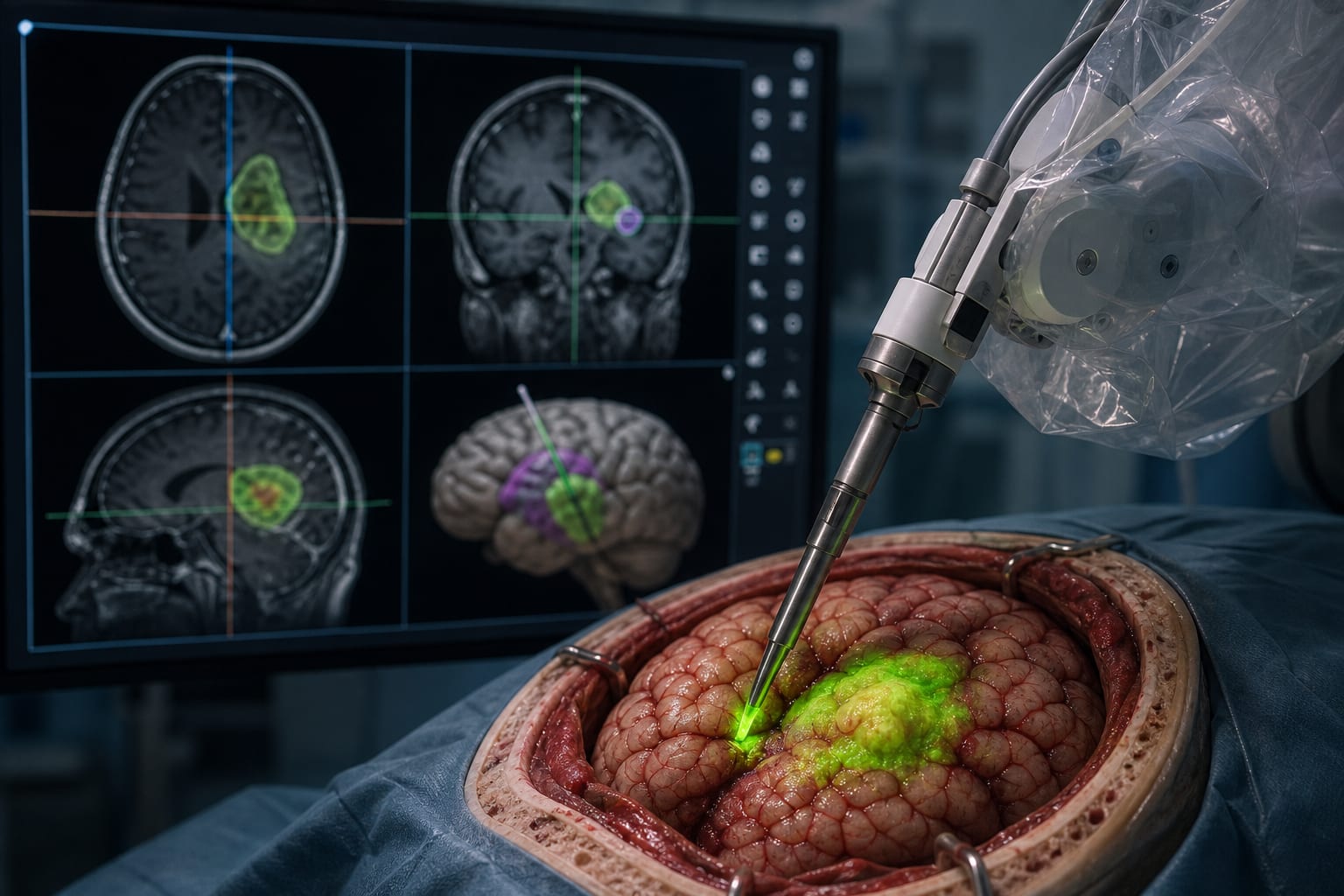
Spine surgery has entered a new era, one where precision, safety, and efficiency define the gold standard of care. At Overlook Medical Center, part of Atlantic Health, the introduction of the Globus ExcelsiusGPS robotic navigation system for spine surgery is not just an advancement—it’s a legitimate breakthrough. For physicians, ensuring the best outcomes for their patients is a top priority. With the robotic surgical system at Overlook Medical Center, you can confidently refer patients knowing they’ll receive the most advanced, minimally invasive spinal care available today.
Clinical Scorecard: The Future of Spine Surgery: How the Globus ExcelsiusGPS System is Transforming Precision and Patient Outcomes at Overlook Medical Center
At a Glance
Category
Detail
Condition
Spinal deformities, degenerative spine conditions
Key Mechanisms
Robotic navigation system providing real-time 3D navigation and robotic guidance for precision in spinal surgery.
Target Population
Patients requiring spinal surgery, particularly those with complex cases.
Care Setting
Overlook Medical Center, part of Atlantic Health
Key Highlights
98% precision in screw and implant placement.
Minimally invasive approach reduces blood loss and post-operative pain.
Elimination of fluoroscopy reduces radiation exposure for patients and surgical team.
Real-time feedback loop enhances surgical safety and accuracy.
Faster recovery times and improved patient outcomes.
Guideline-Based Recommendations
Diagnosis
Utilize advanced imaging techniques to assess spinal conditions.
Management
Consider robotic-assisted surgery for complex spinal cases.
Monitoring & Follow-up
Regular follow-up to assess recovery and spinal stability.
Risks
Minimize risks of misplaced implants and nerve injury through robotic guidance.
Patient & Prescribing Data
Individuals with spinal deformities, degenerative conditions, or anatomical challenges.
Robotic-assisted surgery leads to fewer complications and faster recovery compared to traditional methods.
Clinical Best Practices
Adopt robotic navigation systems for enhanced precision in spinal surgeries.
Implement minimally invasive techniques to reduce recovery times.
Ensure continuous training and updates on robotic systems for surgical teams.