Clinical Scorecard: Reattachment of Tuberosities in Reverse Shoulder Arthroplasty for Proximal Humerus Fractures: A Two-Year Prospective Cohort Analysis
At a Glance
Category
Detail
Condition
Proximal Humerus Fractures
Key Mechanisms
Reverse shoulder arthroplasty enhances deltoid lever arm function and improves shoulder motion.
Target Population
Older adults with acute displaced or dislocated proximal humerus fractures.
Care Setting
Acute care hospitals performing orthopedic surgeries.
Key Highlights
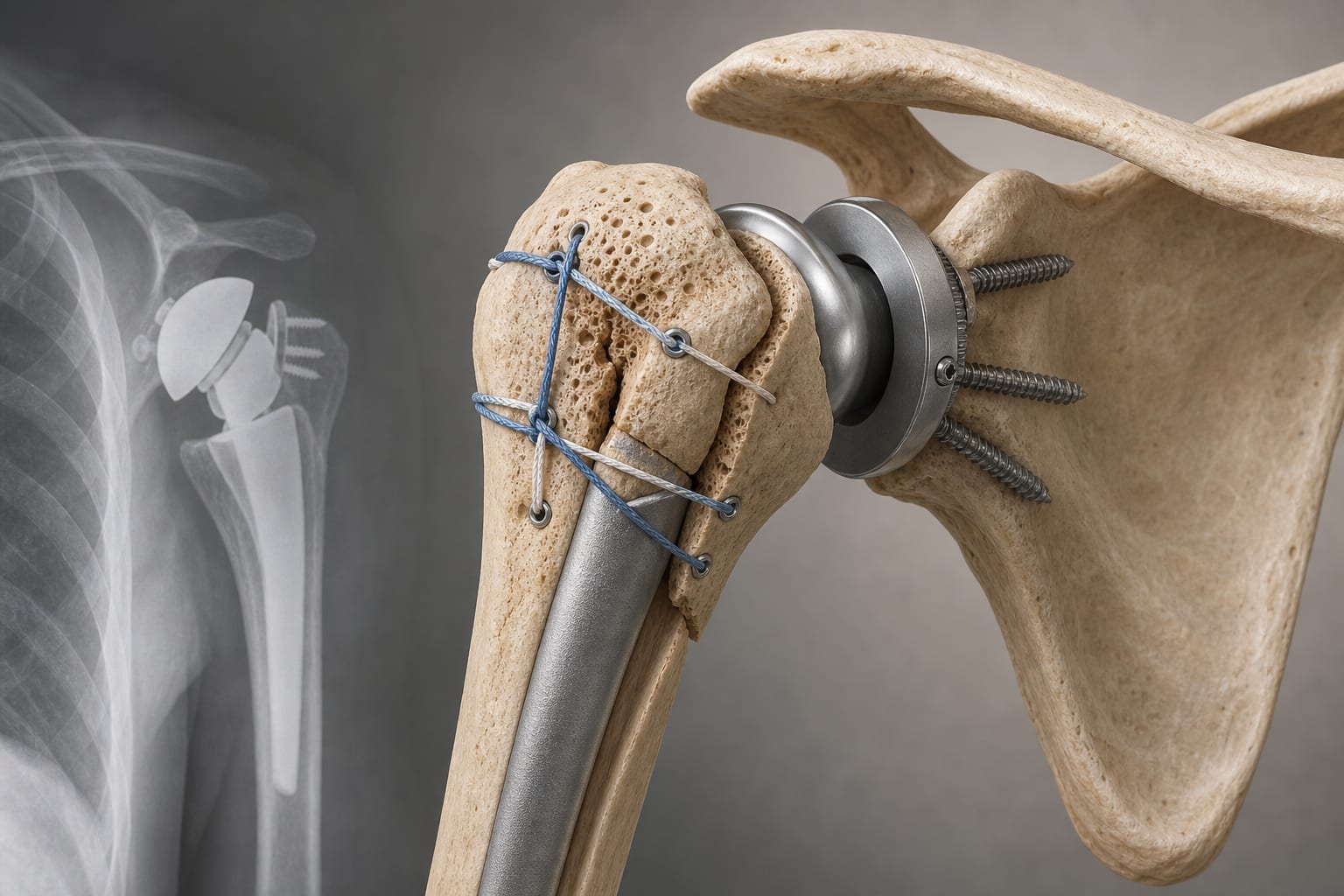
Greater tuberosity healing is crucial for optimal outcomes in reverse shoulder arthroplasty.
A simplified refixation technique using two strong sutures was evaluated.
Anatomical refixation may improve external rotation and reduce complications.
Guideline-Based Recommendations
Diagnosis
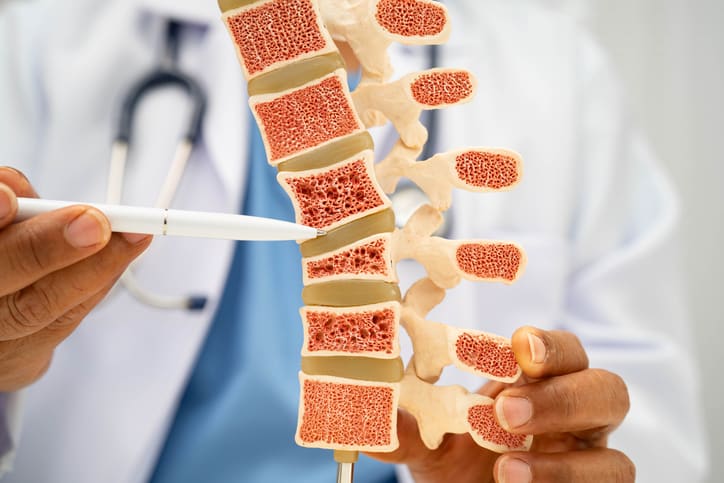
Evaluate osteoporosis status preoperatively using the Deltoid Tuberosity Index.
Management
Use the Global Unite Fracture Reverse System for tuberosity refixation.
Monitoring & Follow-up
Assess radiologic greater tuberosity healing and clinical outcomes at follow-up.
Risks
Consider potential complications related to cement use in osteoporotic bone.
Patient & Prescribing Data
Patients with acute displaced or dislocated two-, three-, and four-part fractures.
The two-suture construct may facilitate easier adoption by less-experienced surgeons.
Clinical Best Practices
Preserve rotator cuff tissue attached to the greater tuberosity during fixation.
Perform meticulous dissection and preparation of the greater tuberosity.
As osteoporosis treatment continues to evolve, clinicians are moving beyond bone mineral density scores alone and placing greater emphasis on fracture risk when making therapeutic decisions