The Impact of Anesthesiologists on Mitigating Chronic Post-Surgical Pain and Opioid Dependence Through Neurobiological Strategies: A Brief Review - Scorecard - MDSpire
Advertisement
The Impact of Anesthesiologists on Mitigating Chronic Post-Surgical Pain and Opioid Dependence Through Neurobiological Strategies: A Brief Review
Clinical Scorecard: The Impact of Anesthesiologists on Mitigating Chronic Post-Surgical Pain and Opioid Dependence Through Neurobiological Strategies: A Brief Review
At a Glance
Category
Detail
Condition
Key Mechanisms
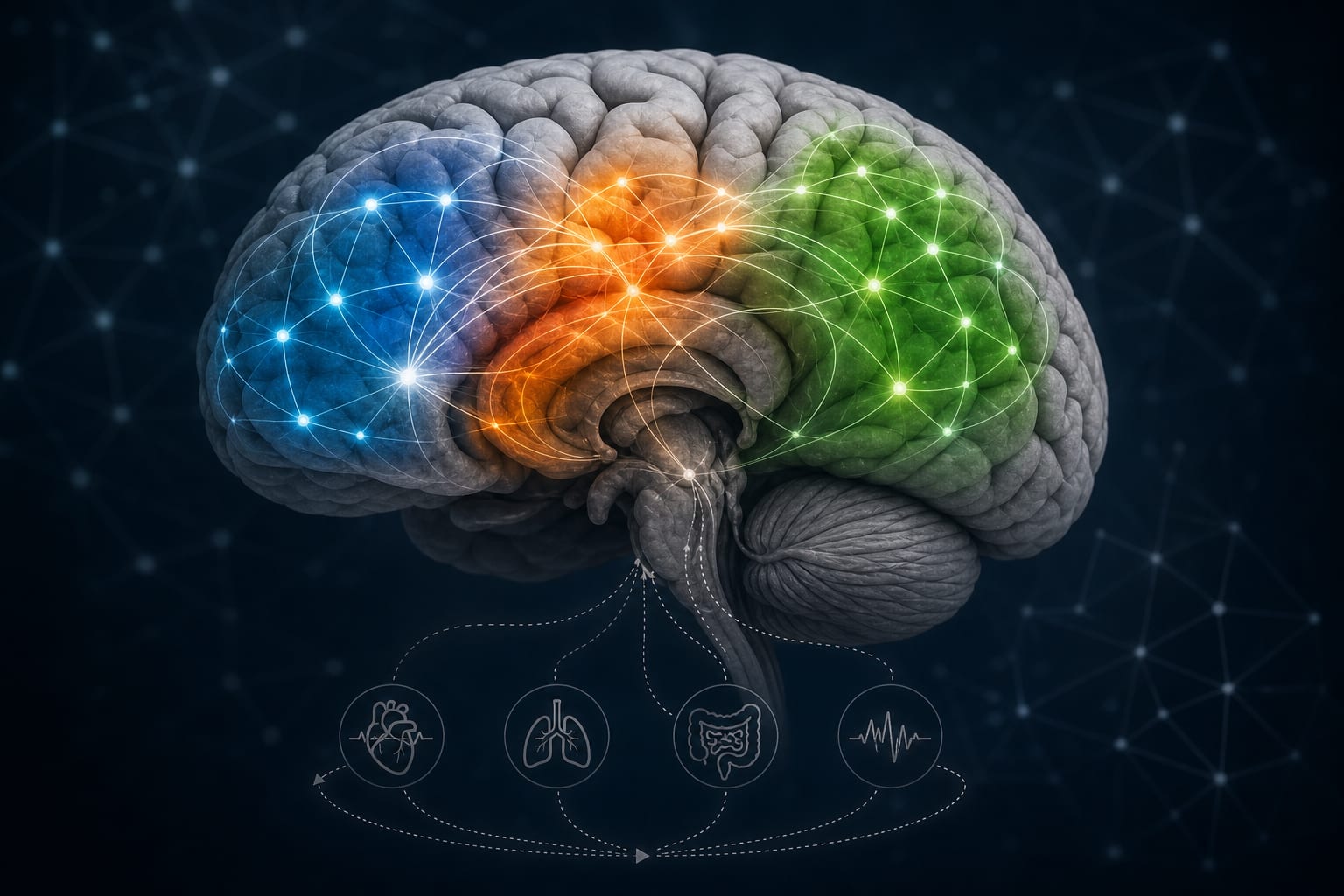
Central sensitization, neuroinflammation, epigenetic changes, gut-brain axis disruption, and their implications.
Target Population
Care Setting
Key Highlights
CPSP defined as pain persisting for ≥3 months localized to surgical field
COU defined as prolonged opioid use in the postsurgical year
Preoperative psychosocial factors are key risk predictors
Regional anesthesia and targeted non-opioids can mitigate CPSP and COU
Precision medicine approach is essential for effective management
Guideline-Based Recommendations
Diagnosis
Management
Monitoring & Follow-up
pain_levels
opioid_use
Risks
Patient & Prescribing Data
Patients undergoing surgeries with high risk for CPSP and COU
Precision medicine and individualized risk mitigation strategies are crucial
Clinical Best Practices
Conduct thorough preoperative risk assessments
Utilize regional anesthesia techniques for high-risk procedures
Incorporate non-opioid adjuncts like intravenous lidocaine
In a target-trial emulation of more than 600,000 veterans, GLP-1 RA initiators saw fewer new substance use disorders—and patients with existing SUDs had fewer overdoses, hospitalizations, and deaths.