Impact of body mass index on dietary habits and health behaviors in breast cancer patients
Clinical Scorecard: Influence of Body Mass Index on Nutrition Choices and Health Practices Among Women with Breast Cancer
At a Glance
Category Detail
Condition Breast Cancer Key Mechanisms Impact of BMI on dietary habits and health behaviors. Target Population Women diagnosed with breast cancer, aged 31-65 years. Care Setting Breast Surgical Oncology Department, Greater Poland Cancer Center.
Key Highlights
Higher BMI associated with poorer metabolic and behavioral profiles. Group 1 (normal BMI) had better dietary quality than Group 2 (above normal BMI). Insufficient nutritional knowledge reported in both groups. Higher prevalence of tobacco use and lower physical activity in women with excess weight. Need for targeted nutritional and behavioral interventions in oncological care. Guideline-Based Recommendations
Diagnosis
Assess BMI as a modifiable risk factor for breast cancer. Management
Implement dietary education and physical activity promotion. Monitoring & Follow-up
Regularly evaluate dietary habits and health behaviors post-diagnosis. Risks
Women with excess weight face higher risk of recurrence and poorer treatment response. Patient & Prescribing Data
Women diagnosed with breast cancer, aged 31-65 years.
Focus on improving dietary quality and promoting physical activity.
Clinical Best Practices
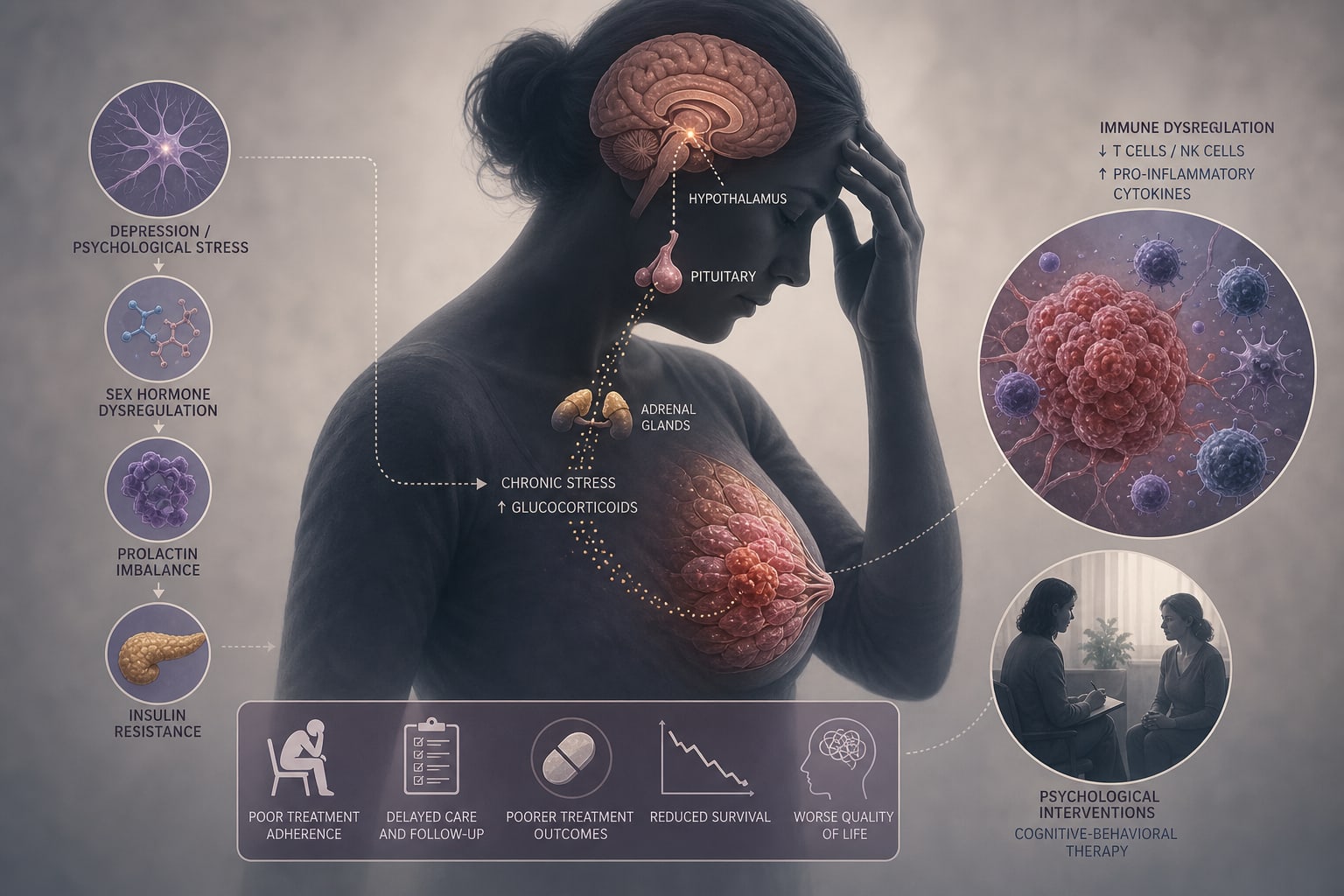
Integrate lifestyle modifications into standard oncological care. Address sleep hygiene and psychological stress in treatment plans. Utilize validated questionnaires for assessing dietary habits and health behaviors. Related Resources & Content