Identifying Immune Cell Populations Linked to Disease Activity in Cardiac Sarcoidosis Through Inflammatory Signatures
By
Tobias Harm
Stella E. Autenrieth
Katharina Mezger
Anne-Katrin Rohlfing
Helmut Dittman
Christian la Fougère
Konstantin Nikolaou
Patrick Krumm
Meinrad Gawaz
Karin Anne Lydia Müller
Simon Greulich
May 18, 2026
Clinical Scorecard: Identifying Immune Cell Populations Linked to Disease Activity in Cardiac Sarcoidosis Through Inflammatory Signatures
At a Glance
Category Detail
Condition Cardiac Sarcoidosis Key Mechanisms Granuloma formation, inflammation, and fibrosis in cardiac tissue. Target Population Patients with biopsy-proven extracardiac sarcoidosis and suspected cardiac involvement. Care Setting Ambulatory setting with imaging and blood sampling.
Key Highlights
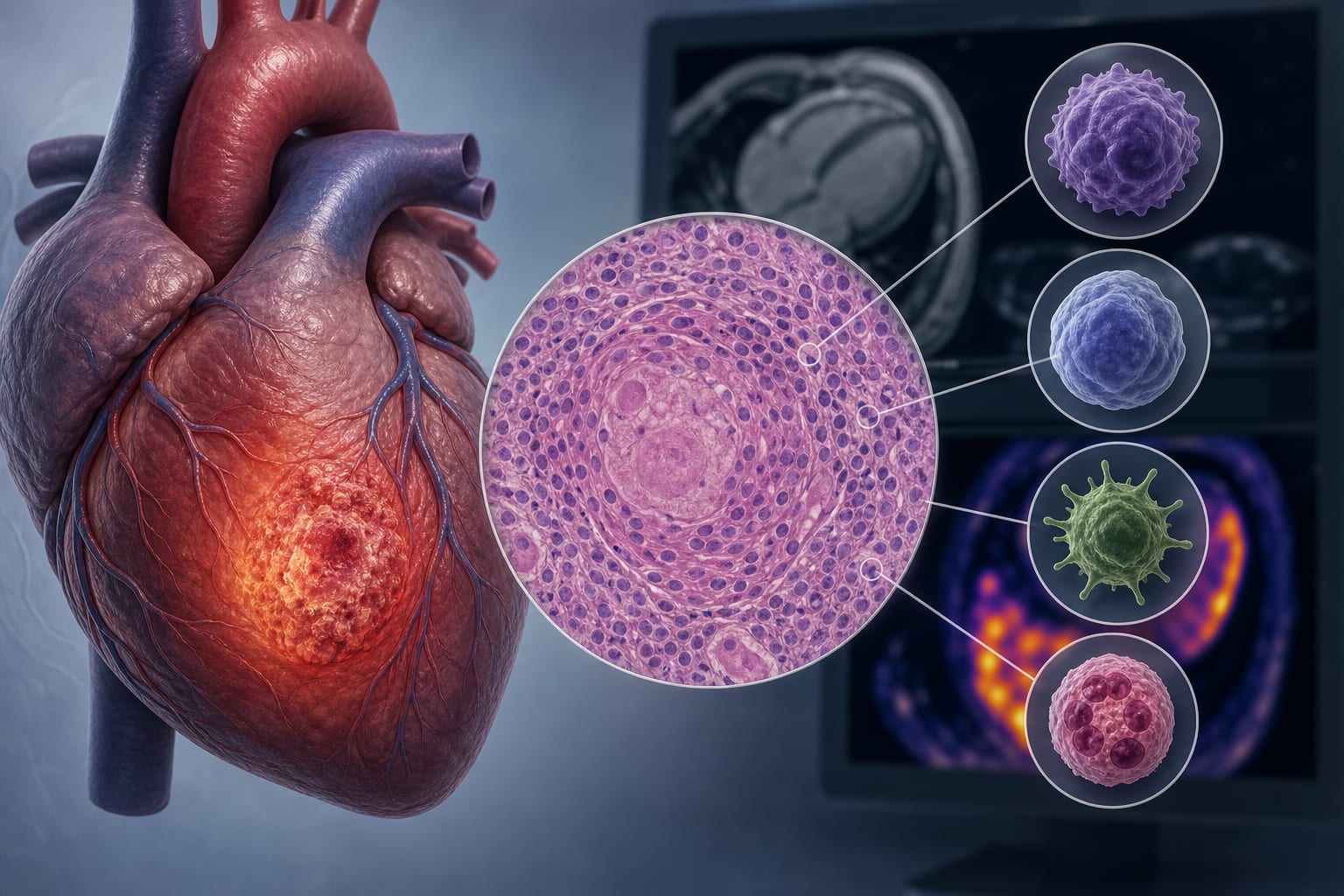
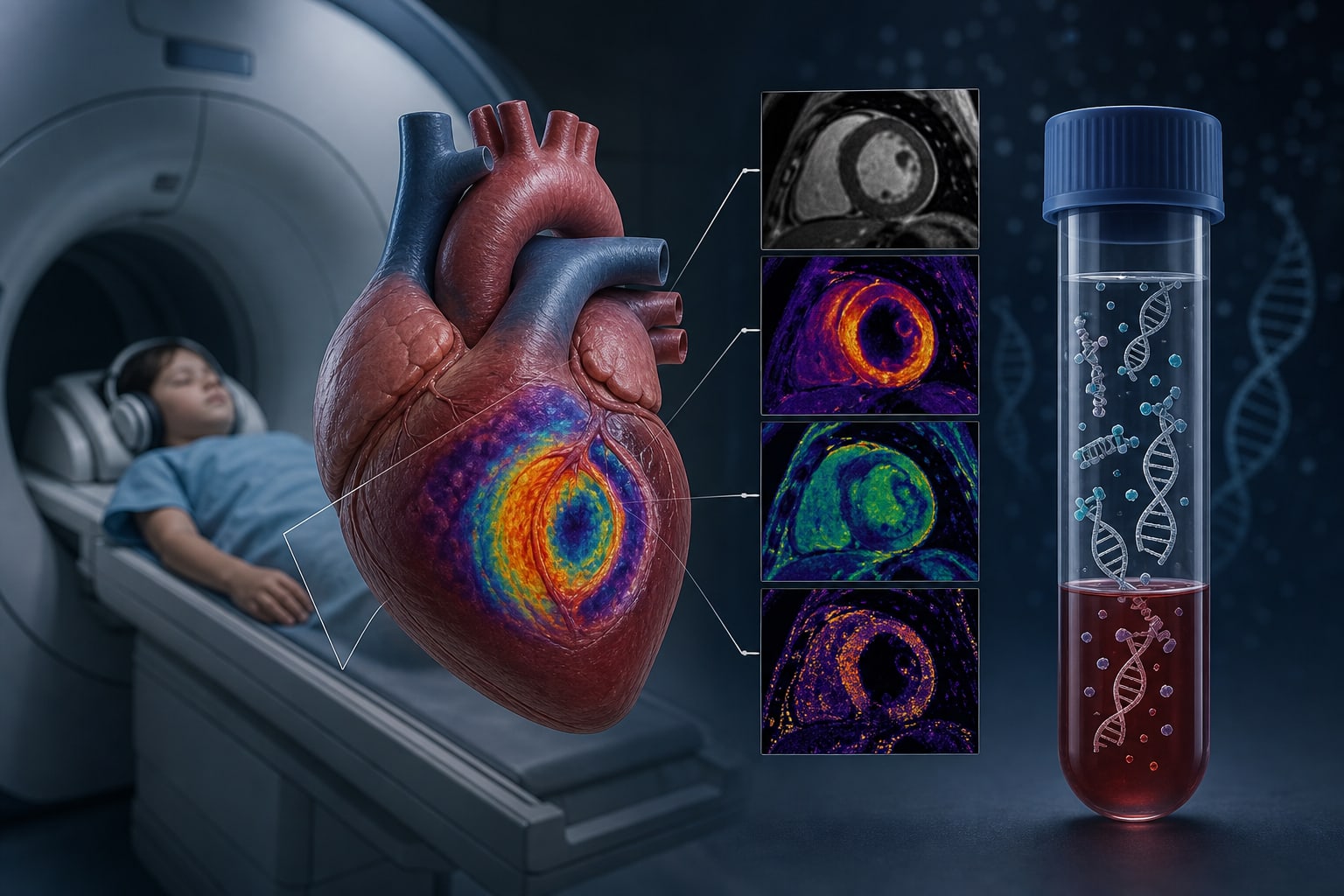
Cardiac sarcoidosis can lead to heart failure or malignant arrhythmia. Hybrid CMR/FDG-PET imaging improves diagnosis and classification of disease activity. Inflammatory biomarkers like interleukin-2 receptor and angiotensin-converting enzyme are important for diagnosis. CD4+ and CD8+ lymphocytes, monocytes are crucial in granulomatous diseases. Early stratification of disease activity is essential to prevent disease progression. Guideline-Based Recommendations
Diagnosis
Use hybrid CMR/FDG-PET imaging for accurate diagnosis of cardiac sarcoidosis. Management
Initiate corticosteroids as first-line therapy; consider azathioprine as second-line for corticosteroid toxicity. Monitoring & Follow-up
Assess inflammatory biomarkers and imaging findings to monitor disease activity. Risks
Potential for irreversible fibrosis and life-threatening cardiac events. Patient & Prescribing Data
Patients with biopsy-proven extracardiac sarcoidosis and suspected cardiac involvement.
Corticosteroids are the primary treatment; azathioprine is used for corticosteroid-related toxicity.
Clinical Best Practices
Conduct thorough imaging and blood sampling before treatment initiation. Follow a low-carbohydrate diet prior to imaging to minimize confounding factors. Utilize comprehensive flow cytometry for cellular analysis in patients. Related Resources & Content