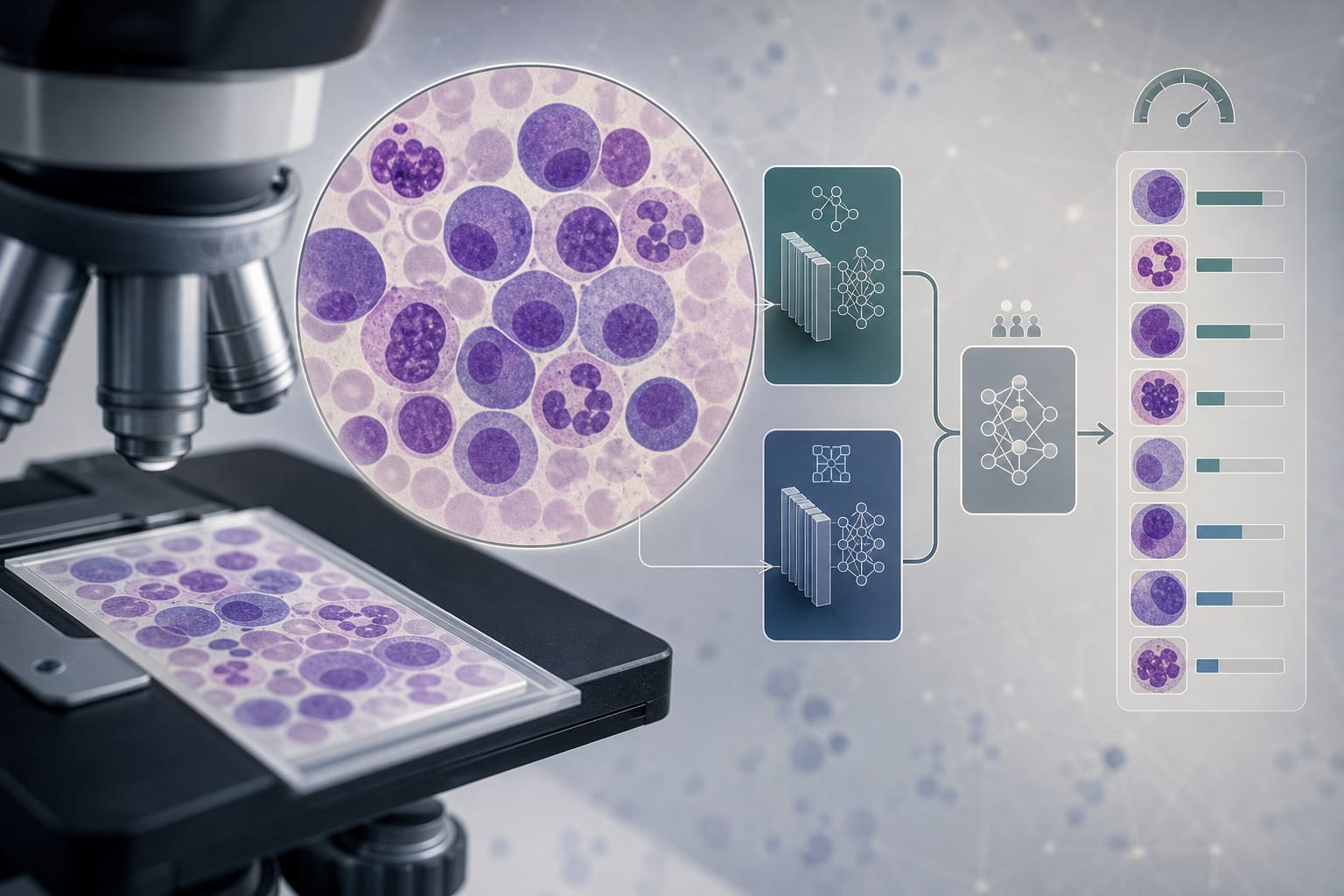
Clinical Scorecard: Utilizing Artificial Intelligence in Cardio-Oncology: Unraveling Mechanisms, Anticipating Toxicity, and Tailoring Cancer Treatments
At a Glance
Category
Detail
Condition
Cancer therapy-related cardiovascular toxicity (CTR-CVT)
Key Mechanisms
AI-driven integration of multi-omics, imaging, and biosensor data to decode cardiotoxicity pathways.
Target Population
Cancer patients undergoing therapy with potential cardiovascular risks.
Care Setting
Oncology and cardiology clinics utilizing advanced AI technologies.
Key Highlights
AI enhances early detection and risk stratification of cardiotoxicity.
Integration of multi-omics data reveals shared mechanisms between cancer and cardiovascular diseases.
AI enables continuous predictive refinement of patient-specific toxicity trajectories.
Machine learning models assist in identifying dual-purpose therapeutic agents.
AI-driven interventions promote preemptive cardioprotection over reactive monitoring.
Guideline-Based Recommendations
Diagnosis
Utilize AI models for dynamic risk assessment and early detection of cardiotoxicity.
Management
Implement AI-driven decision support systems for personalized therapeutic optimization.
Monitoring & Follow-up
Adopt continuous monitoring strategies using real-time biosensor data integrated with AI.
Risks
Address challenges related to data heterogeneity and model interpretability in AI applications.
Patient & Prescribing Data
Patients receiving chemotherapy, targeted agents, or immune checkpoint inhibitors.
AI can identify potential cardiotoxic effects and optimize treatment plans accordingly.
Clinical Best Practices
Incorporate AI tools for comprehensive risk stratification in cardio-oncology.
Utilize multi-omics data to inform clinical decisions and therapeutic strategies.
Engage in ongoing education regarding AI applications in clinical practice.