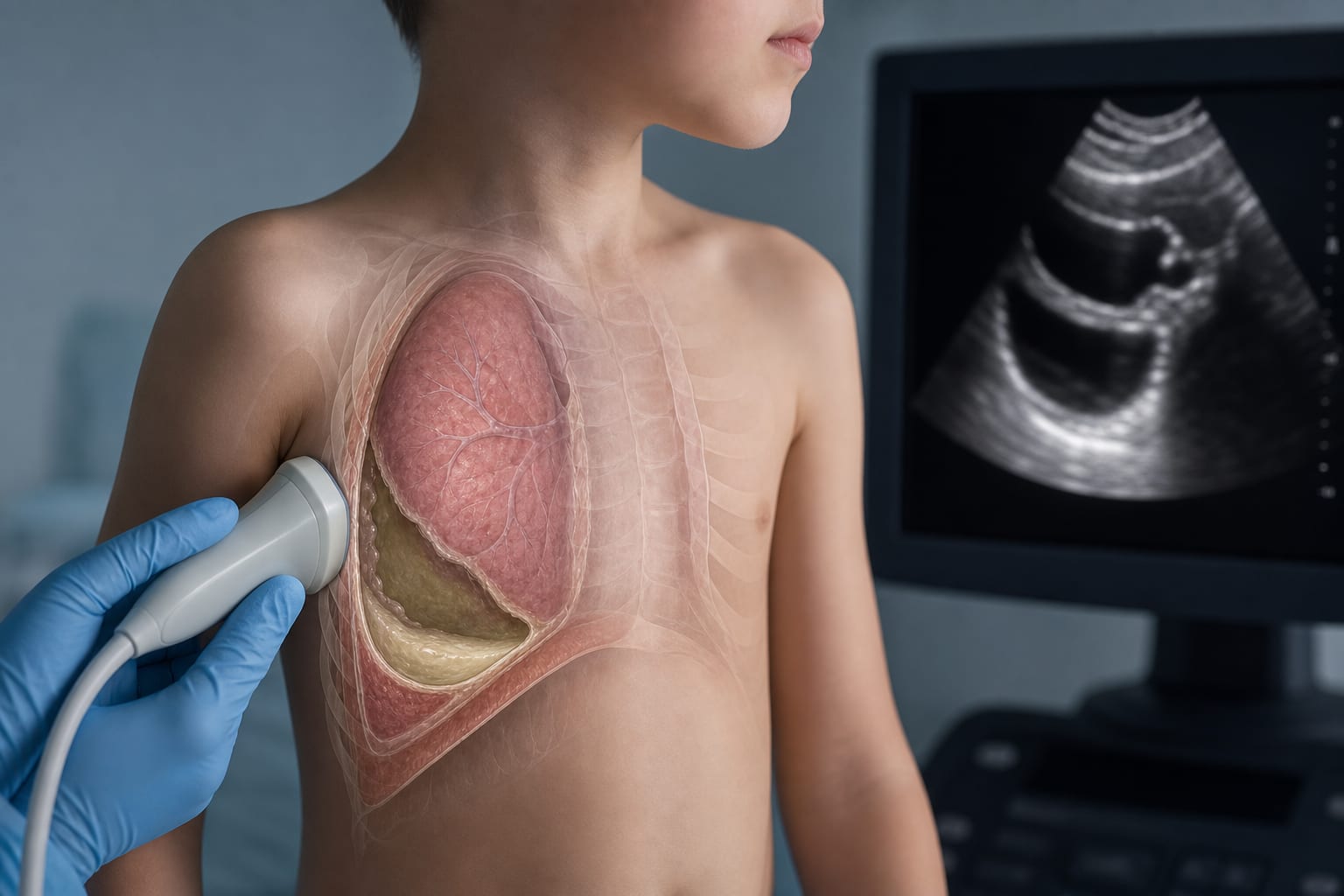
Clinical Scorecard: Analysis of an Uncommon Case of Salmonella Infection Leading to Severe Necrotizing Pneumonia with Empyema in a Healthy Pediatric Patient
At a Glance
Category
Detail
Condition
Severe necrotizing pneumonia with empyema due to non-typhoidal Salmonella infection
Key Mechanisms
Potential viral co-infection (influenza A) facilitating bacterial invasion and hyperinflammatory response contributing to disease severity
Target Population
Previously healthy pediatric patients
Care Setting
Pediatric clinical practice
Key Highlights
Rare presentation of invasive non-typhoidal Salmonella infection in an immunocompetent child
Necrotizing pneumonia and empyema requiring extracorporeal membrane oxygenation
Potential role of influenza A in predisposing to severe bacterial pneumonia
Importance of recognizing unusual infections as diagnostic signals
Complex interactions between host immunity and pathogen virulence
Guideline-Based Recommendations
Diagnosis
Consider broader diagnostic perspectives when encountering atypical infections in immunocompetent children
Management
Monitor for hyperinflammatory responses and manage accordingly
Monitoring & Follow-up
Regular assessment of respiratory function and inflammatory markers
Risks
Invasive non-typhoidal Salmonella infections can lead to significant morbidity and mortality
Patient & Prescribing Data
Immunocompetent pediatric patients with atypical presentations of infection
Consider potential underlying vulnerabilities in host defenses when managing severe infections
Clinical Best Practices
Reassess host-pathogen dynamics in cases of severe disease from typically mild pathogens
Maintain a high index of suspicion for atypical infections in pediatric patients