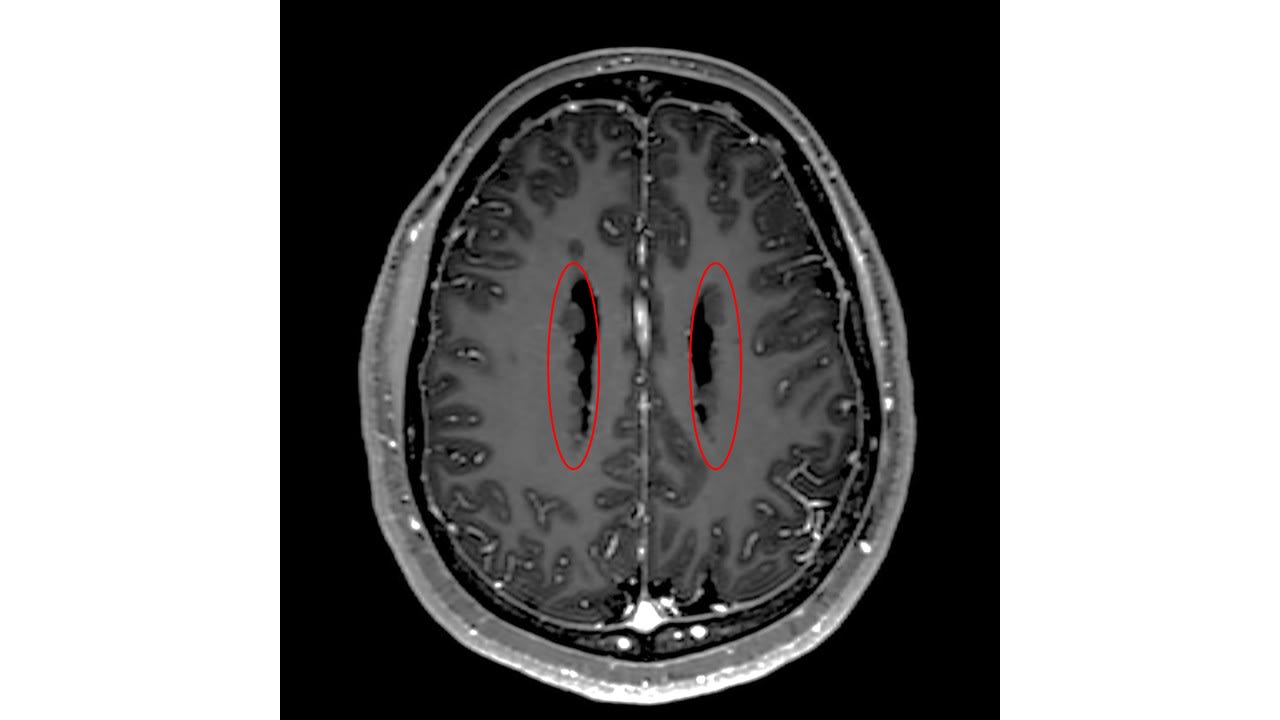
Clinical Scorecard: The Impact of Somatic Comorbidities on Individuals Recovering from Traumatic Brain Injury
At a Glance
Category
Detail
Condition
Traumatic Brain Injury (TBI) and associated somatic comorbidities
Key Mechanisms
Increased susceptibility to somatic conditions post-TBI including metabolic disorders, epilepsy, stroke, cardiovascular disease, and dementia
Target Population
Adults who have survived a TBI
Care Setting
Hospital and long-term rehabilitation settings, including nationwide population-based cohorts
Key Highlights
TBI survivors have a significantly higher risk of developing multiple somatic comorbidities compared to matched controls.
Long-term accumulation and severity of somatic comorbidities post-TBI can be quantified using the Charlson Comorbidity Index (CCI).
Length of hospital stay (LOS) is used exploratively as a proxy for TBI severity to analyze risk stratification.
Guideline-Based Recommendations
Diagnosis
Use ICD-10 codes to identify TBI cases and associated somatic comorbidities in national registries.
Exclude multiorgan trauma cases to isolate TBI-specific comorbidity risk.
Management
Monitor and manage somatic comorbidities such as cerebrovascular disease, cancer, diabetes, and cardiovascular disease in TBI survivors.
Implement targeted interventions to mitigate secondary health effects and support long-term rehabilitation.
Monitoring & Follow-up
Use cumulative CCI scores over time to assess burden and progression of somatic comorbidities.
Stratify monitoring by age groups and TBI severity to tailor care plans.
Risks
Recognize increased risk of somatic diseases post-TBI which may contribute to disability and complicate rehabilitation.
Consider that LOS as a proxy for injury severity has limitations, especially in elderly populations.
Patient & Prescribing Data
Adult TBI survivors from a nationwide Danish cohort matched with non-TBI controls
Long-term management should address the elevated risk of somatic comorbidities; data supports stratification by age and injury severity for personalized care.
Clinical Best Practices
Exclude patients with prior TBI or multiorgan trauma to accurately assess TBI-specific comorbidity burden.
Use age-matched controls to evaluate relative risk of somatic conditions post-TBI.
Employ the Charlson Comorbidity Index to quantify and monitor somatic health burden longitudinally.
Consider hospital length of stay cautiously as an exploratory marker of TBI severity in registry-based studies.
Focus rehabilitation efforts on managing accumulated somatic comorbidities to improve reintegration outcomes.
Epilepsy remains a life-altering condition, particularly due to the unpredictable nature of seizures and their cumulative impact on cognition, independence and quality of life.