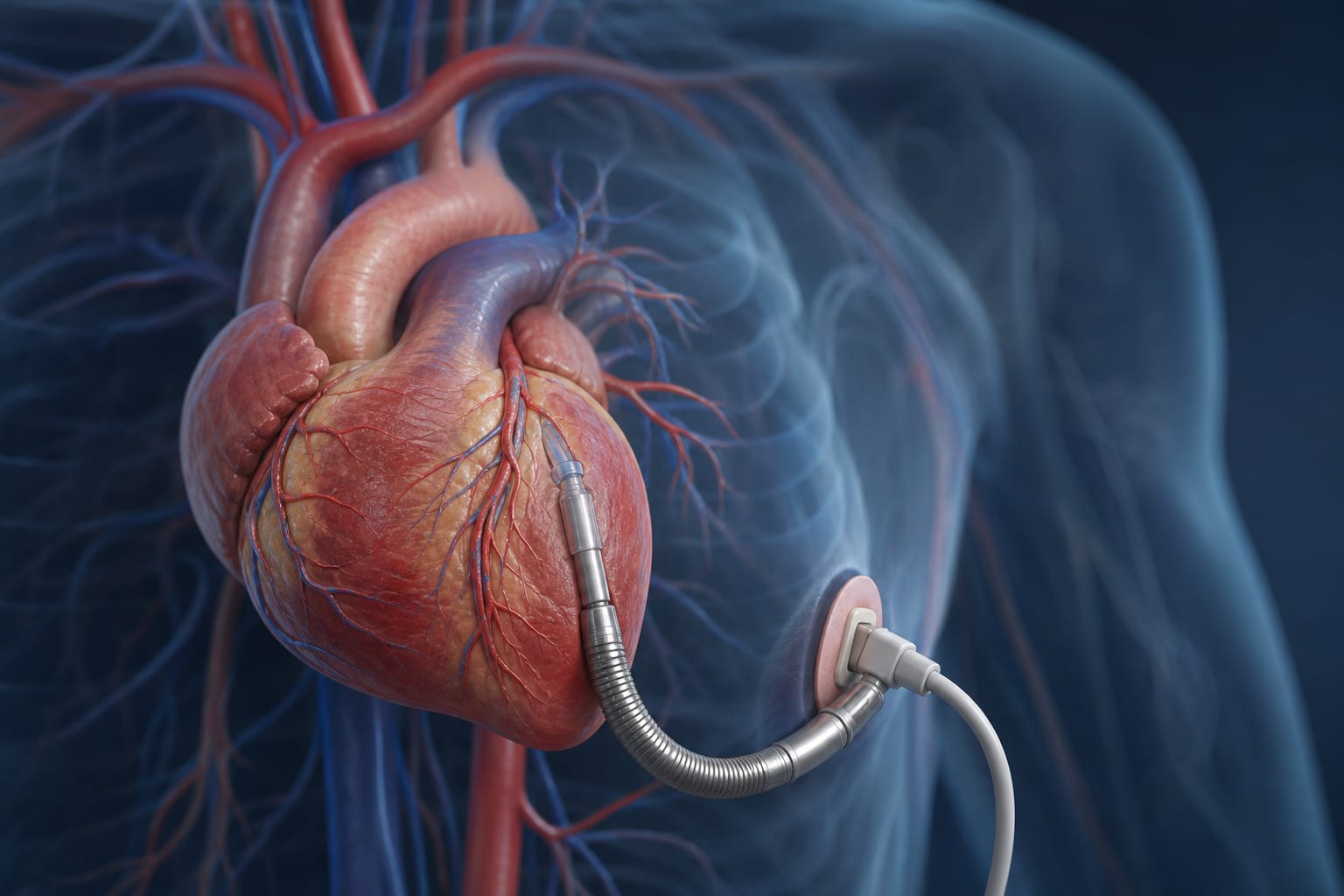
Understanding the Pathophysiology and Clinical Implications of the Heart-Brain Connection
-
By
-
Federico Vancheri
-
Sergio Vancheri
-
Giovanni Longo
-
Edoardo Vancheri
-
Michael Y. Henein
-
April 22, 2026
-
Clinical Scorecard: Understanding the Pathophysiology and Clinical Implications of the Heart-Brain Connection
At a Glance
| Category | Detail |
|---|
| Condition | |
| Key Mechanisms | Neuroinflammation, systemic immune activation, sympathetic-immune interactions, catecholamine toxicity, endothelial dysfunction, and gut-brain-heart axis involvement. |
| Target Population | |
| Care Setting | |
Key Highlights
- Pathological interactions between heart and brain can worsen prognosis.
- Stroke-heart syndrome includes complications like myocardial injury and arrhythmias.
- Shared risk factors include hypertension, diabetes, and dyslipidaemia.
- Current guidelines lack integration of neurocardiac parameters.
- Future studies should include both cardiac and neurological outcomes.
- Neuroinflammation plays a critical role in heart-brain interactions.
Guideline-Based Recommendations
Diagnosis
- Consider both cardiac and neurological assessments in patients with stroke or heart failure.
Management
- Integrate management pathways for patients with stroke-heart syndrome and cognitive impairment.
Monitoring & Follow-up
- Utilize neurocardiac parameters such as heart rate variability, troponin dynamics, and consider psychological assessments.
Risks
- Increased risk of stroke and cognitive decline in patients with heart conditions.
Patient & Prescribing Data
Patients with cardiovascular diseases and associated neurological risks.
Management should address both cardiac and neurological health to improve outcomes.
Clinical Best Practices
- Incorporate comprehensive prognostic frameworks that include heart-brain interactions.
- Utilize combined cardiac and cerebral imaging markers for risk assessment.
- Encourage multidisciplinary approaches in managing patients with dual diagnoses.
- Integrate psychological assessments into patient management strategies.
References