Clinical effect evaluation of postoperative complications of papillary thyroid carcinoma based on individualized intervention and prognostic analysis of precision nursing intervention - Scorecard - MDSpire
Advertisement
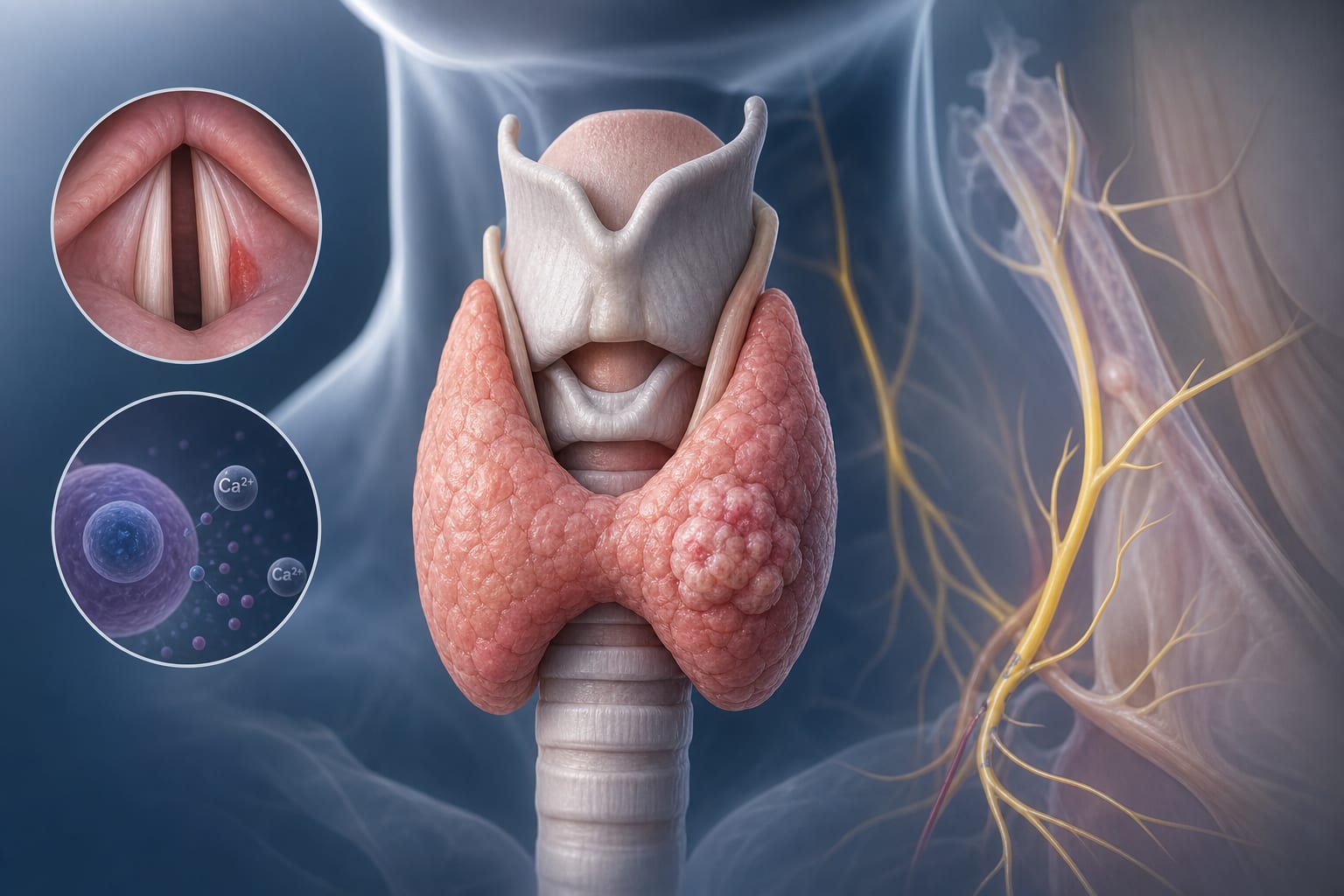
Clinical effect evaluation of postoperative complications of papillary thyroid carcinoma based on individualized intervention and prognostic analysis of precision nursing intervention
Clinical Scorecard: Assessment of Postoperative Complications in Papillary Thyroid Carcinoma Patients Following Tailored Interventions and Prognostic Outcomes of Precision Nursing Care
At a Glance
Category
Detail
Condition
Papillary Thyroid Carcinoma
Key Mechanisms
Individualized interventions in a multidisciplinary perioperative nursing protocol
Target Population
Patients undergoing radical thyroidectomy for papillary thyroid carcinoma
Care Setting
Postoperative care in a surgical department
Key Highlights
Significantly lower incidence of postoperative complications in the study group (SG) compared to the control group (CG)
Lower rates of transient recurrent laryngeal nerve injury and transient hypocalcemia in SG
Improved postoperative recovery metrics including pain scores and ambulation times in SG
Higher quality of life scores at 6-month follow-up in SG
Reduced readmission rates related to complications in SG
Guideline-Based Recommendations
Diagnosis
Assess thyroid function preoperatively
Management
Implement individualized interventions in perioperative nursing protocols
Monitoring & Follow-up
Continuous calcium monitoring postoperatively
Risks
Monitor for recurrent laryngeal nerve injury and parathyroid dysfunction
Patient & Prescribing Data
1,595 patients with papillary thyroid carcinoma
Individualized nursing interventions can significantly improve short-term functional recovery and quality of life
Clinical Best Practices
Utilize a multidisciplinary approach in perioperative care
Focus on individualized patient assessments and interventions
Incorporate neuromonitoring technology during surgery
First Treg-based cell therapy approved, FDA advanced therapy office faces fresh turnover, and preclinical CAR T studies target rare blood cancers and glioblastoma