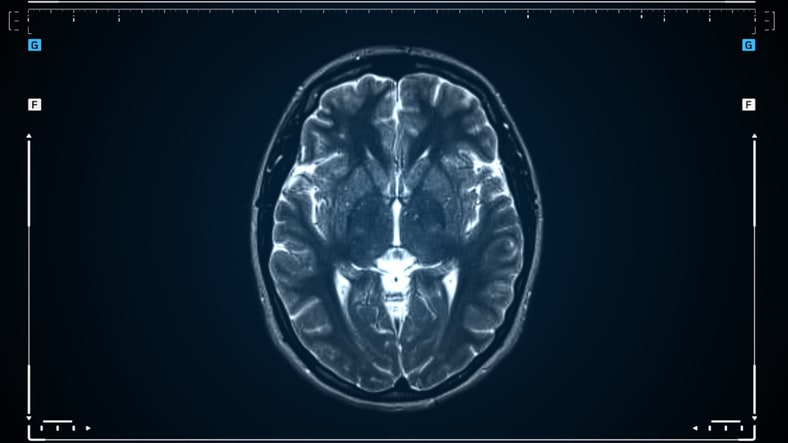
Monitor clinical and neuroimaging response to therapy.
Monitoring & Follow-up
Assess clinical symptom improvement and repeat MRI to evaluate neuroimaging changes.
Monitor cerebrospinal fluid parameters as needed.
Screen for tumor recurrence or new malignancies periodically.
Risks
Potential for relapse or recurrence not well characterized due to limited data.
Underlying malignancies may complicate disease course.
Patient & Prescribing Data
Single 19-year-old female patient with autoimmune GFAP astrocytopathy
High-dose corticosteroid pulse therapy was associated with marked clinical and neuroimaging improvement; no quantitative effect estimates or long-term outcomes reported.
Clinical Best Practices
Use MRI to identify symmetrical radial periventricular enhancement as a diagnostic clue.
Confirm diagnosis with cerebrospinal fluid GFAP antibody testing.
Employ high-dose corticosteroids promptly to improve clinical outcomes.
Screen for underlying malignancies following diagnosis.
Consider intravenous immunoglobulin as adjunct therapy.