Contraceptive Failure Rates Over Three Years in the HER Salt Lake Initiative
By
Jessica N. Sanders
Gentry Carter
Brooke W. Bullington
Alexandra Gero
Rebecca Simmons
Lori M. Gawron
Jennifer E. Kaiser
David K. Turok
June 16, 2026
Clinical Scorecard: Contraceptive Failure Rates Over Three Years in the HER Salt Lake Initiative
At a Glance
Category Detail
Condition Contraceptive effectiveness and failure rates Key Mechanisms Patient-centered counseling and same-day access to contraceptive methods Target Population Individuals assigned female at birth, aged 18 to 45 years, seeking contraceptive care Care Setting Community-based contraceptive initiative
Key Highlights
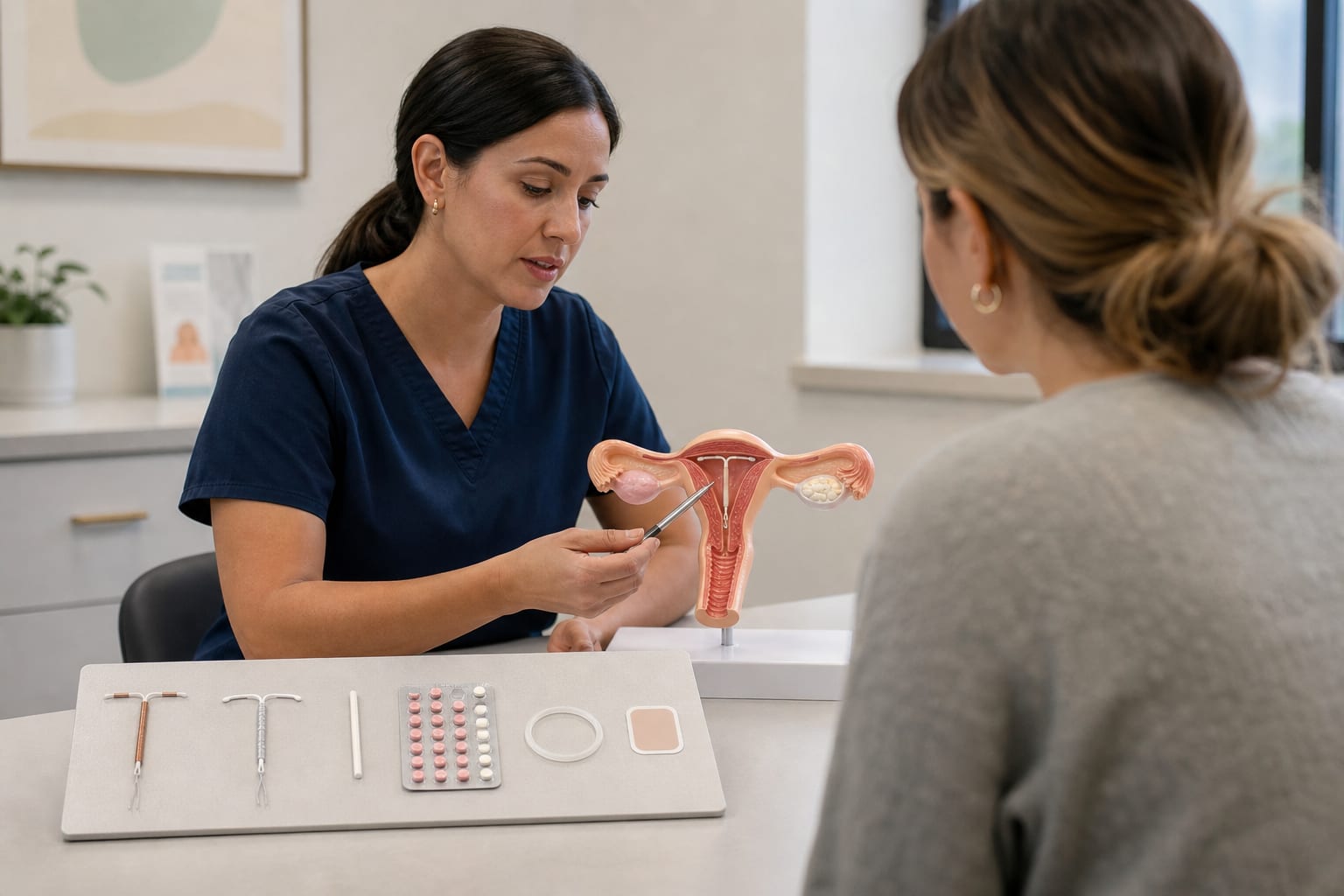
Participants received no-cost access to 7 reversible contraceptive methods Standardized evidence-based counseling was provided to all participants The initiative aimed to reduce unintended pregnancies through improved access and counseling Follow-up data was collected over 3 years to assess contraceptive continuation and pregnancy risk The study was approved by the University of Utah IRB and registered in clinicaltrials.gov Guideline-Based Recommendations
Diagnosis
Assess individual contraceptive needs and preferences through patient-centered counseling Management
Provide same-day access to a variety of contraceptive methods without out-of-pocket costs Monitoring & Follow-up
Conduct regular follow-up surveys to monitor contraceptive use and pregnancy outcomes Risks
Consider barriers to contraceptive access that may affect method adherence and effectiveness Patient & Prescribing Data
4425 participants enrolled, primarily English- and Spanish-speaking individuals
Participants received an initial 3-month supply of preferred contraceptive methods
Clinical Best Practices
Implement the Ten Best Practices Contraceptive Counseling Protocol Ensure comprehensive training for clinical staff on patient-centered counseling Utilize electronic health records for rigorous assessment of pregnancy outcomes Related Resources & Content