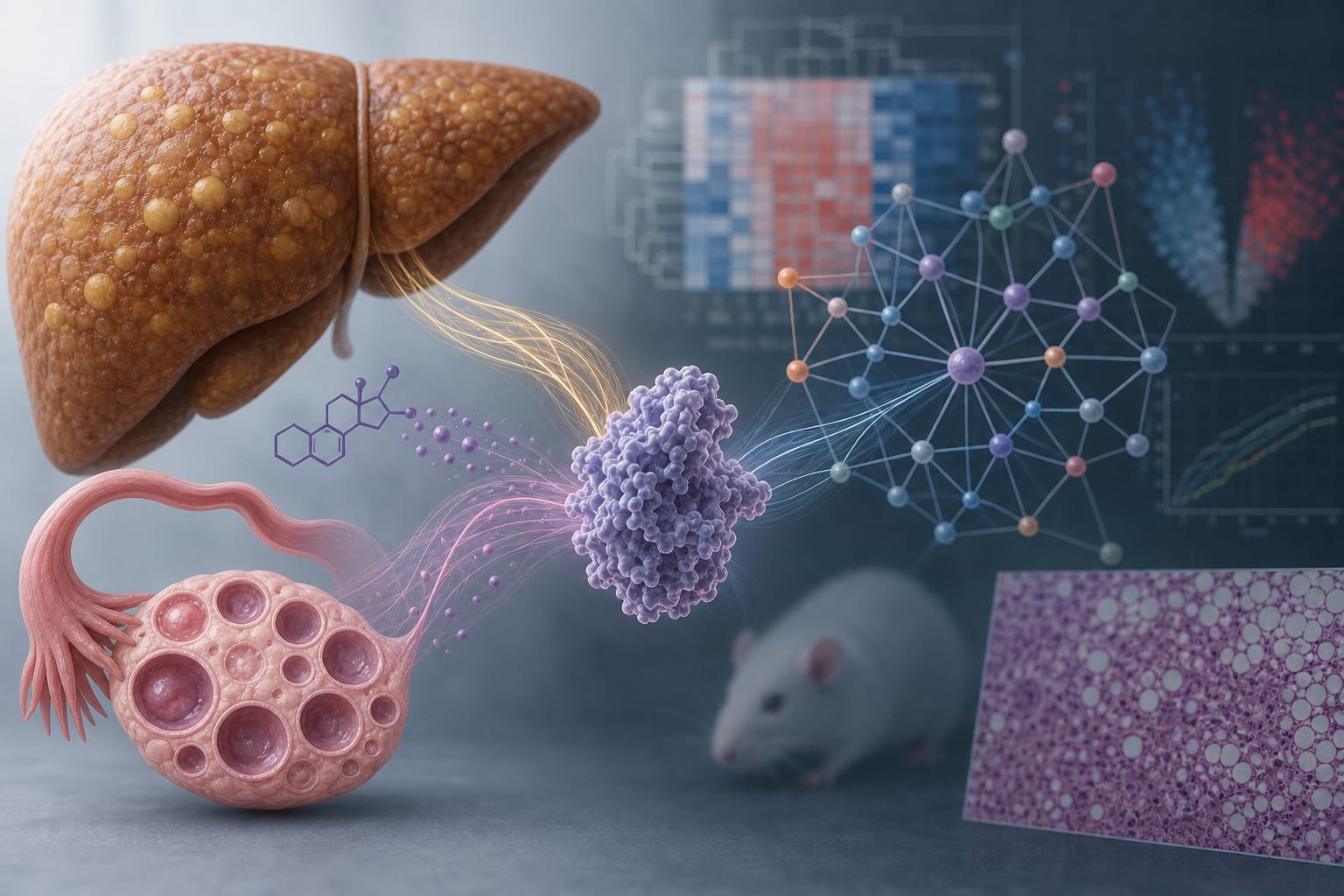
Clinical Scorecard: Insulin Resistance and Disrupted Carbohydrate Metabolism in PCOS: A Comprehensive Review of Molecular Mechanisms
At a Glance
Category
Detail
Condition
Polycystic ovary syndrome (PCOS)
Key Mechanisms
Post-receptor defects in IRS/PI3K/AKT and MAPK signaling, impaired GLUT4 expression and trafficking, mitochondrial and glycolytic dysfunction, chronic low-grade inflammation, androgen receptor–mediated metabolic reprogramming, circadian rhythm disruption, epigenetic and environmental modulators
Target Population
Women of reproductive age with PCOS
Care Setting
Endocrinology and reproductive health clinical settings, metabolic monitoring contexts
Key Highlights
Insulin resistance affects 75–95% of women with PCOS, independent of body mass index
Molecular mechanisms of insulin resistance in PCOS remain incompletely characterized, with most evidence from animal or in vitro models
International guidelines recommend clinical glycemic monitoring every 1–3 years and targeted oral glucose tolerance testing for high-risk or preconception patients
Guideline-Based Recommendations
Diagnosis
Do not use insulin resistance tests for PCOS diagnosis due to insufficient accuracy
Perform baseline and periodic glycemic status assessments every 1–3 years
Reserve oral glucose tolerance testing for high-risk individuals and preconception evaluations
Management
Individualize management of metabolic complications in PCOS
Focus on early detection and intervention for glucose dysregulation
Monitoring & Follow-up
Regular clinical monitoring of glycemic status in women with PCOS
Repeat evaluations at intervals of 1–3 years depending on risk
Risks
Increased risk of type 2 diabetes mellitus, cardiovascular disease, and reduced fertility associated with insulin resistance in PCOS
Patient & Prescribing Data
Women with PCOS exhibiting insulin resistance and impaired carbohydrate metabolism
Current evidence supports individualized metabolic monitoring and management; molecular targets remain under investigation pending further human studies
Clinical Best Practices
Conduct comprehensive metabolic assessments including glycemic status in women diagnosed with PCOS
Apply guideline-based screening intervals for glucose intolerance and diabetes risk
Recognize the heterogeneity of insulin resistance mechanisms and tailor interventions accordingly
Encourage further research participation to elucidate molecular pathways for targeted therapies
by Mikołaj Kisiała, Wiktoria Mazepa, Dominika Bauer, Patrycja Tabaka, Michał Gas, Aleksander Sowiński, Krzysztof Wolak, Albert Synal, Julia Gąsiorowska, Oliwia Sas, Wojciech Urbański, Oliwier Pioterek, Mateusz Mazurek, Zygmunt Domagała