The effect of traumatic birth perception and fear of childbirth on cesarean section intention
-
By
-
Betul Uncu
-
Emine Serap Cagan
-
Rukiye Duman
-
March 30, 2026
-
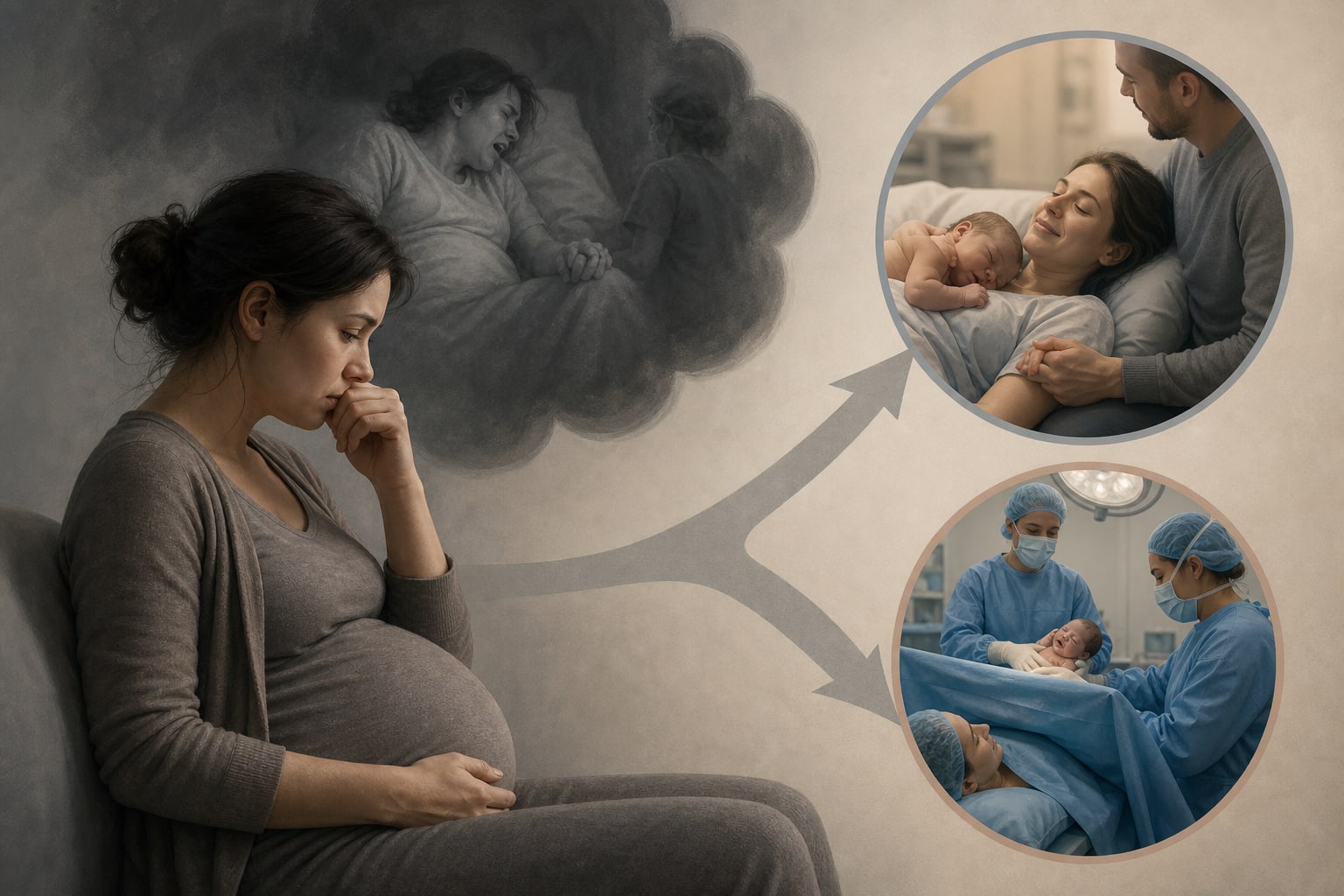
Clinical Scorecard: Impact of Perceived Traumatic Birth Experiences and Childbirth Anxiety on the Decision for Cesarean Delivery
At a Glance
| Category | Detail |
|---|
| Condition | Fear of childbirth and traumatic birth perception |
| Key Mechanisms | Psychosocial factors influencing delivery method decisions |
| Target Population | Primiparous pregnant women |
| Care Setting | Obstetrics clinics |
Key Highlights
- 42.4% of pregnant women in Turkey experience fear of childbirth.
- Cesarean section rates in Turkey are high, with 57.55% of births being cesarean.
- Fear of childbirth significantly influences the decision for cesarean delivery.
- Traumatic birth perception is linked to higher anxiety and lower birth satisfaction.
- Factors influencing traumatic birth perception include personality traits and cultural norms.
Guideline-Based Recommendations
Diagnosis
- Assess traumatic birth perception using the Traumatic Birth Perception Scale.
- Evaluate fear of childbirth with the Wijma Birth Expectation/Experience Scale.
Management
- Provide psychological support to address fear and anxiety related to childbirth.
- Educate women on childbirth options to reduce perceived trauma.
Monitoring & Follow-up
- Regularly assess levels of fear and traumatic perceptions throughout pregnancy.
- Monitor cesarean section rates and reasons for delivery method choices.
Risks
- Increased risk of psychological issues in women with high traumatic birth perception.
- Potential for higher cesarean section rates due to fear of childbirth.
Patient & Prescribing Data
Primiparous pregnant women aged 18 and older in the second or third trimester.
Understanding emotional processes can guide supportive approaches to childbirth.
Clinical Best Practices
- Implement supportive care strategies for women expressing fear of childbirth.
- Encourage open discussions about previous birth experiences and fears.
Related Resources & Content