Exploring Motivational Influences and Pathways for Rehabilitation in Stroke Survivors Through the Lens of Self-Determination Theory - Scorecard - MDSpire
Advertisement
Exploring Motivational Influences and Pathways for Rehabilitation in Stroke Survivors Through the Lens of Self-Determination Theory
Clinical Scorecard: Exploring Motivational Influences and Pathways for Rehabilitation in Stroke Survivors Through the Lens of Self-Determination Theory
At a Glance
Category
Detail
Condition
Stroke and post-stroke rehabilitation
Key Mechanisms
Rehabilitation motivation influenced by self-efficacy, social support, anxiety-depression, environmental factors based on Self-Determination Theory
Target Population
Adult stroke patients undergoing rehabilitation
Care Setting
Inpatient wards of neurology, neurosurgery, and rehabilitation medicine departments in tertiary hospitals
Key Highlights
Stroke patients exhibit a moderately high level of rehabilitation motivation (mean score 105.73 ± 22.03).
Social support and self-efficacy positively influence rehabilitation motivation; anxiety-depression and environmental barriers negatively impact motivation.
Multifactorial predictors including income, family relationships, employment, rehabilitation duration, psychosocial factors explain 70.4% of variance in motivation.
Guideline-Based Recommendations
Diagnosis
Assess rehabilitation motivation using validated scales such as the Stroke Rehabilitation Motivation Scale.
Evaluate psychosocial factors including self-efficacy, social support, anxiety, depression, and environmental barriers.
Management
Implement family-centered, psychosocially integrated motivational interventions to enhance rehabilitation engagement.
Incorporate digital technology to improve rehabilitation experience and support systems.
Address anxiety and depression to reduce negative impact on motivation.
Monitoring & Follow-up
Regularly monitor changes in rehabilitation motivation and psychosocial status during rehabilitation.
Use structured tools to track self-efficacy and social support levels.
Risks
Low rehabilitation motivation may lead to poor treatment adherence and missed optimal recovery windows.
Psychological distress and unfavorable environmental factors can undermine rehabilitation outcomes.
Patient & Prescribing Data
Stroke survivors undergoing inpatient rehabilitation in tertiary hospitals
Motivational levels are influenced by socioeconomic, psychological, and environmental factors; interventions should be multifaceted and theory-driven.
Clinical Best Practices
Use Self-Determination Theory to guide motivational interventions focusing on autonomy, competence, and relatedness.
Integrate psychosocial assessments into routine stroke rehabilitation care.
Engage family and social support networks to enhance patient motivation.
Leverage digital tools to support motivation and rehabilitation adherence.
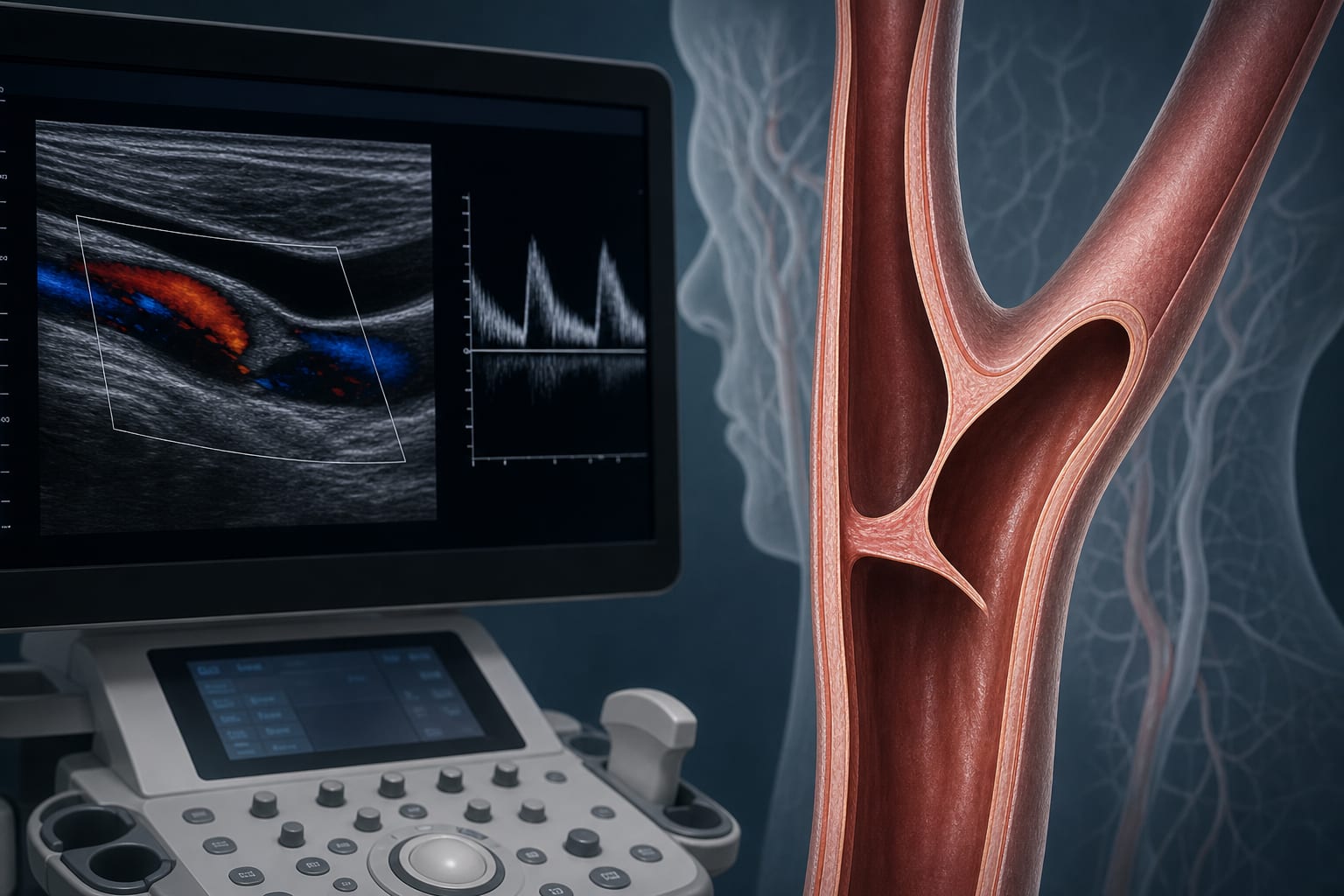
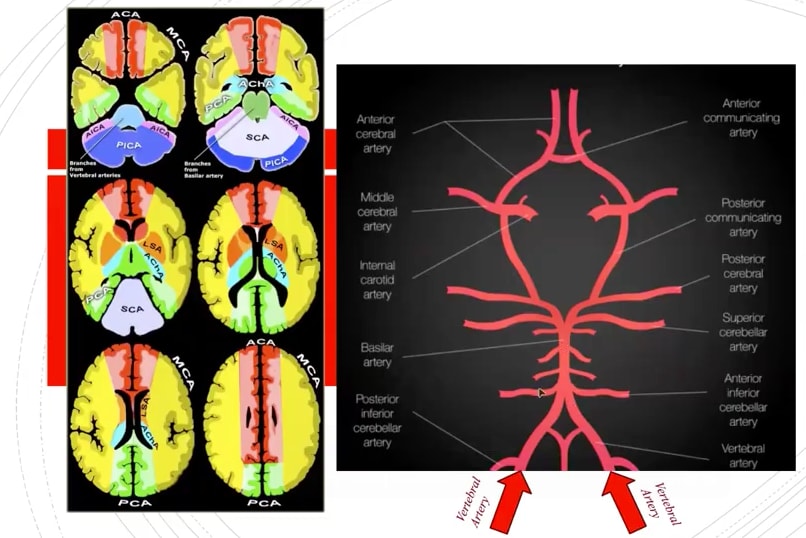
Bowhunter syndrome (BHS) is a rare but important cause of posterior circulation stroke in children, resulting from vertebral artery compression during head rotation.