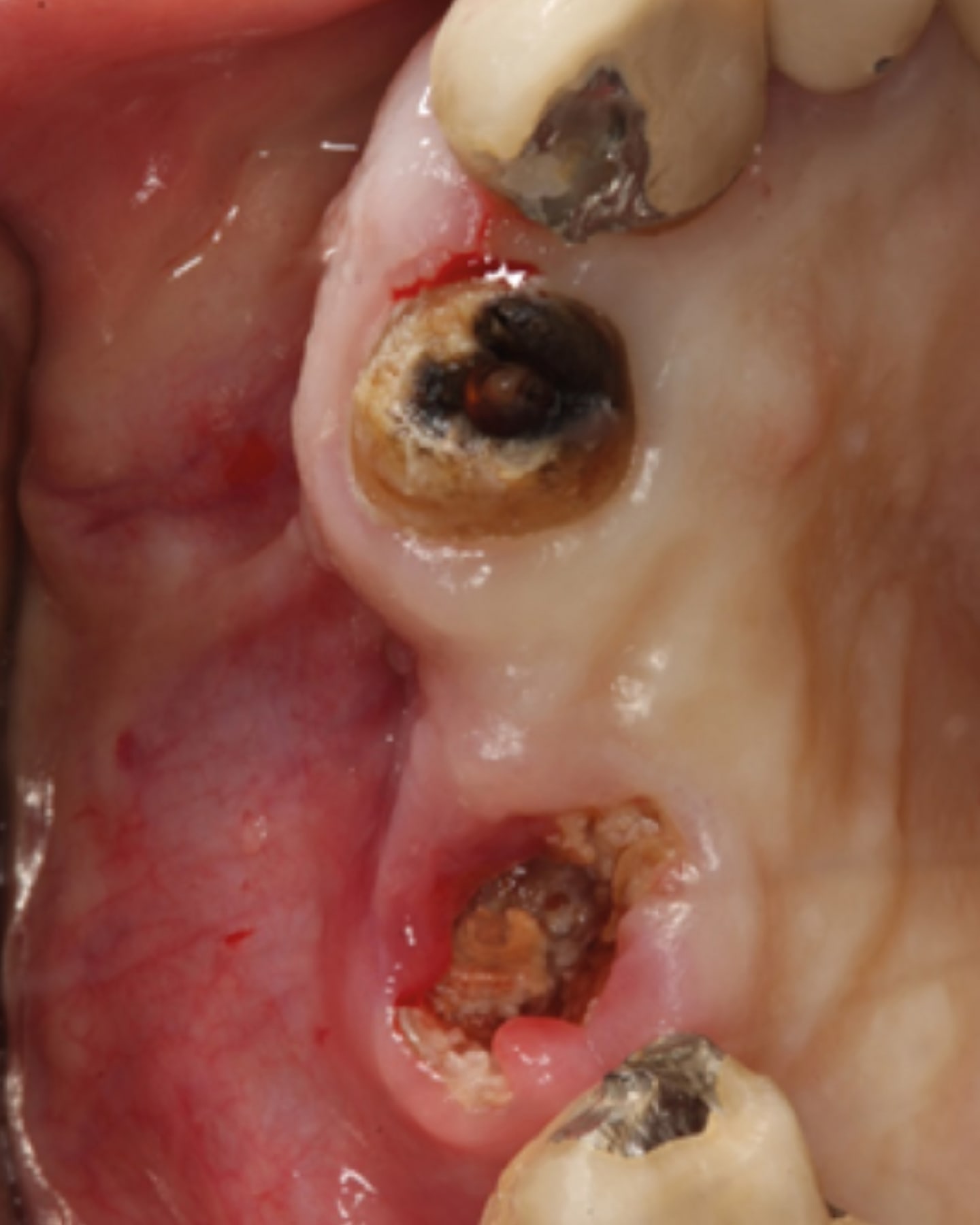
Implant Treatment to Replace Over-Retained Deciduous Maxillary Canines
A multi-procedural approach is used to correct defect, restore function, and improve esthetics.
By
Fred A. Puccio
ROBERT J DEFALCO
AMY PARSOL
Gregori M. Kurtzman, DDS
January 1, 2026
Clinical Scorecard: Implant Treatment to Replace Over-Retained Deciduous Maxillary Canines
At a Glance
Category Detail
Condition Key Mechanisms Target Population Patients with congenitally missing maxillary canines, particularly in the Asian population, including both males and females. Care Setting
Key Highlights
Add a highlight on the importance of patient-specific treatment planning. Guideline-Based Recommendations
Diagnosis
Use radiographs (e.g., CBCT) to confirm absence of permanent canines and assess root resorption. Management
Monitoring & Follow-up
Risks
Patient & Prescribing Data
Multi-procedural approach involving orthodontics, extraction, grafting, and implant placement, applicable to the defined patient population.
Clinical Best Practices
Consider custom-made grafts only if cost and experience justify their use; provide rationale for their potential benefits. References