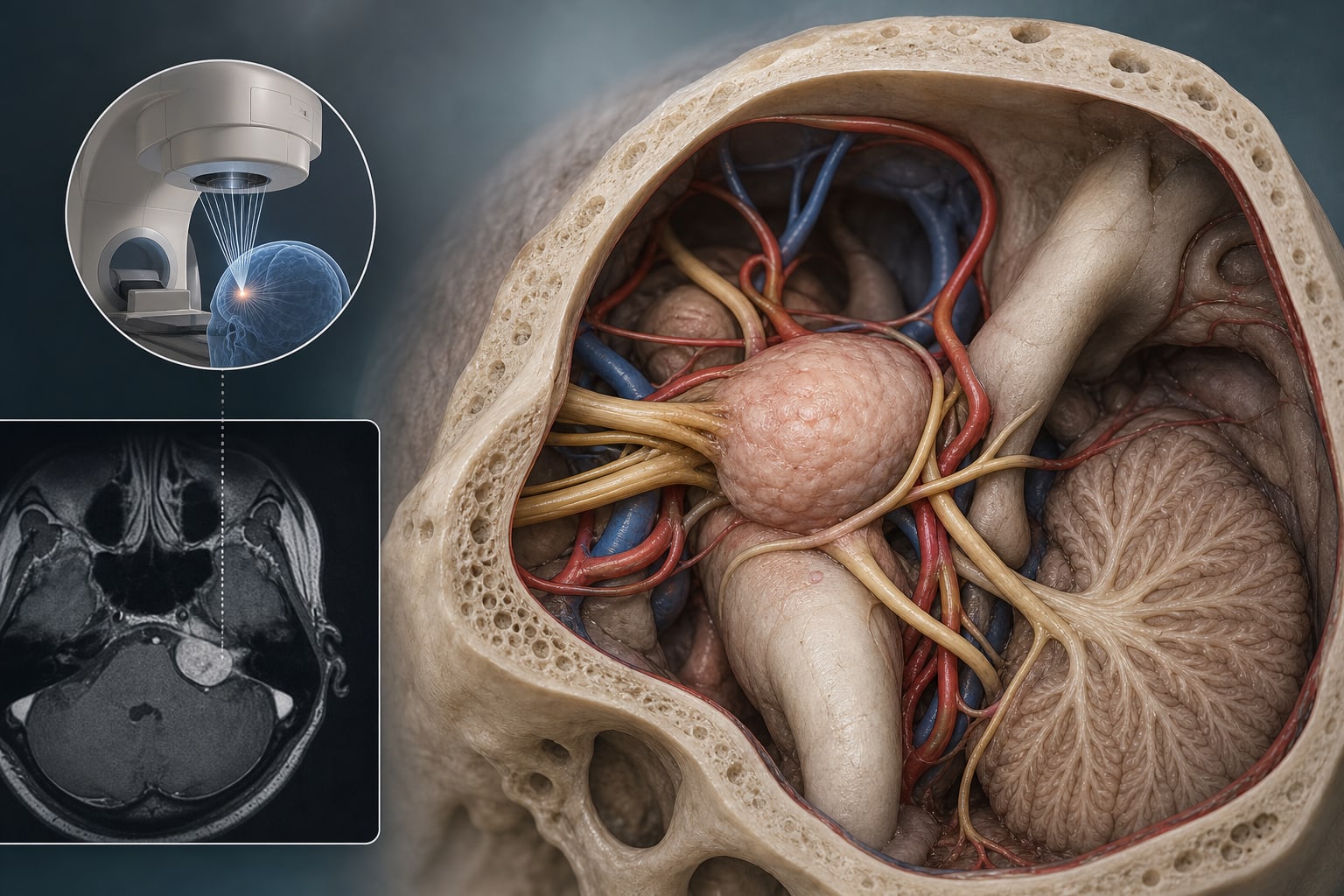
Personalized surgical informed consent with stereoscopic visualization in neurosurgery—real benefit for the patient or unnecessary gimmick?
By
Nicolas Hertzsprung
Kiril Krantchev
Thomas Picht
Anna L. Roethe
Kerstin Rubarth
Josch Fuellhase
Peter Vajkoczy
Güliz Acker
February 28, 2023
Clinical Scorecard: Customized Informed Consent in Neurosurgery Using Stereoscopic Visualization: Genuine Advantage for Patients or Just a Trend?
At a Glance
Category Detail
Condition Brain tumor requiring neurosurgical resection Key Mechanisms Use of stereoscopic visualization of patient-specific imaging to enhance understanding during informed consent Target Population Patients scheduled for brain tumor surgery without cognitive or visual impairments Care Setting Neurosurgical department in a clinical hospital setting
Key Highlights
Informed consent is essential for respecting patient autonomy and improving patient-doctor trust. Modern technologies like VR, 3D printing, and stereoscopic visualization can improve patient comprehension of complex neurosurgical procedures. Stereoscopic visualization offers a cheaper, easier-to-implement alternative to 3D printing for personalized patient education during consent. Guideline-Based Recommendations
Diagnosis
Assess patient capacity to give informed consent, excluding those with cognitive or visual impairments. Test patients for stereopsis to ensure suitability for stereoscopic visualization. Management
Conduct conventional informed consent discussions covering patient-specific anatomy, symptoms, prognosis, surgical steps, and risks. Consider adding stereoscopic visualization of patient-specific CT/MRI images to improve patient understanding during consent. Monitoring & Follow-up
Evaluate patient comprehension and anxiety levels after informed consent discussions. Monitor patient trust and satisfaction with the consent process. Risks
Miscommunication during informed consent can lead to increased patient anxiety, unrealistic expectations, loss of trust, and potential litigation. Ensure that new visualization technologies do not increase patient anxiety. Patient & Prescribing Data
Patients undergoing brain tumor surgery who are capable of providing informed consent
Stereoscopic visualization may enhance patient comprehension without increasing anxiety and could improve the patient-doctor relationship.
Clinical Best Practices
Provide thorough, patient-specific information about the disease and surgical procedure to respect autonomy and reduce anxiety. Use personalized visualization tools such as stereoscopic imaging to aid patient understanding, especially in complex neurosurgical cases. Assess patient suitability for stereoscopic visualization prior to use. Maintain clear communication to prevent misperceptions and potential legal issues. References