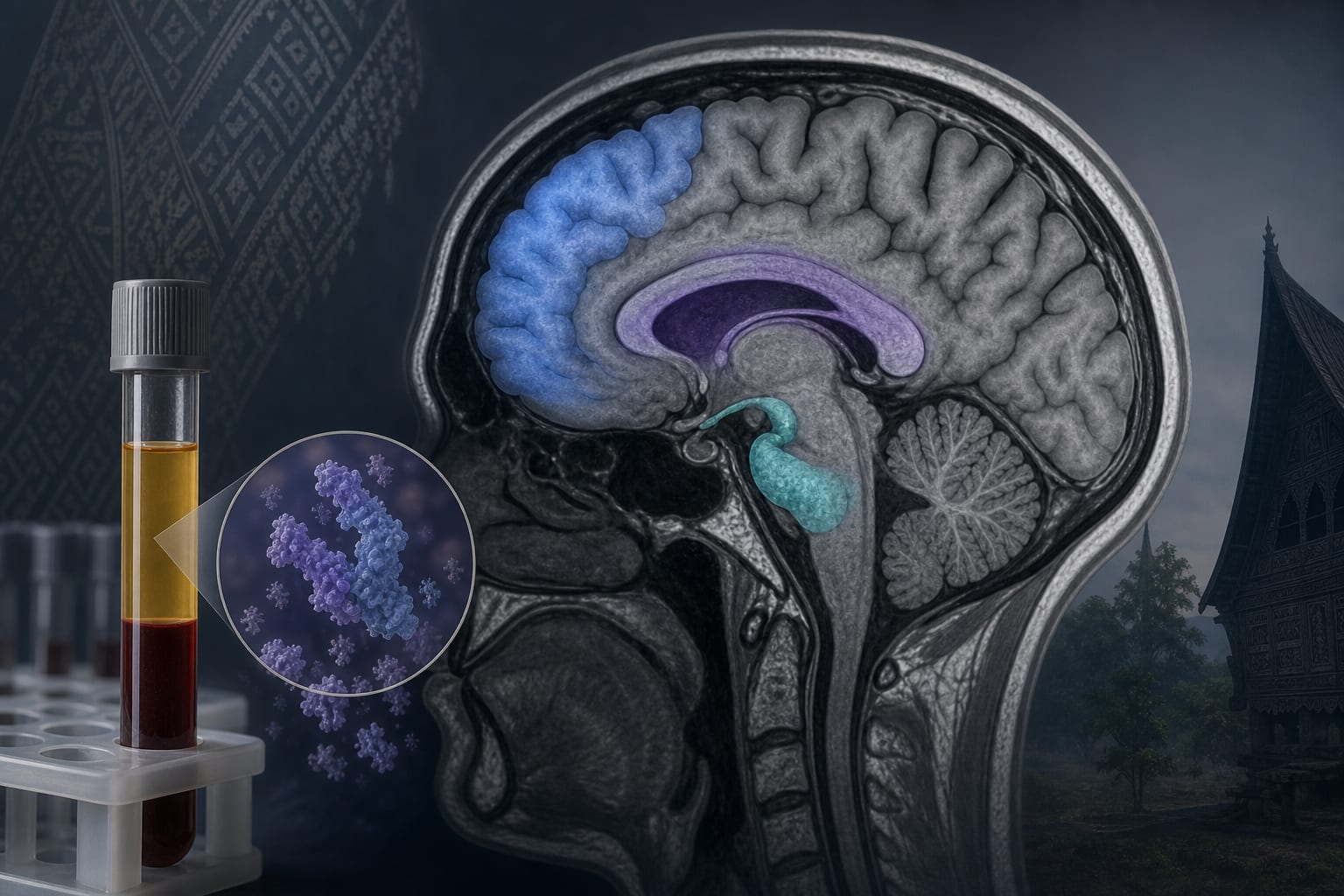
Patterns of Intelligence
Cedars-Sinai Scientists Discover Structured Brain Activity That Represents Knowledge Gained via Learning; Artificial Intelligence Helps Identify Geometric Patterns of Neuron Firing
Clinical Scorecard: Patterns of Intelligence
At a Glance
| Category | Detail |
|---|
| Condition | Neurological processes related to abstraction and inference |
| Key Mechanisms | Coordinated brain cell activity in the hippocampus during learning tasks |
| Target Population | Hospitalized patients with epilepsy undergoing monitoring |
| Care Setting | Epilepsy monitoring unit |
Key Highlights
- Study reveals neural basis for abstraction and inference in learning
- Participants demonstrated rapid learning through inference after rule changes
- Geometric patterns of neuron firing observed in successful inference tasks
- Verbal instructions can facilitate learning similar to experiential learning
- Findings enhance understanding of hippocampus's role in abstract knowledge
Guideline-Based Recommendations
Diagnosis
- Utilize advanced neuroimaging techniques to assess brain activity patterns
Management
- Consider cognitive training interventions for patients with decision-making deficits
Monitoring & Follow-up
- Monitor hippocampal activity in patients with neurological conditions affecting memory
Risks
- Potential for impaired decision-making in conditions like Alzheimer's and schizophrenia
Patient & Prescribing Data
Patients with neurological conditions affecting memory and decision-making
Interventions targeting hippocampal function may improve cognitive outcomes
Clinical Best Practices
- Incorporate cognitive strategies that utilize abstraction and inference in therapy
- Provide verbal instructions to enhance learning in patients with cognitive deficits
- Utilize AI tools for analyzing complex brain activity data
References