Aquaporin-5–specific heavy chain VDJ knock-in (A5H) mice reveal molecular mimicry–driven initiation and diversification of autoreactive B-cell responses - Scorecard - MDSpire

Aquaporin-5–specific heavy chain VDJ knock-in (A5H) mice reveal molecular mimicry–driven initiation and diversification of autoreactive B-cell responses

  • By

  • Hyunjin Kim

  • Nayoon Lee

  • Sabin Acharya

  • Sungmin Kim

  • Youngnim Choi

  • July 2, 2026

  • 0 min

Share

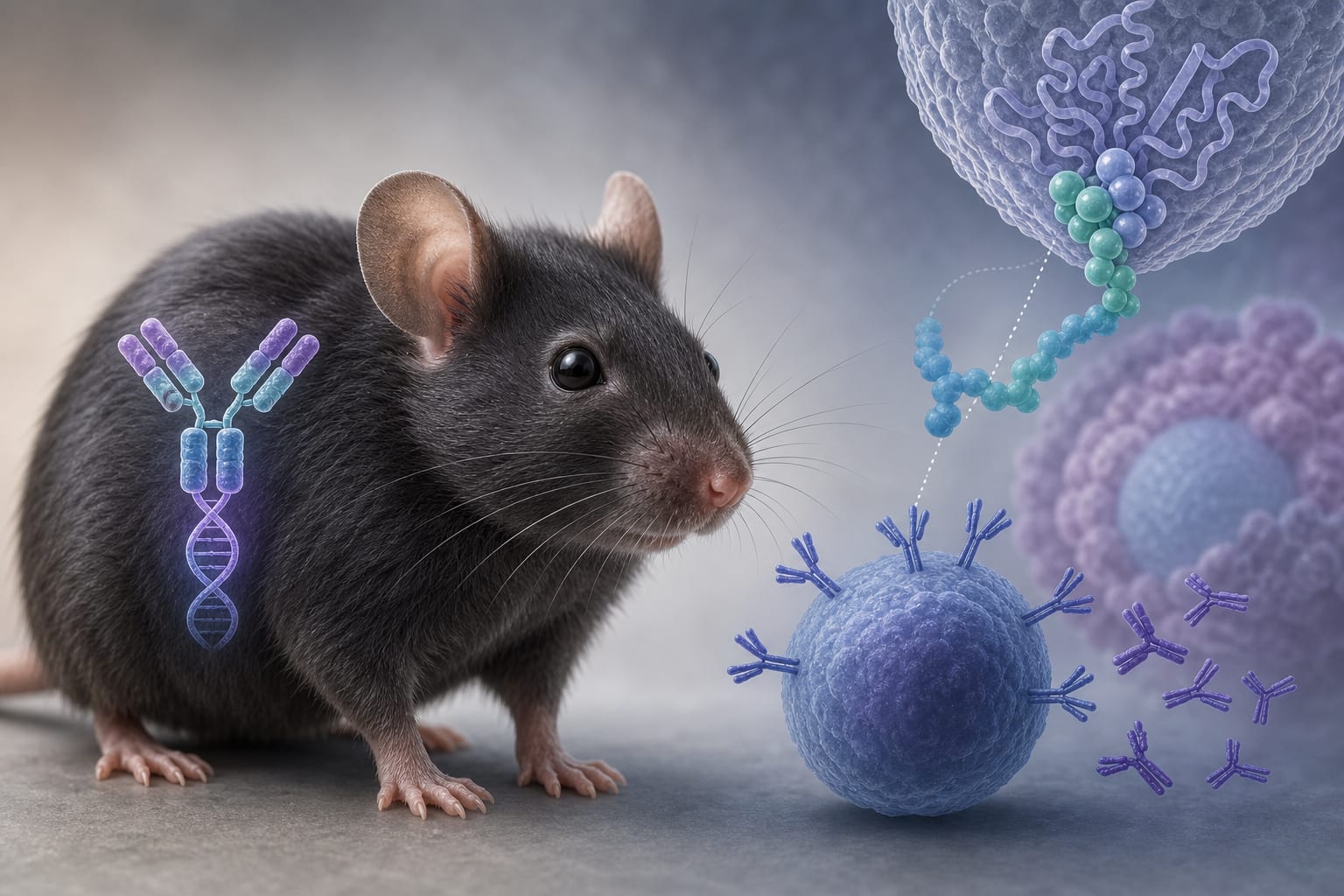
Clinical Scorecard: Knock-in Mice with Aquaporin-5 Heavy Chain VDJ Modification Uncover the Role of Molecular Mimicry in Initiating and Diversifying Autoreactive B-Cell Responses
At a Glance

CategoryDetail
ConditionAutoimmunity
Key MechanismsMolecular mimicry triggering autoreactive B-cell responses
Target PopulationMice with specific genetic modifications (A5H mice)
Care SettingResearch laboratory

Key Highlights

  • A5H mice exhibit normal B-cell development with reduced anergy-associated B cells.
  • Immunization with PmE-L leads to robust production of anti-AQP5E autoantibodies.
  • Allelic inclusion enhances autoreactive B-cell activation in heterozygous mice.

Guideline-Based Recommendations

Diagnosis

    Management

      Monitoring & Follow-up

        Risks

          Patient & Prescribing Data

          Not applicable (animal model study)

          Not applicable (animal model study)

          Clinical Best Practices

          • Utilize A5H mice to study molecular mimicry in autoimmunity.
          • Investigate the role of mimic-reactive B cells in autoimmune disease initiation.

          Related Resources & Content

            Original Source(s)

            Related Content