Editorial: Psychiatric insights in genetic and chromosomal disorders
-
By
-
Hiroki Ishiguro
-
Itaru Kushima
-
Jamie K. Capal
-
May 13, 2026
-
Clinical Scorecard: Understanding Psychiatric Perspectives in Genetic and Chromosomal Conditions
At a Glance
| Category | Detail |
|---|
| Condition | Neurodevelopmental and psychiatric disorders |
| Key Mechanisms | Integration of genetic, physiological, developmental, and behavioral levels of analysis |
| Target Population | Individuals with genetic and chromosomal disorders, including Down syndrome, autism, and Fragile X syndrome |
| Care Setting | Psychiatric and developmental clinics |
Key Highlights
- Genomic variations can illuminate mechanisms of psychiatric risk and behavioral phenotypes.
- Sleep disturbances in Down syndrome are linked to age-dependent emotional and behavioral profiles.
- Physiological markers have different predictive meanings across various neurodevelopmental conditions.
- Categorical diagnoses may not capture the full clinical variability of psychiatric conditions.
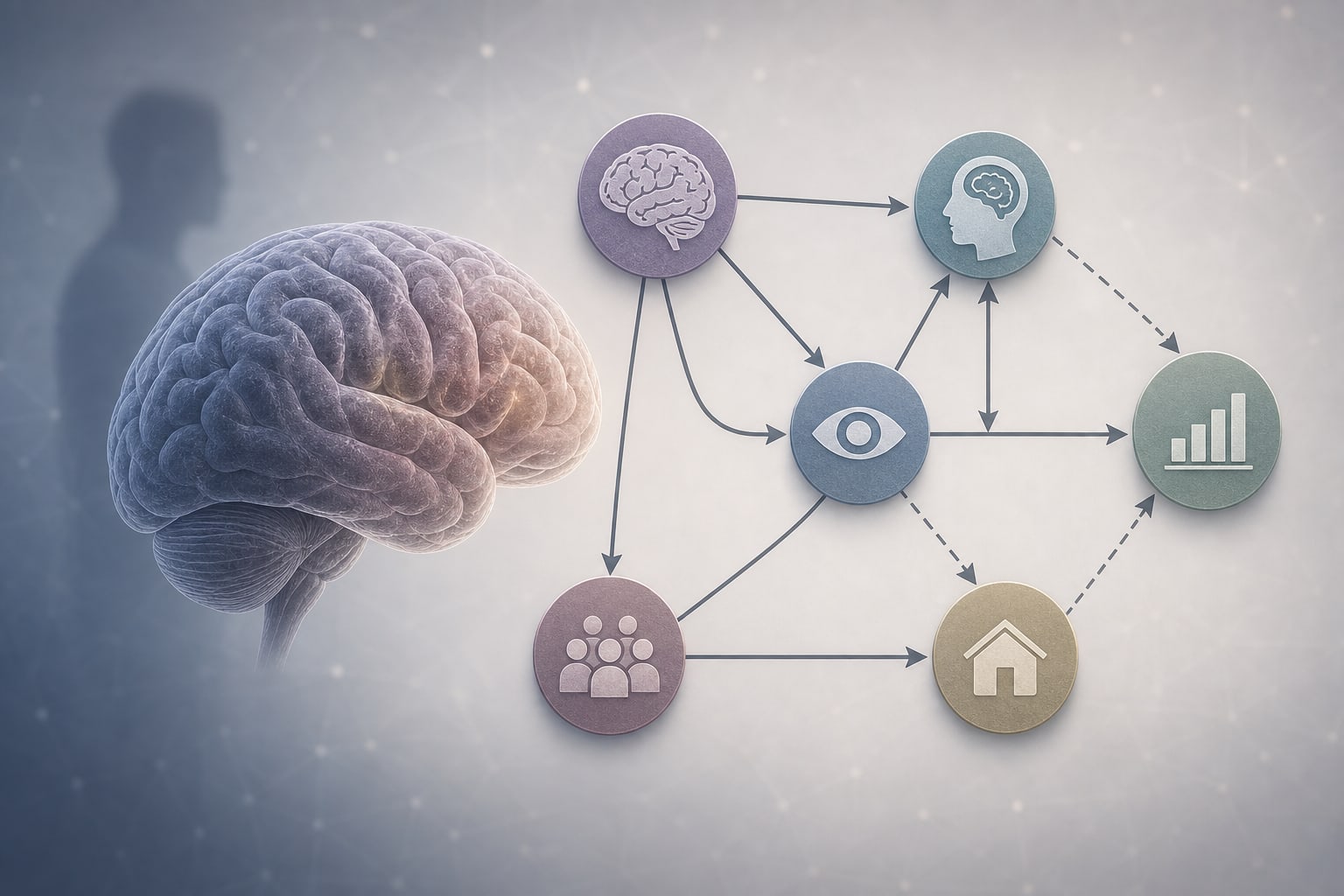
- A multilevel framework is essential for understanding genomic liability and its impact on psychiatric outcomes.
Guideline-Based Recommendations
Diagnosis
- Incorporate genetic findings to refine diagnosis and prognosis.
- Utilize dimensional approaches alongside categorical diagnoses.
Management
- Adopt age-attuned monitoring of sleep disturbances in patients with Down syndrome.
- Integrate genetic information into person-centered psychiatric care.
Monitoring & Follow-up
- Continuous assessment of sleep as a marker for emotional and behavioral changes.
- Monitor physiological and behavioral markers in context of syndrome-specific vulnerabilities.
Risks
- Consider the probabilistic nature of genomic liability in psychiatric risk assessment.
- Acknowledge the variability in psychiatric manifestations across developmental stages.
Patient & Prescribing Data
Children and adolescents with genetic and chromosomal disorders
Genomic medicine should inform treatment plans while being sensitive to developmental and psychosocial factors.
Clinical Best Practices
- Utilize a multilevel framework for assessment and intervention.
- Engage families in discussions about genetic risks and uncertainties.
- Ensure that psychiatric care remains ethically grounded and responsive to patient experiences.
Related Resources & Content