Embolization of the Middle Meningeal Artery for Chronic Subdural Hematoma: Integrating Surgical Advances with Molecular Insights
-
By
-
Rasit Dinc
-
Nurittin Ardic
-
July 2, 2026
Clinical Scorecard: Embolization of the Middle Meningeal Artery for Chronic Subdural Hematoma: Integrating Surgical Advances with Molecular Insights
At a Glance
| Category | Detail |
|---|
| Condition | Chronic Subdural Hematoma (CSDH) |
| Key Mechanisms | Persistent inflammation, pathological angiogenesis, hyperfibrinolysis, immune dysregulation. |
| Target Population | Elderly patients with chronic subdural hematoma. |
| Care Setting | Neurosurgical intervention. |
Key Highlights
- CSDH is common in the elderly, with incidence projected to double by 2030.
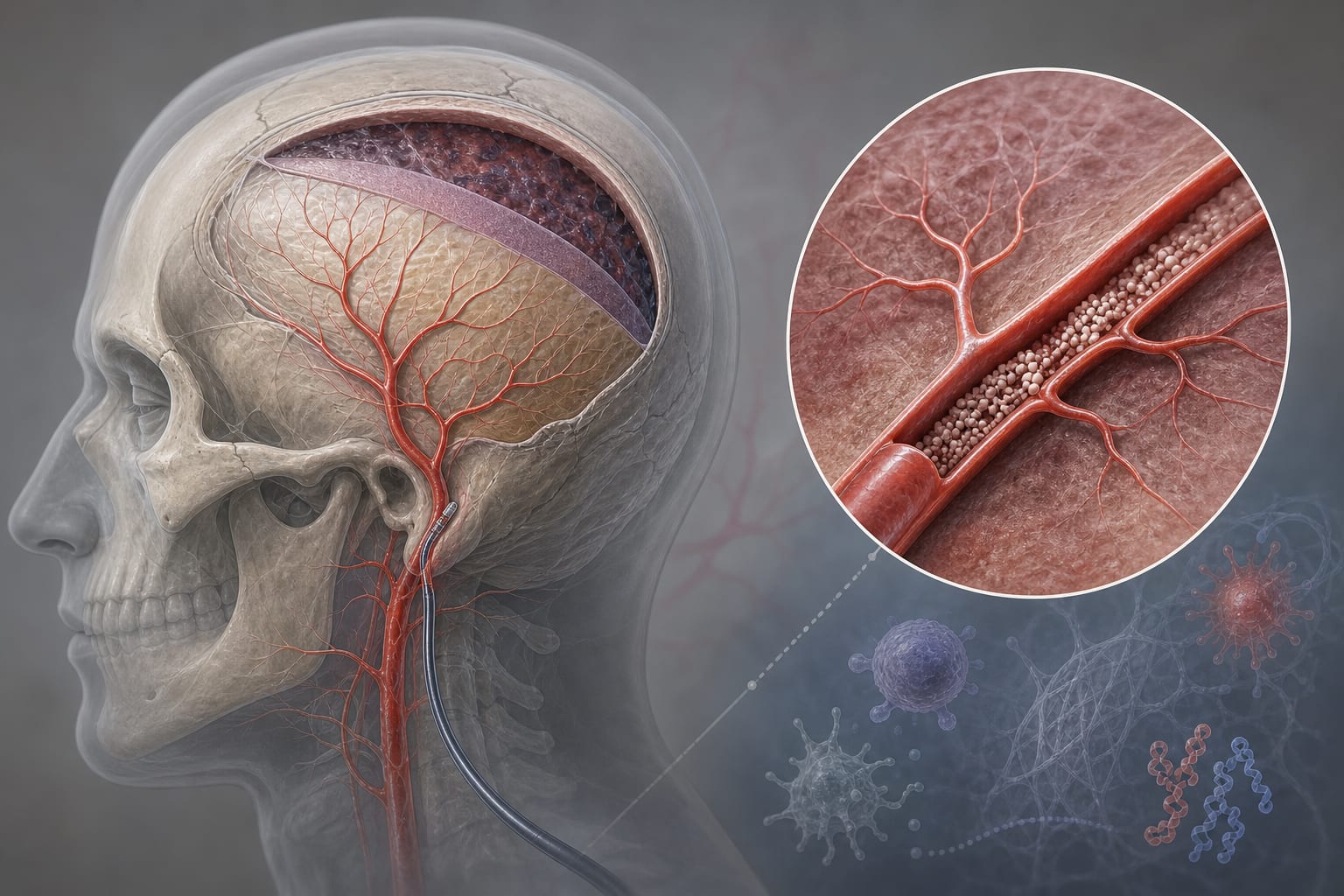
- MMAE is a minimally invasive treatment targeting arterial supply to neomembranes.
- Mixed results from recent RCTs regarding the efficacy of MMAE.
- MMAE may reduce microbleeding and inflammation, promoting hematoma resorption.
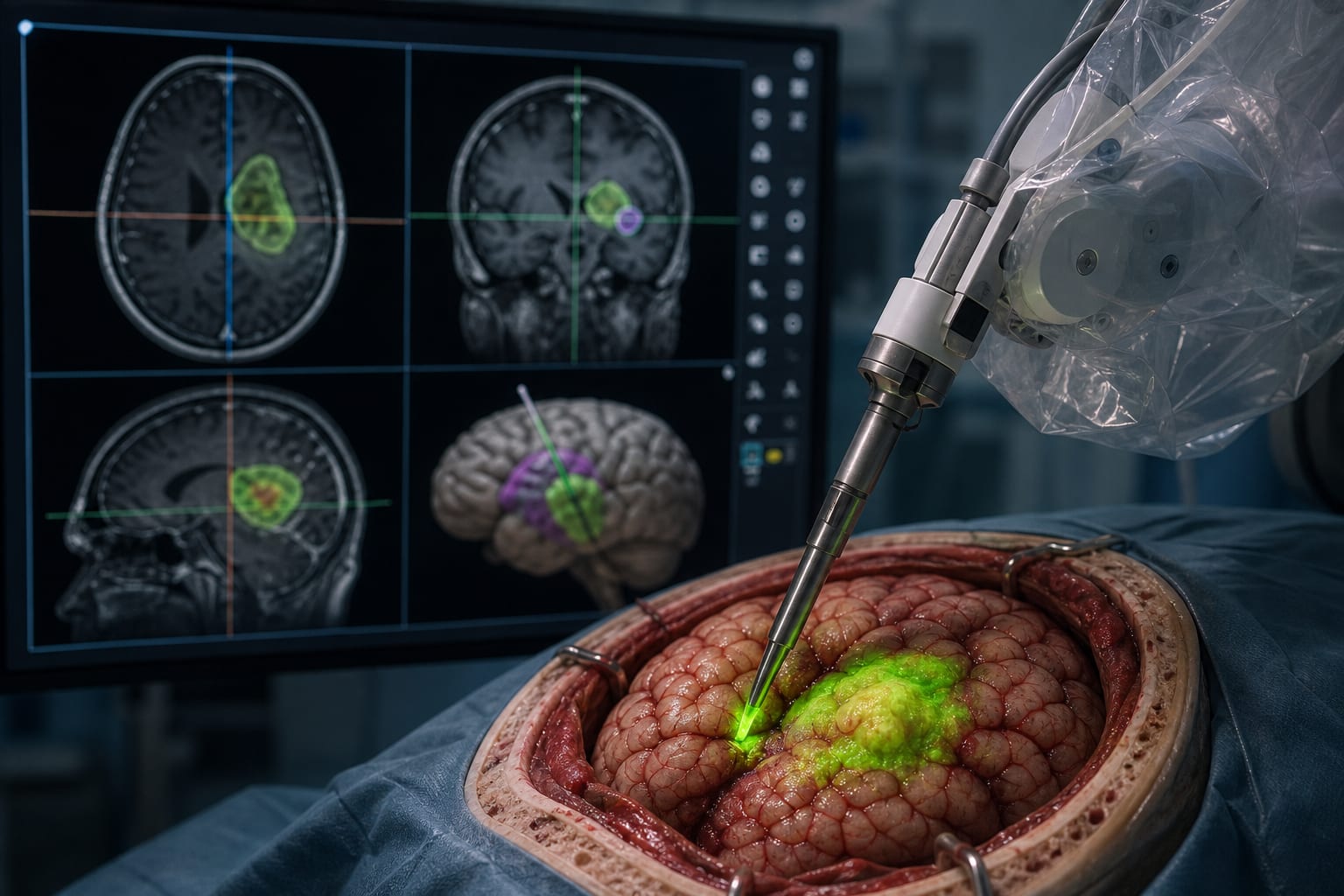
- AI approaches may enhance patient selection and treatment outcomes.
Guideline-Based Recommendations
Diagnosis
- Diagnosis of CSDH is based on clinical presentation and imaging findings.
Management
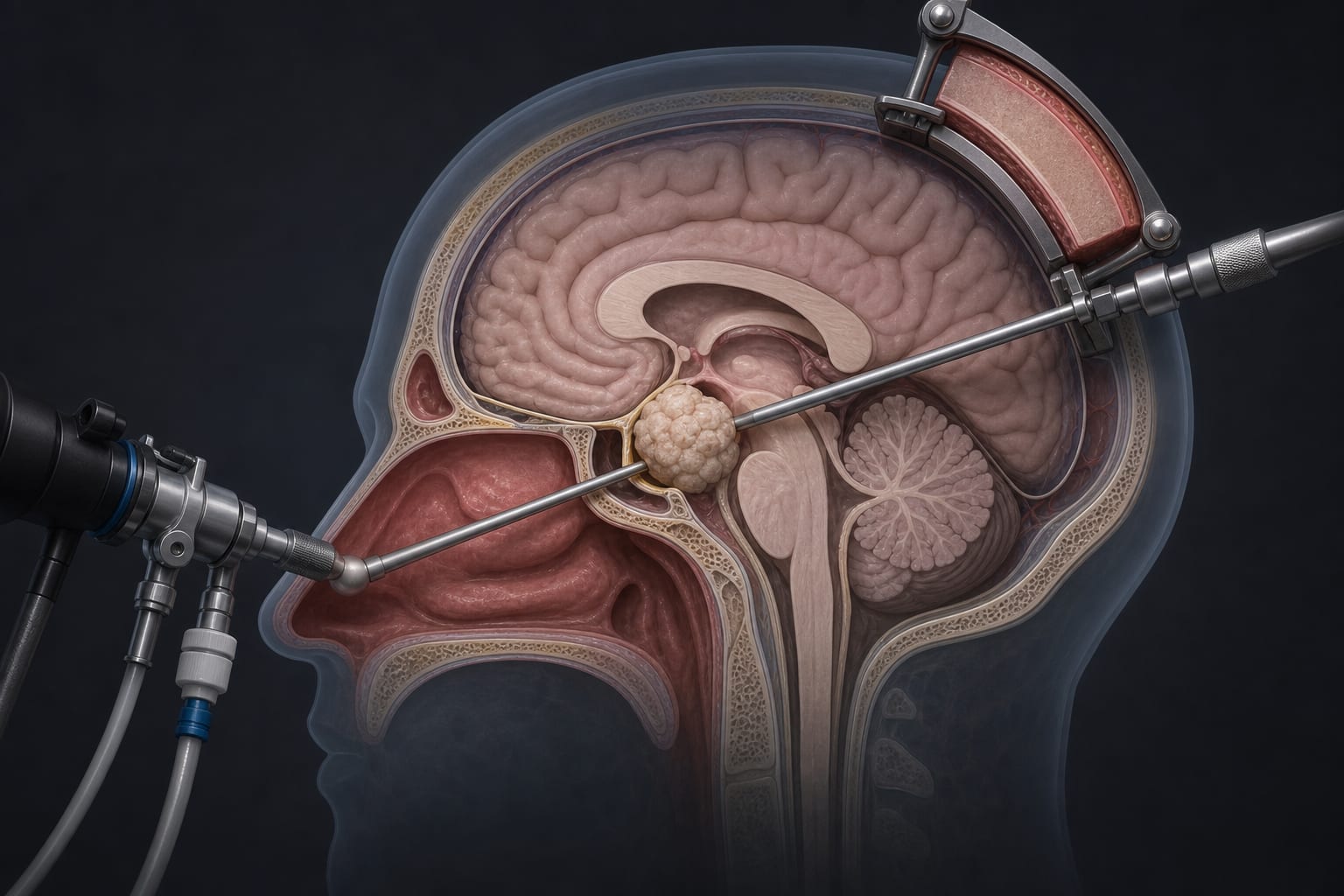
- Burr-hole craniotomy with drainage is the standard treatment; MMAE may be used as adjunctive or alternative therapy.
Monitoring & Follow-up
- Patients should be monitored for recurrence and treatment response.
Risks
- Recurrence rates of 10%-30% after standard surgical treatment.
Patient & Prescribing Data
Elderly patients with chronic subdural hematoma, often with comorbidities.
MMAE is emerging as a potential adjunctive treatment but requires further study to define its role.
Clinical Best Practices
- Consider MMAE for patients with recurrent CSDH not suitable for repeat surgery.
- Integrate clinical, imaging, and molecular data for personalized treatment approaches.
Related Resources & Content