Palliative Care Coaching for Family Caregivers of Patients With Advanced Cancer: A Randomized Clinical Trial
By
J. Nicholas Odom
Andres Azuero
Richard A. Taylor
Jennifer Young Pierce
Chelsea L. McGowen
Maria Pisu
Gabrielle Rocque
Rhiannon D. Reed
Rachel Wells
Shena Gazaway
Sarah Mollman
Grant R. Williams
Chao-Hui Sylvia Huang
Sally Engler
Marie A. Bakitas
June 23, 2026
Clinical Scorecard: Coaching in Palliative Care for Family Caregivers of Patients Facing Advanced Cancer: Results from a Randomized Clinical Study
At a Glance
Category Detail
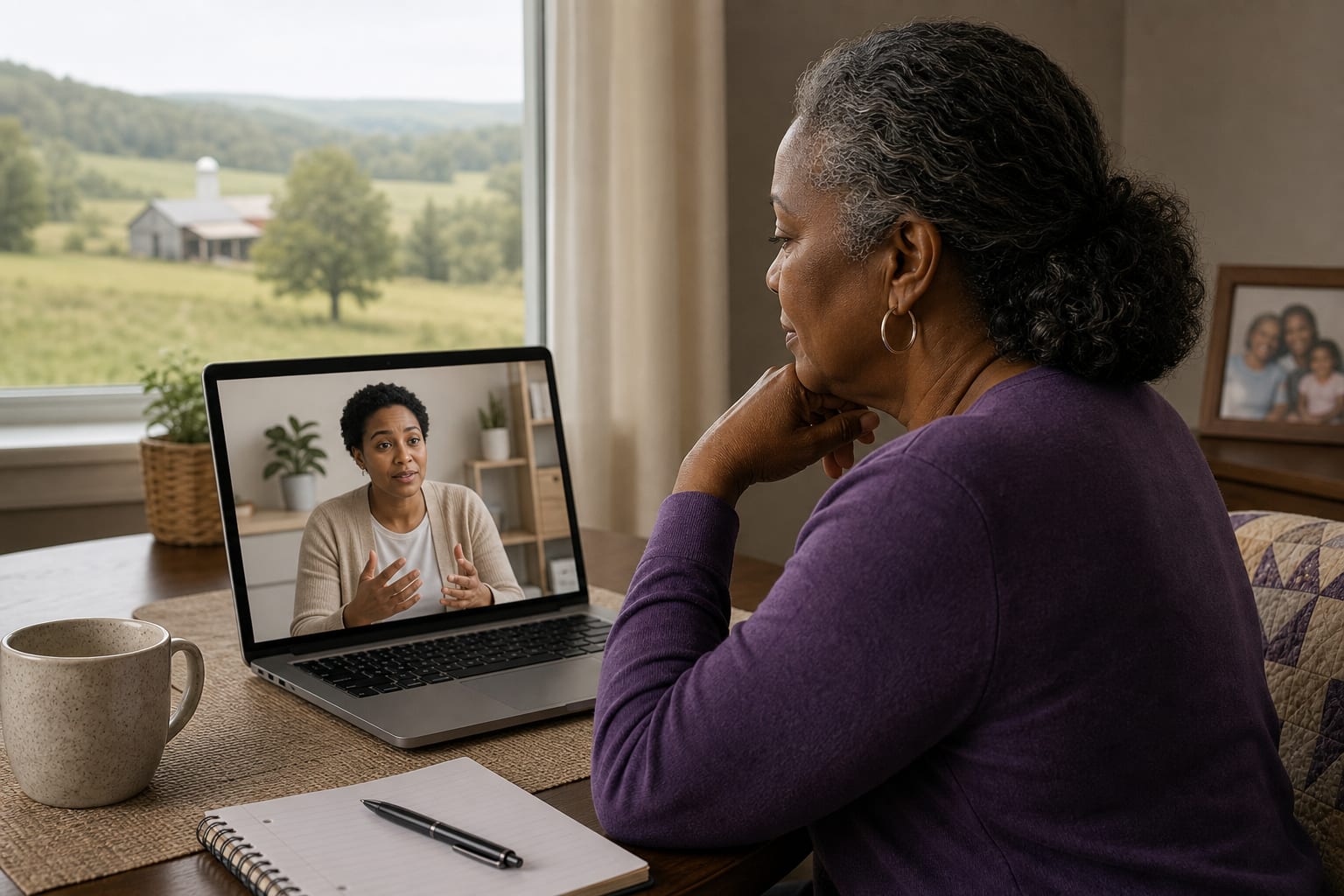
Condition Advanced Cancer Caregiving Key Mechanisms Lay coach-led telehealth intervention focusing on caregiver distress screening and psychoeducation. Target Population African American and rural-dwelling family caregivers of patients with newly diagnosed advanced cancer. Care Setting Outpatient oncology clinics
Key Highlights
Study assessed the effect of the ENABLE Cornerstone intervention on caregiver and patient outcomes. Participants included caregivers of patients with stage III or IV cancer. Intervention consisted of 6 brief sessions plus monthly follow-up. Caregivers faced high levels of burden impacting their caregiving. Research conducted at two cancer centers in Alabama. Guideline-Based Recommendations
Diagnosis
Caregivers must be identified as unpaid support providers for patients with newly diagnosed advanced cancer. Management
Implement telehealth interventions to support caregiver distress and coping strategies. Monitoring & Follow-up
Regular assessment of caregiver distress and quality of life. Risks
Barriers to care include geographic isolation and socioeconomic disadvantage. Patient & Prescribing Data
Patients with newly diagnosed stage III or IV cancer.
Caregivers can enroll without a participating patient, enhancing accessibility.
Clinical Best Practices
Utilize health coaching techniques to improve caregiver skills and decision-making. Conduct distress screening to identify caregiver needs. Provide resources and support tailored to the unique challenges faced by African American and rural caregivers. Related Resources & Content