A machine learning model for diabetic retinopathy risk stratification using routine blood and urine parameters: insights into kidney-eye crosstalk - Scorecard - MDSpire
Conexiant’s news site is now MDSpire News. Learn more
Advertisement
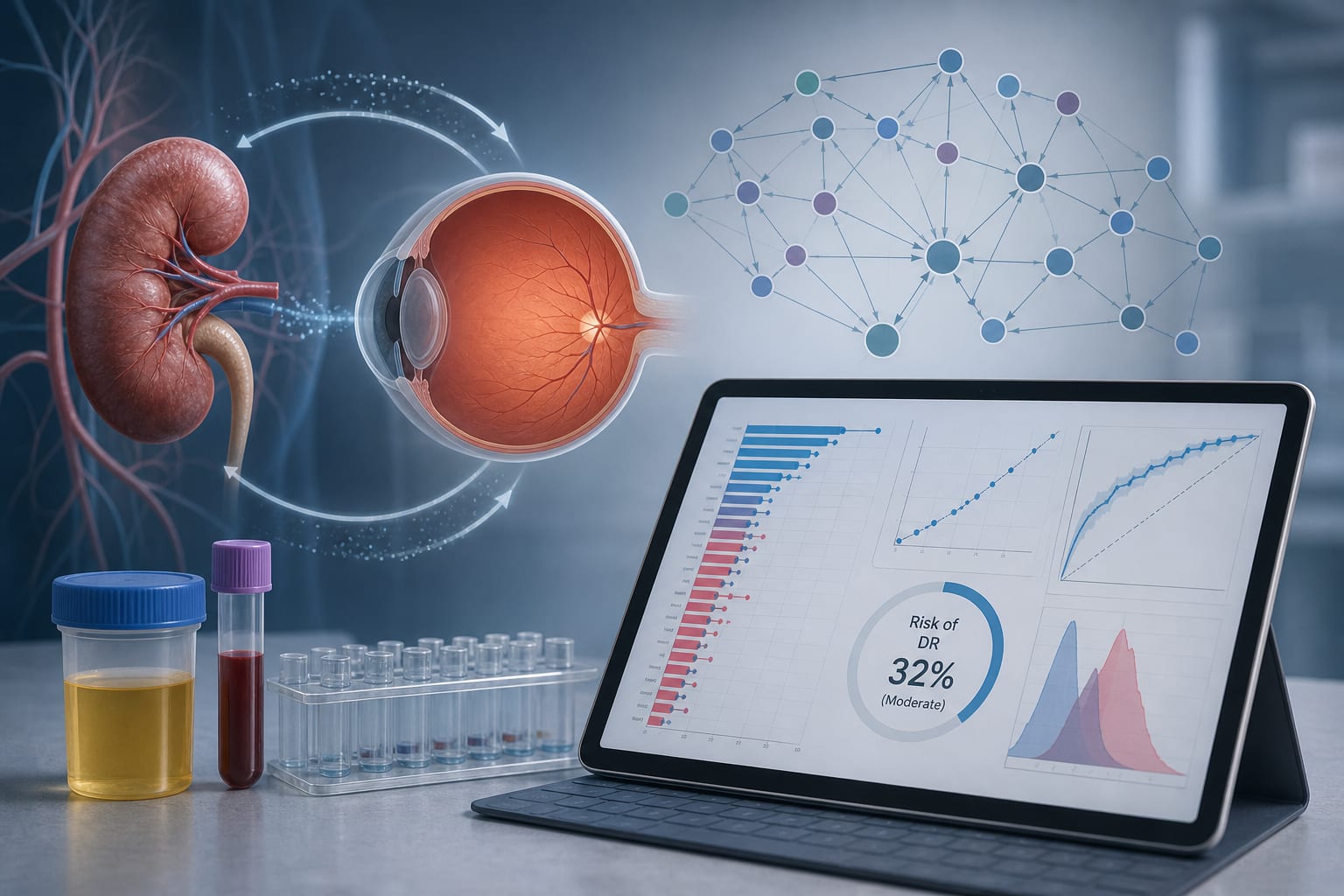
Development and External Validation of a Machine Learning Model for Assessing Diabetic Retinopathy Risk Utilizing Standard Blood and Urine Biomarkers: Exploring Kidney-Eye Interactions
Clinical Scorecard: Development and External Validation of a Machine Learning Model for Assessing Diabetic Retinopathy Risk Utilizing Standard Blood and Urine Biomarkers: Exploring Kidney-Eye Interactions
At a Glance
Category
Detail
Condition
Key Mechanisms
Chronic hyperglycemia-induced oxidative stress and inflammatory responses (source needed)
Target Population
Care Setting
Resource-constrained settings (source needed)
Key Highlights
Development of a machine learning model for DR risk stratification using routine clinical biomarkers
LightGBM algorithm achieved an AUC of 0.841 for external validation
Identification of 14 key predictors related to glycemic control, renal function, and lipid metabolism