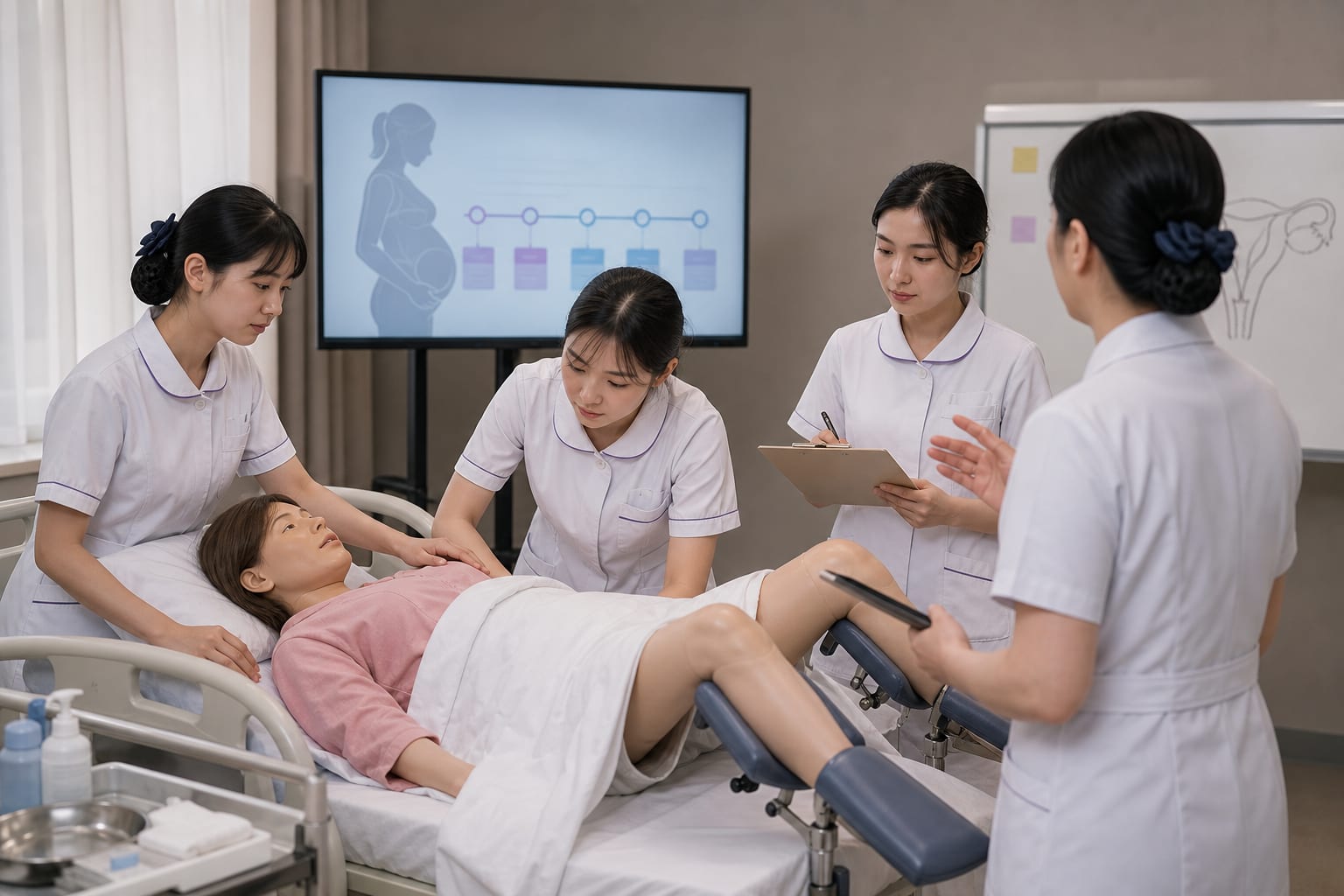
Effects of unfolding case-based simulation in obstetrics and gynecology internships on caring ability and caring behaviors: a quasi-experimental study - Scorecard - MDSpire
Clinical Scorecard: Impact of Unfolding Case-Based Simulation on Caring Skills and Behaviors in Obstetrics and Gynecology Internships: A Quasi-Experimental Analysis
At a Glance
Category
Detail
Condition
Obstetrics and Gynecology Nursing Education
Key Mechanisms
Unfolding case-based simulation integrated with conventional preceptorship
Target Population
Final-year undergraduate nursing interns
Care Setting
OBGYN ward of Shanghai Sixth People’s Hospital
Key Highlights
Intervention group showed significantly higher Caring Ability Inventory (CAI) and Caring Behaviors Inventory (CBI) scores than control group (P < 0.001)
Higher specialty assessment scores in intervention group (P < 0.001)
Increased overall teaching satisfaction in intervention group (P < 0.001)
Study conducted over a 4-week rotation with 106 nursing interns
Focus on integrating caring skills with specialty competence
Guideline-Based Recommendations
Diagnosis
Management
Incorporate unfolding case-based simulation into nursing education to enhance caring skills
Monitoring & Follow-up
Risks
Patient & Prescribing Data
Nursing interns in obstetrics and gynecology
Unfolding case-based simulation improves caring ability and behaviors
Clinical Best Practices
Utilize the CARE framework (Connect, Acknowledge, Restructure, Empower) in nursing education
Focus on both internal capacity for caring and observable caring behaviors
In a nationwide US cohort, parental subfecundity was associated with higher odds of autism spectrum disorder and modest increases in behavioral symptoms, while in vitro fertilization showed no statistically significant associations with neurodevelopmental outcomes.