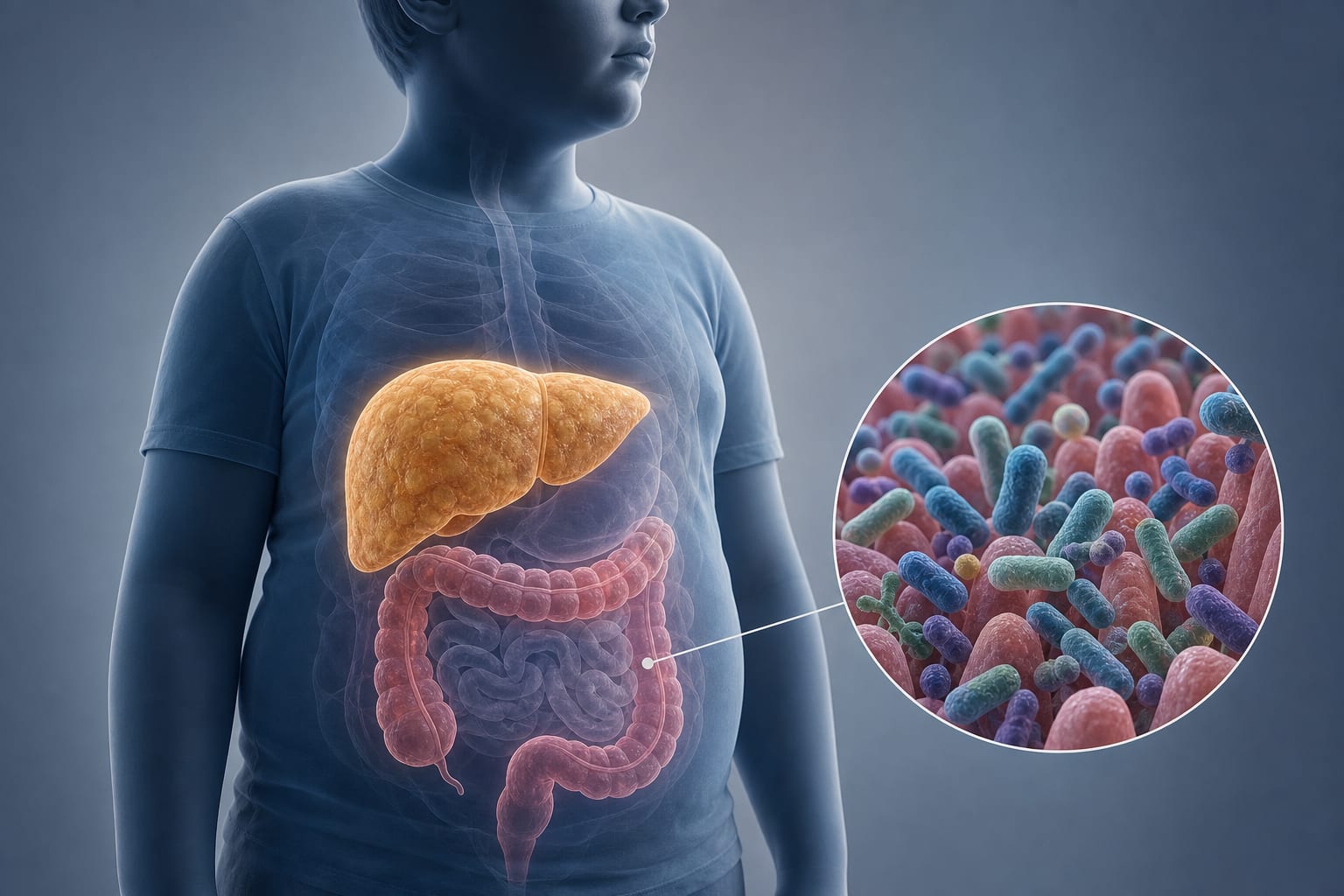
Mechanisms and Therapeutic Promise of Electroacupuncture for Non-Alcoholic Fatty Liver Disease
-
By
-
Yi Wang
-
Lai Zhang
-
April 24, 2026
-
Clinical Scorecard: Mechanisms and Therapeutic Promise of Electroacupuncture for Non-Alcoholic Fatty Liver Disease
At a Glance
| Category | Detail |
|---|
| Condition | Metabolic Dysfunction-Associated Steatotic Liver Disease (MASLD) |
| Key Mechanisms | Modulation of hepatic lipid metabolism, insulin signaling, inflammation, fibrosis, and autophagy via AMPK, SIRT1, PI3K/Akt, and NF-κB pathways. |
| Target Population | |
| Care Setting | |
Key Highlights
- NAFLD is the most prevalent chronic liver disorder globally, affecting approximately one-third of adults.
- Electroacupuncture shows promise as an adjunctive intervention for improving hepatic steatosis and metabolic parameters.
- No pharmacological therapies are currently approved specifically for NAFLD/MASLD.
- Lifestyle interventions remain the cornerstone of therapy, with a focus on weight loss and dietary modifications.
- Emerging pharmacological agents and novel therapeutic targets are under investigation, including resmetirom, the first FDA-approved agent for MASH.
Guideline-Based Recommendations
Diagnosis
- Diagnosis of MASLD should consider the spectrum from simple steatosis to steatohepatitis and cirrhosis.
Management
- Lifestyle modifications including dietary changes and weight loss are essential.
- Investigate pharmacological options such as insulin sensitizers, FDA-approved agents like resmetirom, and other emerging therapies.
Monitoring & Follow-up
- Regular assessment of liver function and metabolic parameters is recommended.
Risks
- Long-term adherence to lifestyle changes is often limited; inconsistent therapeutic outcomes for many agents.
Patient & Prescribing Data
Adults with NAFLD/MASLD, particularly those with metabolic dysfunction.
Electroacupuncture may provide a low-risk adjunctive treatment option with minimal side effects.
Clinical Best Practices
- Encourage sustained weight loss of 7%-10% to improve liver health.
- Consider electroacupuncture as a complementary therapy in managing NAFLD/MASLD.
- Emphasize the importance of regular monitoring of liver function and metabolic parameters.
References